రాజకీయాలు
తెలుగు రాష్ట్రాల సంక్షేమ రాజకీయాలు: రైతుబంధు నుంచి సూపర్ సిక్స్ వరకు
రెండు తెలుగు రాష్ట్రాలు నగదు బదిలీ పథకాల్లో ఎందుకు పోటీ పడుతున్నాయి, వాటి ఖర్చు ఎంత, సంక్షేమం vs అభివృద్ధి చర్చ.
తెలుగు రాష్ట్రాల ఎన్నికలు చూస్తే ఒక విషయం స్పష్టం — ప్రతి పార్టీ మేనిఫెస్టోలో సంక్షేమ పథకాలే కేంద్రబిందువు. రైతుబంధు, రైతు భరోసా, అమ్మఒడి, ఆరు గ్యారంటీలు, సూపర్ సిక్స్... పేర్లు మారుతున్నాయి కానీ నమూనా ఒకటే — ప్రజల ఖాతాల్లో నేరుగా డబ్బు. ఈ సంక్షేమ రాజకీయాల చరిత్ర, ప్రయోజనాలు, ప్రశ్నలు చూద్దాం.
చరిత్ర — రెండు రూపాయల బియ్యం నుంచి
తెలుగు నేలపై సంక్షేమ రాజకీయాలకు పునాది ఎన్టీఆర్ 1983లో తెచ్చిన "కిలో బియ్యం రెండు రూపాయలు" పథకం. 2004 తర్వాత వైఎస్ రాజశేఖరరెడ్డి ఆరోగ్యశ్రీ, ఫీజు రీయింబర్స్మెంట్, ఉచిత విద్యుత్ వంటి పథకాలతో దీన్ని కొత్త స్థాయికి తీసుకెళ్లారు. ఈ పథకాలు ఆయనకు 2009లో రెండోసారి విజయాన్ని అందించాయని భావిస్తారు.
తెలంగాణ నమూనా
• రైతుబంధు (2018): ఎకరానికి నిర్ణీత మొత్తం పెట్టుబడి సాయం — దేశంలో రైతులకు నేరుగా నగదు బదిలీ చేసే పెద్ద పథకాల్లో తొలి వాటిలో ఒకటి.
• దళితబంధు (2021): దళిత కుటుంబాలకు స్వయం ఉపాధి కోసం పెద్ద మొత్తంలో ఏకమొత్తం సాయం.
• కల్యాణలక్ష్మి, ఆసరా పింఛన్లు, కేసీఆర్ కిట్.
• 2023 నుంచి: కాంగ్రెస్ ఆరు గ్యారంటీలు — మహాలక్ష్మి (ఉచిత బస్సు), రైతు భరోసా, గృహజ్యోతి, ఇందిరమ్మ ఇళ్లు, చేయూత, యువ వికాసం.
ఆంధ్రప్రదేశ్ నమూనా
• 2019–2024: "నవరత్నాలు" — అమ్మఒడి (తల్లుల ఖాతాలో విద్యా సాయం), రైతు భరోసా, చేయూత, ఇళ్ల పట్టాలు. గ్రామ వలంటీర్ల ద్వారా ఇంటి వద్దకే పింఛన్లు.
• 2024 నుంచి: కూటమి ప్రభుత్వ "సూపర్ సిక్స్" హామీలు — విద్యార్థులకు తల్లికి వందనం, మహిళలకు ఉచిత బస్సు ప్రయాణం, ఉచిత గ్యాస్ సిలిండర్లు, రైతులకు పెట్టుబడి సాయం, మహిళలకు నెలవారీ ఆర్థిక సాయం, యువతకు ఉద్యోగాలు/నిరుద్యోగ భృతి వంటి హామీలు. పింఛన్ మొత్తాల పెంపు కూడా అమలైంది.
(ప్రతి పథకం మొత్తాలు, అర్హతలు ప్రభుత్వ ఉత్తర్వుల ప్రకారం మారుతుంటాయి — తాజా వివరాల కోసం అధికారిక వనరులు చూడండి.)
సంక్షేమానికి అనుకూల వాదనలు
1. పేదలకు భద్రతా వలయం: ఆరోగ్య ఖర్చులు, పంట నష్టం, విద్యా ఖర్చులు వంటి షాక్ల నుంచి పేద కుటుంబాలను కాపాడుతాయి.
2. మహిళా సాధికారత: చాలా పథకాల్లో డబ్బు మహిళల ఖాతాల్లోకే వెళ్తుంది — ఇంట్లో వారి నిర్ణయాధికారం పెరుగుతుంది.
3. డిమాండ్ పెరుగుదల: ప్రజల చేతిలో డబ్బు ఉంటే గ్రామీణ మార్కెట్లలో కొనుగోళ్లు పెరుగుతాయి.
4. అవినీతి తగ్గింపు: నేరుగా ఖాతాలోకి బదిలీ (డీబీటీ) వల్ల మధ్యవర్తుల పాత్ర తగ్గుతుంది.
5. మానవ వనరుల పెట్టుబడి: విద్య, ఆరోగ్య పథకాలు దీర్ఘకాలంలో ఉత్పాదకతను పెంచుతాయి.
విమర్శనాత్మక ప్రశ్నలు
1. ఆర్థిక భారం: రాష్ట్ర బడ్జెట్లో పెద్ద భాగం సంక్షేమానికే వెళ్తే రోడ్లు, ప్రాజెక్టులు, పరిశ్రమలు వంటి మూలధన వ్యయానికి నిధులు తగ్గుతాయి.
2. అప్పులు: హామీల అమలు కోసం రాష్ట్రాలు భారీగా రుణాలు తీసుకుంటే వడ్డీ భారం భవిష్యత్ తరాలపై పడుతుంది.
3. లక్ష్యం: సాగు చేయని భూస్వాములకు రైతుబంధు, అర్హత లేనివారికి పథకాలు అందడం వంటి లీకేజీలు.
4. పోటీ వాగ్దానాలు: ఎన్నికల్లో ఒక పార్టీని మించి మరో పార్టీ హామీలు ఇవ్వడం ఆర్థిక క్రమశిక్షణను దెబ్బతీస్తుందని ఆర్థికవేత్తలు, రిజర్వ్ బ్యాంక్ కూడా హెచ్చరించాయి.
5. ఉద్యోగాలు vs నగదు: యువతకు శాశ్వత ఉపాధి కల్పించడం కంటే నెలవారీ సాయం సులువైన మార్గం కావడం.
సమతుల్యం ఎక్కడ?
నిపుణులు సూచించే మధ్యేమార్గం: సంక్షేమం అవసరమే, కానీ అది లక్ష్యంగా (నిజమైన అర్హులకే), పారదర్శకంగా, ఆర్థికంగా స్థిరంగా ఉండాలి. విద్య, ఆరోగ్యం, నైపుణ్య శిక్షణ వంటి "అవకాశాలను పెంచే" పథకాలకు, కేవలం నగదు ఇచ్చే పథకాలకు మధ్య సమతుల్యం ఉండాలి.
ముగింపు
సంక్షేమ పథకాలు తెలుగు రాజకీయాల్లో శాశ్వత భాగమయ్యాయి. ఓటరుగా మనం అడగాల్సిన ప్రశ్న — "ఈ హామీకి డబ్బు ఎక్కడి నుంచి వస్తుంది? దీని వల్ల మన పిల్లల భవిష్యత్తు బాగుపడుతుందా?" అప్పుడే సంక్షేమం, అభివృద్ధి రెండూ సాధ్యమవుతాయి.
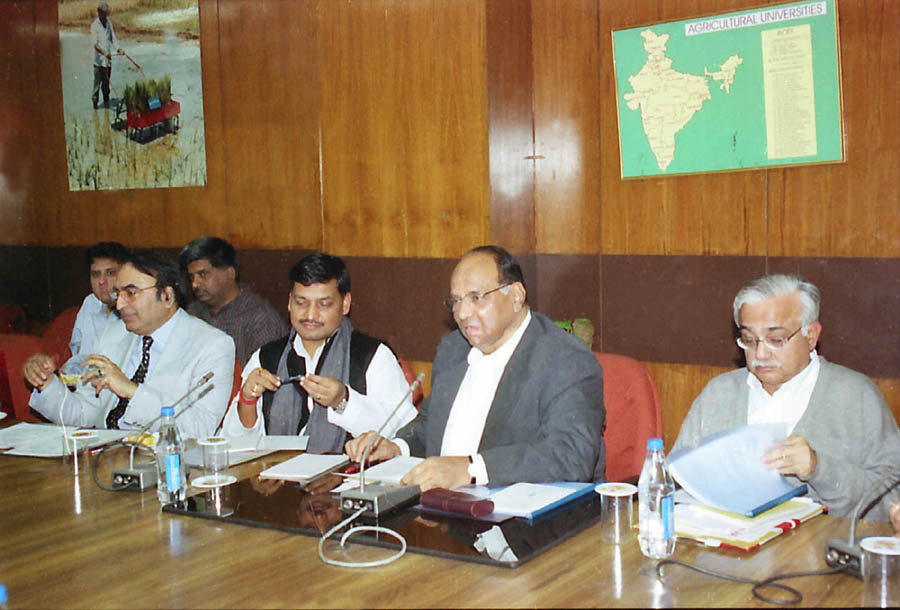
ఫోటో: Government of India / Wikimedia Commons (GODL-India)
Welfare politics in the Telugu states: From Rythu Bandhu to Super Six
Looking at the Telugu state elections, one thing is clear — welfare schemes are the focal point in every party's manifesto. Rythu Bandhu, Rythu Bharosa, Amma Vodi, Aaru Guarantee, Super Six... The names are changing but the pattern is the same — money directly into people's accounts. Let's look at the history, benefits, and questions of this welfare politics.
History — From two rupees of rice
The foundation of welfare politics in Telugu soil was the "Rs. 2 per kilo of rice" scheme introduced by NTR in 1983. After 2004, YS Rajasekhara Reddy took it to a new level with schemes like Arogyasri, fee reimbursement, and free electricity. These schemes are believed to have given him a second term in 2009.
Telangana model
• Rythu Bandhu (2018): Fixed amount of investment assistance per acre — one of the first large-scale schemes in the country to directly transfer cash to farmers.
• Dalitabandhu (2021): Large lump sum assistance for self-employment to Dalit families.
• Kalyanalakshmi, Aasara pensions, KCR kit.
• From 2023: Congress' six guarantees — Mahalakshmi (free bus), Rythu Bharosa, Gruha Jyoti, Indiramma Mananu, Cheyutha, Yuva Vikasam.
Andhra Pradesh Model
• 2019–2024: "Navaratnalu" — Amma Vodi (educational assistance in mothers' accounts), Rythu Bharosa, Cheyuta, house titles. Pensions delivered to the doorsteps through village volunteers.
• From 2024: The coalition government's "Super Six" promises — Salute to Mother for students, free bus travel for women, free gas cylinders, investment assistance for farmers, monthly financial assistance for women, jobs/unemployment allowance for youth, etc. The increase in pension amounts has also been implemented.
(Amounts and eligibility for each scheme vary according to government orders — see official sources for the latest details.)
Arguments in favor of welfare
1. Safety net for the poor: Protects poor families from shocks such as health costs, crop losses, and education costs.
2. Women's empowerment: In many schemes, money goes directly into women's accounts — increasing their decision-making power at home.
3. Increase in demand: If people have money in their hands, purchases in rural markets will increase.
4. Reduction of corruption: Direct debit transfer (DBT) reduces the role of middlemen.
5. Investment in human resources: Education and health schemes increase productivity in the long run.
Critical questions
1. Financial burden: If a large portion of the state budget goes to welfare, funds for capital expenditure such as roads, projects, and industries will decrease.
2. Debts: If states borrow heavily to implement guarantees, the interest burden will fall on future generations.
3. Objective: Leakages such as Rythu Bandhu to non-cultivating landowners and schemes being provided to those who are not eligible.
4. Competing promises: Economists and even the Reserve Bank have warned that making promises by one party over another in elections can undermine fiscal discipline.
5. Jobs vs. Cash: Monthly assistance is an easier way to provide youth with permanent employment.
Where is the balance?
Experts suggest a middle ground: Welfare is necessary, but it must be targeted (for the truly deserving), transparent, and financially sustainable. There must be a balance between "opportunity-enhancing" programs like education, health, and skills training, and cash-only programs.
Conclusion
Welfare schemes have become a permanent part of Telugu politics. The question we as voters should ask is — "Where will the money come from for this guarantee? Will this improve the future of our children?" Only then will both welfare and development be possible.
Photo: Government of India / Wikimedia Commons (GODL-India)