
తెలంగాణ
నగర ఇళ్లలో నీటి పొదుపు: బిల్లు తగ్గించే 15 సులువైన అలవాట్లు
కారుతున్న ఒక్క కుళాయి ఏడాదికి వేలాది లీటర్లు వృథా చేస్తుంది. హైదరాబాద్ కుటుంబాలు, అపార్ట్మెంట్లు రోజూ తక్కువ నీరు వాడేందుకు ఆచరణాత్మక, తక్కువ ఖర్చు మార్గాలు.
వేసవిలో హైదరాబాద్లో చాలా అపార్ట్మెంట్లు రోజూ ట్యాంకర్లపై ఆధారపడతాయి. ట్యాంకర్ ధరలు పెరుగుతుంటాయి, బోర్లు ఎండిపోతుంటాయి. కానీ మన రోజువారీ అలవాట్లలో చిన్న మార్పులతోనే ఒక కుటుంబం నీటి వినియోగాన్ని గణనీయంగా తగ్గించవచ్చు. ఆచరణాత్మక చిట్కాలు ఇవి.
బాత్రూమ్లో (ఇంటి నీటిలో అత్యధిక భాగం ఇక్కడే)
1. కారుతున్న కుళాయిలు సరిచేయండి: సెకనుకు ఒక చుక్క కారుతున్న కుళాయి ఏడాదికి వేలాది లీటర్లు వృథా చేస్తుంది. వాషర్ మార్చడానికి కొన్ని రూపాయలే ఖర్చు.
2. టాయిలెట్ లీక్ పరీక్ష: ఫ్లష్ ట్యాంకులో కొన్ని చుక్కల రంగు (లేదా పసుపు) వేసి, ఫ్లష్ చేయకుండా అరగంట ఆగండి. కమోడ్లో రంగు కనిపిస్తే లీక్ ఉన్నట్లే.
3. డ్యూయల్ ఫ్లష్: చిన్న బటన్, పెద్ద బటన్ ఉన్న ఫ్లష్ వ్యవస్థకు మారండి. పాత ట్యాంకులో నీటితో నింపిన ఒక సీసా పెడితే ప్రతి ఫ్లష్కు కొంత నీరు ఆదా.
4. షవర్ బదులు బకెట్: షవర్ కింద పది నిమిషాలు అంటే చాలా ఎక్కువ నీరు; ఒక బకెట్ స్నానం అందులో చాలా తక్కువ.
5. బ్రష్ చేసేటప్పుడు కుళాయి ఆపండి: మగ్గులో నీరు పట్టుకుని వాడండి. షేవింగ్కు కూడా అంతే.
6. ఏరేటర్లు: కుళాయి మూతికి అమర్చే చిన్న "ఏరేటర్" నీటిలో గాలి కలిపి ప్రవాహాన్ని తగ్గిస్తుంది — ఒత్తిడి తగ్గినట్లు అనిపించదు. తక్కువ ఖర్చుతో దొరుకుతాయి.
వంటింట్లో
7. కూరగాయలు గిన్నెలో కడగండి: కుళాయి కింద నేరుగా కడిగే బదులు గిన్నెలో నీరు పోసి కడగండి. ఆ నీటిని మొక్కలకు పోయండి.
8. బియ్యం కడిగిన నీరు: మొక్కలకు ఎరువుగా పనిచేస్తుంది — పారబోయకండి.
9. గిన్నెలు తోమేటప్పుడు: ముందు అన్ని గిన్నెలకు సబ్బు పట్టించి, తర్వాత ఒకేసారి కడగండి. కుళాయి నిరంతరం తెరిచి ఉంచకండి.
10. ఆర్ఓ వ్యర్థ నీరు: ఆర్ఓ ప్యూరిఫైయర్ శుద్ధి చేసే ప్రతి లీటర్కు కొంత నీరు వ్యర్థంగా బయటకు వస్తుంది. ఆ నీటిని బకెట్లో పట్టి ఇల్లు తుడవడానికి, టాయిలెట్ ఫ్లష్కు, వాహనాలు కడగడానికి వాడండి. (మీ నీటిలో టీడీఎస్ తక్కువగా ఉంటే — మున్సిపల్ నీటిలో సాధారణంగా తక్కువే — ఆర్ఓ అవసరమా అని నిపుణులను అడగండి.)
బట్టలు, వాహనాలు, తోట
11. వాషింగ్ మెషీన్ పూర్తి లోడ్తో: సగం బట్టలతో మెషీన్ నడపకండి. చివరి రిన్స్ నీటిని బకెట్లో పట్టి వాడుకోవచ్చు.
12. వాహనం బకెట్తో కడగండి: పైపుతో కడిగితే చాలా ఎక్కువ నీరు; బకెట్, తడిగుడ్డతో అందులో కొంత భాగం సరిపోతుంది.
13. మొక్కలకు ఉదయం లేదా సాయంత్రం: మధ్యాహ్నం ఎండలో పోసిన నీరు ఆవిరైపోతుంది. మొక్కల మొదళ్లలో ఎండుటాకులు (మల్చింగ్) వేస్తే తేమ నిలుస్తుంది.
అపార్ట్మెంట్ స్థాయిలో
14. ప్రతి ఫ్లాట్కు నీటి మీటర్: ఎవరు ఎంత వాడుతున్నారో తెలిస్తే సహజంగానే పొదుపు పెరుగుతుంది. సమానంగా బిల్లు పంచే పద్ధతిలో ఎక్కువ వాడేవారికి ఎలాంటి ఒత్తిడి ఉండదు.
15. ఇంకుడు గుంత, మురుగునీటి పునర్వినియోగం: వర్షపు నీటిని భూమిలోకి ఇంకించే ఇంకుడు గుంతలు, పెద్ద అపార్ట్మెంట్లలో మురుగునీటి శుద్ధి కేంద్రం (ఎస్టీపీ) ద్వారా శుద్ధి చేసిన నీటిని తోటలకు, ఫ్లష్లకు వాడటం.
ట్యాంక్ ఓవర్ఫ్లో — రోజువారీ వృథా
మేడపై ట్యాంకు నిండి నీరు పొర్లిపోవడం చాలా ఇళ్లలో రోజూ జరుగుతుంది. తక్కువ ఖర్చుతో దొరికే "ఆటోమేటిక్ వాటర్ లెవెల్ కంట్రోలర్" ట్యాంకు నిండగానే మోటార్ ఆపేస్తుంది — నీటితో పాటు విద్యుత్ కూడా ఆదా.
పిల్లలకు నేర్పండి
నీటి విలువ పిల్లలకు చిన్నప్పటి నుంచే నేర్పితే జీవితాంతం అలవాటవుతుంది. ఇంట్లో "నీటి పొదుపు చాంపియన్" ఆట పెట్టండి — ఎవరు ఎక్కువ ఆదా చేస్తే వారికి బహుమతి.
ముగింపు
ప్రతి చుక్కా విలువైనదే. నీటి సమస్యకు ప్రభుత్వ ప్రాజెక్టులే కాదు, మన ఇంటి కుళాయి కూడా పరిష్కారంలో భాగం. ఈ 15 అలవాట్లలో కనీసం ఐదింటిని ఈ వారమే మొదలుపెట్టండి — మీ నీటి బిల్లు, ట్యాంకర్ ఖర్చు రెండూ తగ్గుతాయి.
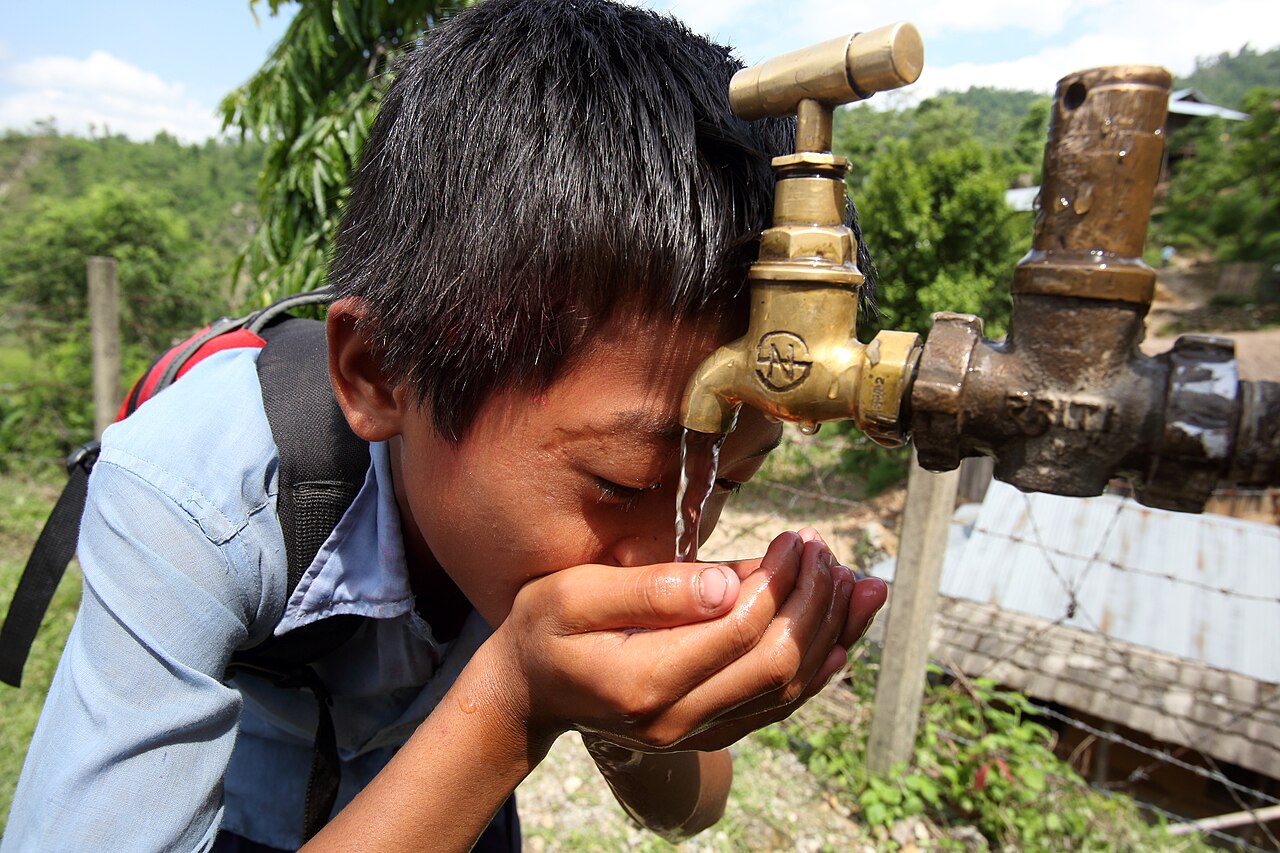
ఫోటో: AusAID/Jim Holmes / Wikimedia Commons (CC BY 2.0)
Water-saving tips for city homes: 15 simple habits that cut your bill
Many apartments in Hyderabad rely on tankers every day during the summer. Tanker prices rise and boreholes dry up. But with just a few small changes in our daily habits, a family can significantly reduce their water consumption. Here are some practical tips.
In the bathroom (this is where most of the water in the house is stored)
1. Fix leaky faucets: A leaky faucet, one drop per second, wastes thousands of liters per year. Replacing a washer costs just a few rupees.
2. Toilet leak test: Add a few drops of dye (or yellow) to the flush tank and wait half an hour without flushing. If the color appears in the commode, there is a leak.
3. Dual flush: Switch to a flush system with a small button and a large button. Putting a bottle filled with water in the old tank will save some water with each flush.
4. Bucket instead of shower: Ten minutes under the shower is a lot of water; a bucket bath is a lot less.
5. Turn off the tap while brushing your teeth: Use a mug to hold water. Same goes for shaving.
6. Aerators: A small "aerator" that fits over the faucet spout adds air to the water, reducing the flow — without feeling like there's a drop in pressure. They're available at a low cost.
In the kitchen
7. Wash vegetables in a bowl: Instead of washing them directly under the tap, wash them in a bowl of water. Pour that water on the plants.
8. Rice washing water: acts as fertilizer for plants — don't throw it away.
9. When washing dishes: First, soap all the dishes and then wash them all at once. Do not leave the tap running continuously.
10. RO Waste Water: For every liter of water purified by an RO purifier, some water comes out as waste. Collect that water in a bucket and use it for cleaning the house, flushing toilets, and washing vehicles. (If your water has low TDS — which municipal water usually does — ask an expert if RO is necessary.)
Clothes, vehicles, garden
11. Washing machine with full load: Do not run the machine with half loads of clothes. You can use the final rinse water by collecting it in a bucket.
12. Wash the vehicle with a bucket: Washing with a hose uses too much water; a bucket and a damp cloth will use only a small amount.
13. Water plants in the morning or evening: Water poured in the afternoon sun evaporates. Mulching the tops of the plants will help retain moisture.
At the apartment level
14. Water meter for each flat: Knowing who is using how much will naturally increase savings. With an equal bill sharing system, there is no pressure on those who use more.
15. Infiltration cisterns and wastewater reuse: Infiltration cisterns that infuse rainwater into the ground, and using treated water from a sewage treatment plant (STP) in large apartments for gardens and flushing.
Tank overflow — daily waste
Overflowing water from a tank on the roof is a common occurrence in many homes. An inexpensive "automatic water level controller" will shut off the motor when the tank is full — saving water and electricity.
Teach children
Teaching children the value of water from a young age will make it a lifelong habit. Play a "Water Saving Champion" game at home — get a prize for whoever saves the most.
Conclusion
Every penny counts. Not only government projects, but our own taps are also part of the solution to the water problem. Start at least five of these 15 habits this week — both your water bill and tanker costs will decrease.
Photo: AusAID/Jim Holmes / Wikimedia Commons (CC BY 2.0)