
విద్య
తెలుగు భాష: చరిత్ర, ప్రాచీన హోదా, భవిష్యత్తు
నన్నయ మహాభారతం నుంచి గిడుగు వ్యావహారిక భాషోద్యమం వరకు, "ఇటాలియన్ ఆఫ్ ది ఈస్ట్", ఇంగ్లీష్ ప్రధాన ప్రపంచంలో తెలుగు ముందున్న సవాళ్లు.
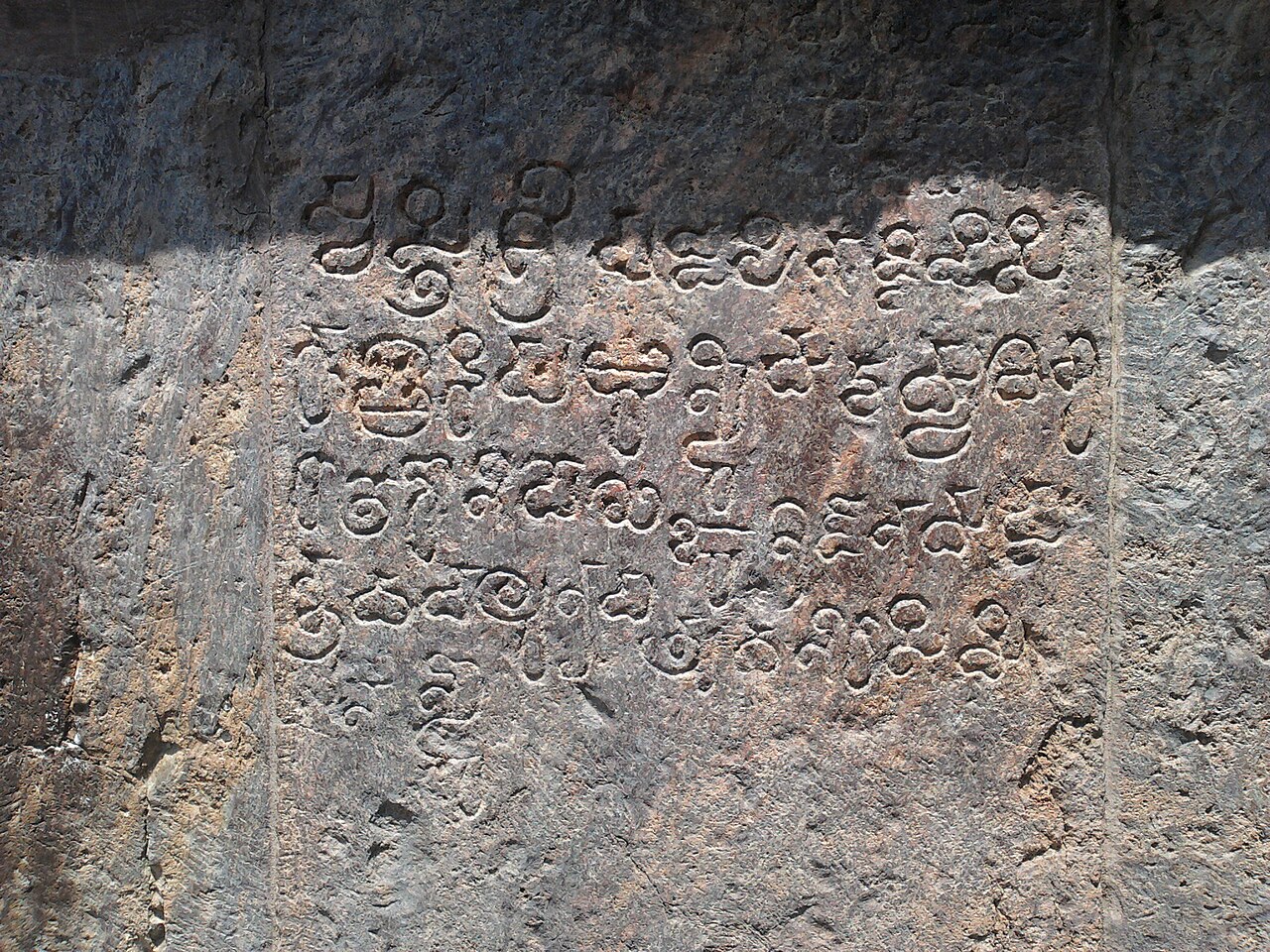
"దేశ భాషలందు తెలుగు లెస్స" — విజయనగర సామ్రాట్ శ్రీకృష్ణదేవరాయలు చెప్పిన మాట ఇది. దేశంలో అత్యధికులు మాట్లాడే భాషల్లో తెలుగు ఒకటి. 2011 జనగణన ప్రకారం భారత్లో ఎక్కువ మంది మాట్లాడే భాషల్లో తెలుగుది నాలుగో స్థానం. ఈ సుందరమైన భాష ప్రయాణం, దాని భవిష్యత్తు గురించి తెలుసుకుందాం.
ద్రావిడ భాషా కుటుంబం
తెలుగు ద్రావిడ భాషా కుటుంబానికి చెందినది — తమిళం, కన్నడ, మలయాళం దాని సోదర భాషలు. అయితే శతాబ్దాలుగా సంస్కృతంతో సంబంధం వల్ల తెలుగులో సంస్కృత పదాలు ఎక్కువగా కలిశాయి. తెలుగు లిపి, కన్నడ లిపి రెండూ ఒకే మూలం నుంచి వచ్చాయి.
శాసనాల నుంచి సాహిత్యం వరకు
క్రీస్తు శకం తొలి శతాబ్దాల నుంచే తెలుగు పదాలు శాసనాల్లో కనిపిస్తాయి. పూర్తి తెలుగు శాసనాలు ఆరో–ఏడో శతాబ్దాల నుంచి లభిస్తున్నాయి. తెలుగు సాహిత్యానికి "ఆదికవి"గా పేరొందిన నన్నయ 11వ శతాబ్దంలో రాజరాజనరేంద్రుని ఆస్థానంలో మహాభారతాన్ని తెలుగులోకి అనువదించడం ప్రారంభించారు. తర్వాత తిక్కన, ఎర్రన ఆ కృషిని పూర్తి చేశారు — ఈ ముగ్గురినీ "కవిత్రయం" అంటారు.
స్వర్ణయుగం
• పోతన: "భాగవతం"తో భక్తి కవిత్వానికి శిఖరం.
• అన్నమయ్య: తిరుమల వేంకటేశ్వరునిపై వేలాది సంకీర్తనలు.
• శ్రీకృష్ణదేవరాయలు, అష్టదిగ్గజాలు: 16వ శతాబ్దం విజయనగర ఆస్థానం తెలుగు ప్రబంధ సాహిత్యానికి స్వర్ణయుగం. రాయలు స్వయంగా "ఆముక్తమాల్యద" రచించారు.
• వేమన: సామాన్యుల భాషలో సామాజిక విమర్శ చేసిన పద్యాలు.
• త్యాగరాజు: కర్ణాటక సంగీతంలో అమూల్యమైన తెలుగు కృతులు.
"ఇటాలియన్ ఆఫ్ ది ఈస్ట్"
తెలుగులో దాదాపు ప్రతి పదం అచ్చుతో ముగుస్తుంది — ఇటాలియన్ భాషలాగే. అందుకే తెలుగు వినడానికి సంగీతంలా ఉంటుందని 15వ శతాబ్దంలో భారత్కు వచ్చిన ఒక ఇటాలియన్ యాత్రికుడు వర్ణించినట్లు చెబుతారు. అప్పటి నుంచి తెలుగును "తూర్పు ఇటాలియన్" అని పిలుస్తారు. కర్ణాటక సంగీతంలో తెలుగు కృతులు ఎక్కువగా ఉండటానికి ఈ సంగీత గుణం ఒక కారణం.
ఆధునిక యుగం — గిడుగు ఉద్యమం
19వ శతాబ్దం వరకు రచనలన్నీ గ్రాంథిక (పుస్తక) భాషలో ఉండేవి — సామాన్యులకు అర్థం కావడం కష్టం. గిడుగు వెంకట రామమూర్తి ప్రజలు మాట్లాడే "వ్యావహారిక భాష"లోనే చదువు, రచనలు ఉండాలని ఉద్యమించారు. కందుకూరి వీరేశలింగం, గురజాడ అప్పారావు వంటి సంస్కర్తలు ఆధునిక తెలుగు సాహిత్యానికి పునాది వేశారు. గురజాడ "కన్యాశుల్కం" వ్యావహారిక భాషలో వచ్చిన గొప్ప నాటకం. గిడుగు జయంతి ఆగస్టు 29ను "తెలుగు భాషా దినోత్సవం"గా జరుపుకుంటాం. బ్రిటిష్ అధికారి సి.పి. బ్రౌన్ తెలుగు నిఘంటువు, వేమన పద్యాల సేకరణ ద్వారా భాషకు చేసిన సేవ కూడా చిరస్మరణీయం.
ప్రాచీన భాష హోదా
2008లో కేంద్ర ప్రభుత్వం తెలుగుకు "ప్రాచీన భాష" (క్లాసికల్ లాంగ్వేజ్) హోదా ఇచ్చింది. దీని ద్వారా తెలుగు పరిశోధనకు ప్రత్యేక నిధులు, అధ్యయన కేంద్రాలు, పురస్కారాలు అందుతాయి.
ప్రపంచవ్యాప్తంగా తెలుగు
తెలుగు రాష్ట్రాలతో పాటు తమిళనాడు, కర్ణాటక, మహారాష్ట్ర, ఒడిశాల్లో తెలుగువారు గణనీయంగా ఉన్నారు. అమెరికాలో వేగంగా పెరుగుతున్న విదేశీ భాషల్లో తెలుగు ఒకటి. గల్ఫ్ దేశాలు, మలేషియా, మారిషస్, దక్షిణాఫ్రికాల్లో కూడా తెలుగు సమాజాలు ఉన్నాయి.
సవాళ్లు
• ఇంగ్లీష్ మీడియం చదువుల వల్ల చాలామంది పిల్లలు తెలుగు చదవడం, రాయడం సరిగా నేర్చుకోవడం లేదు.
• ఉద్యోగ మార్కెట్లో ఇంగ్లీష్కు ప్రాధాన్యం, తెలుగుకు ఆర్థిక విలువ తక్కువనే భావన.
• ఇంగ్లీష్ పదాలు విపరీతంగా కలిసిపోవడం.
• శాస్త్ర, సాంకేతిక విషయాల్లో నాణ్యమైన తెలుగు పుస్తకాల కొరత.
మనం ఏం చేయగలం?
పిల్లలకు ఇంట్లో తెలుగులో కథలు చెప్పండి, తెలుగు పుస్తకాలు చదివించండి. ఇంటర్నెట్లో తెలుగులో రాయండి — వికీపీడియా, బ్లాగులు, సోషల్ మీడియా. ఏఐ యుగంలో ఇంటర్నెట్లో ఉన్న తెలుగు కంటెంట్ ఎంత ఎక్కువైతే, సాంకేతికతలో తెలుగు అంత బలంగా నిలుస్తుంది.
ముగింపు
వెయ్యేళ్ల సాహిత్య సంపద ఉన్న తెలుగు మన గుర్తింపు, మన వారసత్వం. ఇంగ్లీష్ నేర్చుకోవడం అవసరమే — కానీ మాతృభాషను మరవకుండా. "తెలుగు వెలుగు" తరతరాలకు కొనసాగాలంటే ఆ బాధ్యత మనదే.
ఫోటో: Vrpothina / Wikimedia Commons (CC BY-SA 4.0)
The Telugu language: Its history, classical status and future
"Telugu is the least of the languages of the country" — This is what Vijayanagara Emperor Sri Krishnadevaraya said. Telugu is one of the most widely spoken languages in the country. According to the 2011 census, Telugu is the fourth most widely spoken language in India. Let's learn about the journey of this beautiful language and its future.
Dravidian language family
Telugu belongs to the Dravidian language family — Tamil, Kannada, and Malayalam are its sister languages. However, due to centuries of contact with Sanskrit, Telugu has largely absorbed Sanskrit words. Both the Telugu script and the Kannada script come from the same root.
From inscriptions to literature
Telugu words appear in inscriptions from the first centuries of the Christian era. Complete Telugu inscriptions are available from the sixth and seventh centuries. Nannaya, known as the "original poet" of Telugu literature, began translating the Mahabharata into Telugu in the 11th century at the court of Rajarajanarendra. Later, Tikkana and Errana completed the work — all three of these are called "Kavithrayam".
Golden Age
• Potana: The pinnacle of devotional poetry with "Bhagavatam".
• Annamayya: Thousands of Sankirtans on Lord Venkateswara of Tirumala.
• Sri Krishnadevaraya, Ashtadiggaja: The 16th century Vijayanagara court was the golden age of Telugu Prabandha literature. The Rayas themselves wrote "Aamuktamalayada".
• Vemana: Poems of social criticism in the language of the common man.
• Thyagaraju: Priceless Telugu works in Carnatic music.
"Italian of the East"
Almost every word in Telugu ends with a vowel — just like Italian. That is why an Italian traveler who came to India in the 15th century is said to have described Telugu as being like music to listen to. Since then, Telugu has been called the "Italian of the East". This musical quality is one of the reasons why Telugu compositions are so prevalent in Carnatic music.
Modern era — Gidugu movement
Until the 19th century, all writings were in the Granthik (book) language — difficult for the common man to understand. Gidugu Venkata Ramamurthy campaigned for education and writing to be done in the "practical language" spoken by the people. Reformers like Kandukuri Veeresalingam and Gurajada Apparao laid the foundation for modern Telugu literature. Gurajada's "Kanyasulkam" is a great play in the practical language. Gidugu Jayanti is celebrated on August 29 as "Telugu Language Day". The service rendered to the language by British officer C.P. Brown through the Telugu dictionary and the collection of Vemana poems is also memorable.
Ancient language status
In 2008, the central government granted Telugu the status of "classical language". This will provide special funding, study centers, and awards for Telugu research.
Telugu around the world
Telugu people are also present in significant numbers in the Telugu states of Tamil Nadu, Karnataka, Maharashtra and Odisha. Telugu is one of the fastest growing foreign languages in America. There are also Telugu communities in the Gulf countries, Malaysia, Mauritius and South Africa.
Challenges
• Due to English medium education, many children are not learning to read and write Telugu properly.
• There is a perception that English is preferred in the job market and Telugu has less economic value.
• Excessive mixing of English words.
• Lack of quality Telugu books on science and technology subjects.
What can we do?
Tell stories in Telugu to your children at home, read Telugu books. Write in Telugu on the internet — Wikipedia, blogs, social media. In the AI era, the more Telugu content there is on the internet, the stronger Telugu will stand in technology.
Conclusion
Telugu, with its thousand-year-old literary heritage, is our identity and our heritage. Learning English is necessary — but without forgetting our mother tongue. It is our responsibility to continue the "Telugu light" for generations.
Photo: Vrpothina / Wikimedia Commons (CC BY-SA 4.0)