
విద్య
ఉస్మానియా విశ్వవిద్యాలయం: తెలంగాణ చరిత్రను విద్యార్థులు ఎలా మలిచారు?
1918లో స్థాపించిన ఉస్మానియా ఆర్ట్స్ కాలేజీ మెట్లు 1969, 2009–14 ఉద్యమాలకు గుండెకాయగా మారాయి. విద్య, విద్యార్థి ఉద్యమాల శతాబ్ద ప్రస్థానం.
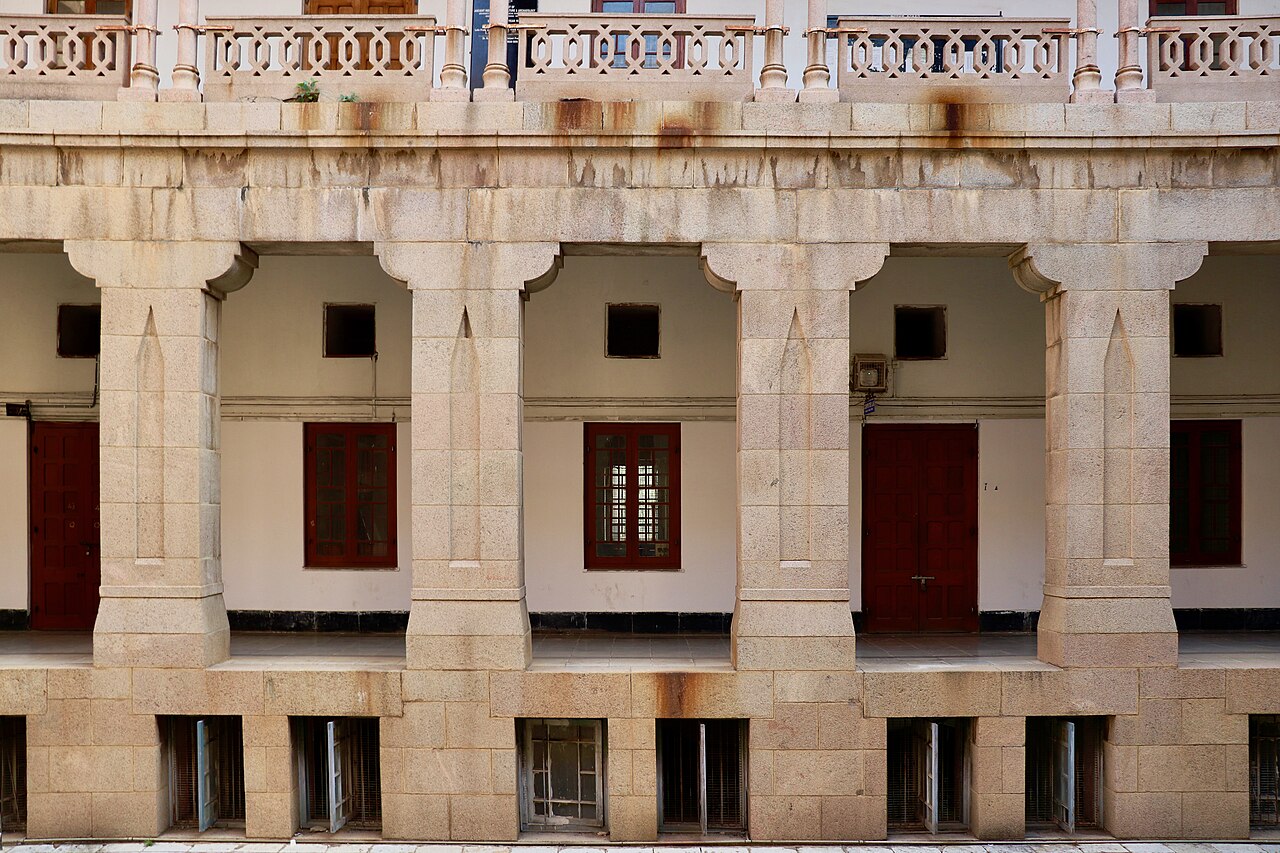
హైదరాబాద్లోని ఉస్మానియా విశ్వవిద్యాలయం ఆర్ట్స్ కాలేజీ భవనం — గ్రానైట్ రాళ్లతో, ఇండో–సార్సెనిక్ శైలిలో నిర్మించిన ఆ అందమైన కట్టడం ఎన్నో చారిత్రక ఘట్టాలకు సాక్షి. ఆ మెట్లపై నుంచే తెలంగాణ ఉద్యమాలు ఊపిరి పోసుకున్నాయి. దేశంలోని పురాతన విశ్వవిద్యాలయాల్లో ఒకటైన ఉస్మానియా శతాబ్ద చరిత్రను చూద్దాం.
స్థాపన (1918)
1918లో ఏడవ నిజాం మీర్ ఉస్మాన్ అలీ ఖాన్ ఉస్మానియా విశ్వవిద్యాలయాన్ని స్థాపించారు. దేశంలో ఒక భారతీయ భాష — ఉర్దూ — బోధనా మాధ్యమంగా ఉన్నత విద్యను అందించిన తొలి విశ్వవిద్యాలయాల్లో ఇది ఒకటి. ఇంజినీరింగ్, వైద్యం వంటి విషయాలను కూడా ఉర్దూలో బోధించేందుకు అనువాద విభాగం ప్రత్యేకంగా పనిచేసింది. 1948 తర్వాత బోధనా మాధ్యమం ఇంగ్లీష్కు మారింది. 2017లో విశ్వవిద్యాలయం శతాబ్ది ఉత్సవాలు జరుపుకుంది.
వందేమాతరం ఉద్యమం (1938)
నిజాం పాలనలో 1938లో ఉస్మానియా విద్యార్థులు హాస్టళ్లలో "వందేమాతరం" గీతం పాడేందుకు అనుమతి కోరారు. అధికారులు నిషేధించడంతో విద్యార్థులు ఉద్యమించారు. పలువురు విద్యార్థులను బహిష్కరించారు. వారిలో తర్వాత దేశ ప్రధాని అయిన పి.వి. నరసింహారావు కూడా ఉన్నారు. బహిష్కృత విద్యార్థులు నాగపూర్ వంటి ఇతర విశ్వవిద్యాలయాల్లో చదువు కొనసాగించారు. స్వాతంత్ర్య భావనలు, నిజాం వ్యతిరేక పోరాటంలో ఈ ఉద్యమం ఒక మైలురాయి.
1969 — జై తెలంగాణ
1969 జనవరిలో ప్రత్యేక తెలంగాణ ఉద్యమం ఉధృతమైనప్పుడు ఉస్మానియా విద్యార్థులు ముందు వరుసలో నిలిచారు. ఉస్మానియా క్యాంపస్ ఉద్యమ కేంద్రంగా మారింది. పోలీసు కాల్పుల్లో ఎంతోమంది యువకులు ప్రాణాలు కోల్పోయారు. ఆ ఉద్యమంలో విద్యార్థుల త్యాగాలు తెలంగాణ చరిత్రలో చిరస్మరణీయం.
2009–2014 — మలి దశ ఉద్యమం
2009 నవంబర్లో కేసీఆర్ నిరాహార దీక్ష తర్వాత ఉస్మానియా క్యాంపస్ మళ్లీ ఉద్యమానికి గుండెకాయ అయింది. "ఉస్మానియా జేఏసీ" (విద్యార్థి ఐక్య కార్యాచరణ సమితి) ఏర్పడి, అన్ని విద్యార్థి సంఘాలను ఒకే వేదికపైకి తెచ్చింది. ఆర్ట్స్ కాలేజీ ముందు జరిగిన భారీ సభలు, క్యాంపస్లో పోలీసులతో ఘర్షణలు, భాష్పవాయు ప్రయోగాలు, అరెస్టులు ఆ కాలంలో నిత్యకృత్యం. క్యాంపస్లోనే ఉద్యమ పాటలు, కవిత్వం, నాటకాలు పుట్టాయి. ఈ కాలంలో కొందరు విద్యార్థులు ఆత్మబలిదానాలు చేసుకోవడం విషాదకరం.
ఉస్మానియాతో పాటు కాకతీయ విశ్వవిద్యాలయం (వరంగల్), తెలంగాణ విశ్వవిద్యాలయం (నిజామాబాద్) వంటి విద్యాసంస్థల విద్యార్థులు కూడా ఉద్యమంలో కీలక పాత్ర పోషించారు. ఉద్యమం నుంచి వచ్చిన పలువురు విద్యార్థి నాయకులు తర్వాత ఎమ్మెల్యేలుగా, ప్రజాప్రతినిధులుగా ఎదిగారు.
విద్యా కేంద్రంగా ఉస్మానియా
ఉద్యమాలతో పాటు ఉస్మానియా ఎంతోమంది శాస్త్రవేత్తలు, అధికారులు, రాజకీయ నాయకులు, కళాకారులను దేశానికి అందించింది. అడోబ్ సీఈవో శంతను నారాయణ్ సహా ఎంతోమంది ప్రముఖులు ఇక్కడి పూర్వ విద్యార్థులు. వందలాది అనుబంధ కళాశాలలతో తెలంగాణలో ఉన్నత విద్యకు వెన్నెముకగా నిలుస్తోంది. గ్రామీణ, పేద కుటుంబాల విద్యార్థులకు తక్కువ ఖర్చుతో నాణ్యమైన విద్య అందించడం దాని గొప్పదనం.
నేటి సవాళ్లు
అధ్యాపక పోస్టుల ఖాళీలు, పరిశోధనకు నిధుల కొరత, శిథిలమవుతున్న హాస్టల్ భవనాలు, క్యాంపస్ భూముల ఆక్రమణలు — ఇవి ఉస్మానియా ముందున్న సమస్యలు. ఉద్యమాలకు కేంద్రమైన విశ్వవిద్యాలయం రాష్ట్రం ఏర్పడ్డాక మరింత అభివృద్ధి చెందాలని పూర్వ విద్యార్థులు, విద్యావేత్తలు కోరుతున్నారు. ప్రభుత్వాలు విశ్వవిద్యాలయ అభివృద్ధికి ప్రణాళికలు ప్రకటిస్తున్నాయి.
ముగింపు
ఉస్మానియా కేవలం ఒక విశ్వవిద్యాలయం కాదు; అది తెలంగాణ చైతన్యానికి ప్రతీక. విద్యార్థులు చదువుతో పాటు సమాజం పట్ల బాధ్యతగా ఆలోచిస్తే చరిత్రను మార్చగలరని ఉస్మానియా శతాబ్ద ప్రస్థానం నిరూపిస్తుంది.
ఫోటో: iMahesh / Wikimedia Commons (CC BY-SA 4.0)
Osmania University: How students shaped Telangana's history
Osmania University Arts College building in Hyderabad — This beautiful building, built with granite stones and in the Indo-Saracenic style, is a witness to many historical events. The Telangana movement took its breath from those steps. Let's look at the century-old history of Osmania, one of the oldest universities in the country.
Founding (1918)
Osmania University was founded in 1918 by the seventh Nizam, Mir Osman Ali Khan. It was one of the first universities in the country to offer higher education in an Indian language — Urdu — as the medium of instruction. The translation department also worked specifically to teach subjects like engineering and medicine in Urdu. After 1948, the medium of instruction changed to English. The university celebrated its centenary in 2017.
Vande Mataram Movement (1938)
During the Nizam's rule, in 1938, Osmania students sought permission to sing the song "Vande Mataram" in the hostels. When the authorities banned it, the students protested. Many students were expelled. Among them was P.V. Narasimha Rao, who later became the Prime Minister of the country. The expelled students continued their studies in other universities like Nagpur. This movement was a milestone in the struggle for independence and against the Nizam.
1969 — Jai Telangana
When the separate Telangana movement intensified in January 1969, Osmania students stood at the forefront. Osmania Campus became the center of the movement. Many youth lost their lives in police firing. The sacrifices of students in that movement are memorable in the history of Telangana.
2009–2014 — Mali Dasa Movement
After KCR's hunger strike in November 2009, Osmania Campus again became the heart of the movement. "Osmania JAC" (Student Joint Action Committee) was formed, bringing all the student unions on a single platform. Huge rallies in front of the Arts College, clashes with the police on campus, tear gas attacks, and arrests were routine during that period. Movement songs, poetry, and plays were born on the campus itself. It is tragic that some students sacrificed themselves during this period.
Apart from Osmania, students from educational institutions like Kakatiya University (Warangal) and Telangana University (Nizamabad) also played a key role in the movement. Many student leaders who emerged from the movement later became MLAs and public representatives.
Osmania as an educational hub
Along with movements, Osmania has provided many scientists, officials, politicians and artists to the country. Many celebrities including Adobe CEO Shantanu Narayan are alumni here. With hundreds of affiliated colleges, it stands as the backbone of higher education in Telangana. Its great advantage is providing quality education at low cost to students from rural and poor families.
Today's challenges
Vacancies in faculty posts, lack of funds for research, dilapidated hostel buildings, encroachment of campus land — these are the problems facing Osmania. Alumni and academics want the university, which has been the center of movements, to develop further after the formation of the state. Governments are announcing plans for the development of the university.
Conclusion
Osmania is not just a university; it is a symbol of Telangana's consciousness. Osmania's century-long reign proves that students can change history if they think responsibly towards society along with their studies.
Photo: iMahesh / Wikimedia Commons (CC BY-SA 4.0)