
రాజకీయాలు
ప్రాంతీయ vs జాతీయ పార్టీలు: తెలుగు ఓటర్లు స్థానిక పార్టీలను ఎందుకు ఎంచుకుంటారు?
టీడీపీ, టీఆర్ఎస్/బీఆర్ఎస్, వైఎస్ఆర్సీపీ, జనసేన నాలుగు దశాబ్దాలుగా తెలుగు రాజకీయాలను తీర్చిదిద్దాయి. ప్రాంతీయ పార్టీల బలాలు, బలహీనతలు, జాతీయ పార్టీల స్పందన.
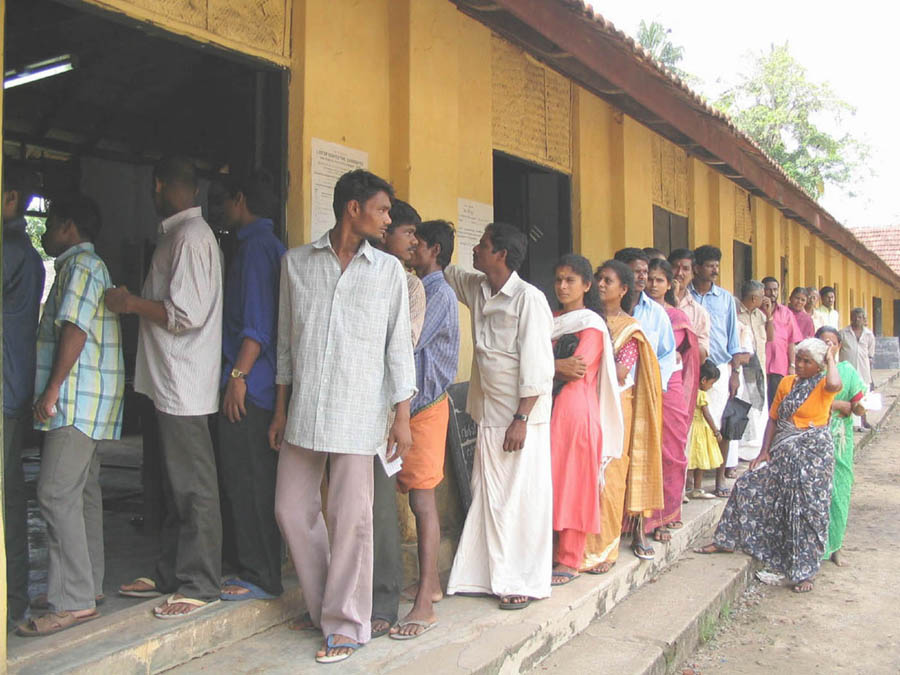
1983లో ఎన్టీఆర్ తెలుగుదేశంతో కాంగ్రెస్ను ఓడించినప్పటి నుంచి తెలుగు రాజకీయాల్లో ప్రాంతీయ పార్టీలదే ఆధిపత్యం. ఉమ్మడి రాష్ట్రంలో టీడీపీ, తెలంగాణలో టీఆర్ఎస్/బీఆర్ఎస్, ఆంధ్రప్రదేశ్లో వైఎస్ఆర్సీపీ, జనసేన — ఈ పార్టీలు దశాబ్దాలుగా అధికారంలో లేదా ప్రధాన ప్రతిపక్షంగా ఉన్నాయి. జాతీయ పార్టీలు కూడా ఇక్కడ గెలవాలంటే ప్రాంతీయ పార్టీల మద్దతో, స్థానిక గుర్తింపో అవసరమవుతోంది. ఎందుకు?
ప్రాంతీయ పార్టీల ఆవిర్భావానికి కారణాలు
1. ఆత్మగౌరవం: "దిల్లీ అధిష్ఠానం మన ముఖ్యమంత్రిని నిర్ణయించడం" పట్ల అసంతృప్తి టీడీపీ ఆవిర్భావానికి నేపథ్యం. "తెలుగువారి ఆత్మగౌరవం" నినాదం ఆ భావనను పట్టుకుంది.
2. ప్రాంతీయ ఆకాంక్షలు: ప్రత్యేక తెలంగాణ వంటి నిర్దిష్ట ప్రాంతీయ లక్ష్యాలను జాతీయ పార్టీలు పూర్తిగా ప్రాతినిధ్యం వహించలేవనే భావన టీఆర్ఎస్కు దారితీసింది.
3. నాయకుల వ్యక్తిత్వం: ఎన్టీఆర్, కేసీఆర్, వైఎస్ జగన్, పవన్ కళ్యాణ్ — ప్రాంతీయ పార్టీలు బలమైన వ్యక్తిత్వం గల నాయకుల చుట్టూ రూపుదిద్దుకున్నాయి.
4. స్థానిక సమస్యలపై దృష్టి: నీళ్లు, ప్రాజెక్టులు, సంక్షేమ పథకాలు వంటి స్థానిక అంశాలపై వేగంగా స్పందించగలగడం.
ప్రాంతీయ పార్టీల బలాలు
• సమాఖ్య స్వరం: కేంద్రంలో సంకీర్ణ ప్రభుత్వాలు ఉన్నప్పుడు ప్రాంతీయ పార్టీలు తమ రాష్ట్రానికి నిధులు, ప్రాజెక్టులు సాధించగలవు. 1990ల్లో టీడీపీ, 2024 నుంచి మళ్లీ టీడీపీ కేంద్ర ప్రభుత్వంలో కీలక పాత్ర పోషించడం దీనికి ఉదాహరణ.
• వేగమైన నిర్ణయాలు: అధిష్ఠానం అనుమతి కోసం దిల్లీకి వెళ్లాల్సిన అవసరం లేదు.
• సంక్షేమ నమూనాలు: రెండు రూపాయల బియ్యం, ఆరోగ్యశ్రీ, రైతుబంధు, అమ్మఒడి వంటి పథకాలు ప్రాంతీయ ప్రభుత్వాల నుంచే వచ్చాయి — తర్వాత దేశవ్యాప్త పథకాలకు ప్రేరణ అయ్యాయి.
• కొత్త నాయకత్వం: వెనుకబడిన వర్గాల నుంచి కొత్త నాయకులకు అవకాశాలు.
బలహీనతలు, విమర్శలు
• కుటుంబ పాలన: చాలా ప్రాంతీయ పార్టీల్లో అధికారం ఒకే కుటుంబంలో కేంద్రీకృతమవుతుందనే విమర్శ.
• అంతర్గత ప్రజాస్వామ్యం లోపం: పార్టీ అంతర్గత ఎన్నికలు అరుదు; నాయకుడి నిర్ణయమే అంతిమం.
• వ్యక్తి ఆధారం: నాయకుడు బలహీనపడితే పార్టీ మొత్తం బలహీనపడే ప్రమాదం.
• జాతీయ దృష్టి కొరత: విదేశాంగ, రక్షణ వంటి జాతీయ అంశాలపై స్పష్టమైన వైఖరి లేకపోవడం.
• పోటీ సంక్షేమం: ఒక పార్టీని మించి మరో పార్టీ హామీలు — ఆర్థిక భారం.
జాతీయ పార్టీల వ్యూహం
తెలుగు రాష్ట్రాల్లో జాతీయ పార్టీలు రెండు మార్గాలు అనుసరిస్తున్నాయి:
1. పొత్తులు: బీజేపీ ఆంధ్రప్రదేశ్లో టీడీపీ, జనసేనతో; గతంలో కాంగ్రెస్ టీఆర్ఎస్తో, వామపక్షాలతో.
2. స్థానిక ముఖచిత్రం: బలమైన స్థానిక నాయకుడిని ముందుపెట్టడం — తెలంగాణలో కాంగ్రెస్ 2023 విజయం దీనికి ఉదాహరణ. జాతీయ పార్టీ అయినా స్థానిక నాయకత్వం, స్థానిక హామీలతోనే గెలిచింది.
ఓటర్ల ధోరణి — "స్ప్లిట్ వోటింగ్"
ఆసక్తికరమైన విషయం ఏమిటంటే, ఒకే ఓటరు అసెంబ్లీ ఎన్నికల్లో ప్రాంతీయ పార్టీకి, లోక్సభ ఎన్నికల్లో జాతీయ పార్టీకి ఓటు వేస్తున్నట్లు ఫలితాలు సూచిస్తున్నాయి. తెలంగాణలో 2018 అసెంబ్లీలో టీఆర్ఎస్కు భారీ విజయం ఇచ్చిన ఓటర్లు కొన్ని నెలల్లోనే 2019 లోక్సభలో బీజేపీకి నాలుగు స్థానాలు ఇచ్చారు. "రాష్ట్రానికి ఒకరు, దేశానికి మరొకరు" అనే ఆలోచన ఓటర్లలో పెరుగుతోంది.
ముగింపు
ప్రాంతీయ పార్టీలు భారత సమాఖ్య వ్యవస్థకు బలం — రాష్ట్రాల గొంతును దిల్లీలో వినిపిస్తాయి. జాతీయ పార్టీలు దేశ ఐక్యత, విస్తృత దృష్టిని అందిస్తాయి. ఏ పార్టీ అయినా పారదర్శకత, అంతర్గత ప్రజాస్వామ్యం, జవాబుదారీతనం పాటించడమే ఓటర్లకు ముఖ్యం.
ఫోటో: Government of India / Wikimedia Commons (GODL-India)
Regional vs national parties: Why Telugu voters often choose local
Regional parties have dominated Telugu politics since NTR defeated the Congress with Telugu Desam in 1983. TDP in the united state, TRS/BRS in Telangana, YSRCP, Janasena in Andhra Pradesh — these parties have been in power or the main opposition for decades. Even national parties need the support of regional parties and local recognition to win here. Why?
Reasons for the emergence of regional parties
1. Self-respect: Dissatisfaction with "the Delhi high command deciding our Chief Minister" was the backdrop for the emergence of TDP. The slogan "Telugu people's self-respect" captured that feeling.
2. Regional aspirations: The perception that national parties could not fully represent specific regional goals, such as a separate Telangana, led to the TRS.
3. Personality of leaders: NTR, KCR, YS Jagan, Pawan Kalyan — Regional parties have formed around leaders with strong personalities.
4. Focus on local issues: Being able to respond quickly to local issues such as water, projects, and welfare schemes.
Strengths of regional parties
• Federal Voice: When there are coalition governments at the center, regional parties can secure funds and projects for their states. An example of this is the TDP in the 1990s, and again since 2024, the TDP has played a key role in the central government.
• Faster decisions: No need to go to Delhi for approval from the higher-ups.
• Welfare models: Schemes like two rupee rice, Aarogyasri, Rythu Bandhu, and Amma Vodi originated from regional governments — and later became the inspiration for nationwide schemes.
• New Leadership: Opportunities for new leaders from disadvantaged communities.
Weaknesses and criticisms
• Family rule: Criticism that power in many regional parties is concentrated in a single family.
• Lack of internal democracy: Internal party elections are rare; the leader's decision is final.
• Individual basis: If the leader is weakened, the entire party risks being weakened.
• Lack of national vision: Lack of a clear stance on national issues like foreign affairs and defense.
• Competitive welfare: One party's promises outweigh another's — economic burden.
National party strategy
National parties in Telugu states are following two paths:
1. Alliances: BJP with TDP and Jana Sena in Andhra Pradesh; Congress with TRS and Left parties in the past.
2. Local Face: Putting forward a strong local leader — Congress's 2023 victory in Telangana is an example of this. Even though it is a national party, it won with local leadership and local promises.
Voter trend — "Split voting"
Interestingly, the results suggest that the same voter is voting for a regional party in the assembly elections and a national party in the Lok Sabha elections. The voters who gave a landslide victory to TRS in the 2018 assembly in Telangana gave four seats to BJP in the 2019 Lok Sabha within a few months. The idea of "one for the state, one for the country" is growing among the voters.
Conclusion
Regional parties are the strength of India's federal system — they make the voice of the states heard in Delhi. National parties provide national unity and a broader vision. Transparency, internal democracy, and accountability are important to voters, regardless of the party.
Photo: Government of India / Wikimedia Commons (GODL-India)