
భారత్
భారత్లో రాజకీయ పార్టీ రిజిస్ట్రేషన్ ఎలా? "గుర్తింపు పొందిన పార్టీ" అంటే ఏమిటి?
సీజేపీ వంటి ఉద్యమాలు రిజిస్టర్ అయిన పార్టీలు కావు. ఎన్నికల సంఘం వద్ద రిజిస్ట్రేషన్ ఎలా జరుగుతుంది, జాతీయ, రాష్ట్ర పార్టీ హోదా ఎలా వస్తుంది.
2026లో కాక్రోచ్ జనతా పార్టీ (సీజేపీ) వైరల్ అయినప్పుడు చాలామంది ఒక ప్రశ్న అడిగారు — "పేరులో పార్టీ ఉంది కదా, ఇది నిజమైన పార్టీ కాదా?" సమాధానం: ఎవరైనా తమ సంస్థకు "పార్టీ" అని పేరు పెట్టుకోవచ్చు, కానీ ఎన్నికల సంఘం వద్ద రిజిస్టర్ అయితేనే అది చట్టబద్ధంగా రాజకీయ పార్టీ అవుతుంది. ఈ ప్రక్రియ ఎలా ఉంటుందో పౌరశాస్త్రం విద్యార్థులకు, పోటీ పరీక్షల అభ్యర్థులకు, ఆసక్తి ఉన్న పౌరులకు ఉపయోగపడేలా వివరిస్తున్నాం.
చట్టపరమైన ఆధారం
ప్రజాప్రాతినిధ్య చట్టం, 1951లోని సెక్షన్ 29ఏ రాజకీయ పార్టీల రిజిస్ట్రేషన్ను నియంత్రిస్తుంది. భారత ఎన్నికల సంఘం (ఈసీఐ) ఈ ప్రక్రియను నిర్వహిస్తుంది. ఎన్నికల గుర్తుల కేటాయింపు "ఎన్నికల గుర్తుల (రిజర్వేషన్ మరియు కేటాయింపు) ఉత్తర్వు, 1968" ప్రకారం జరుగుతుంది.
రిజిస్ట్రేషన్ ప్రక్రియ — సంక్షిప్తంగా
1. దరఖాస్తు సమయం: పార్టీ ఏర్పడిన నిర్ణీత రోజుల్లోగా ఎన్నికల సంఘానికి నిర్దేశిత ఫారంలో దరఖాస్తు చేయాలి.
2. రుసుము: నిర్ణీత దరఖాస్తు రుసుము చెల్లించాలి.
3. పార్టీ నియమావళి (రాజ్యాంగం): పార్టీ పేరు, లక్ష్యాలు, అంతర్గత ఎన్నికలు, పదవుల వివరాలతో కూడిన నియమావళి సమర్పించాలి. అందులో భారత రాజ్యాంగం పట్ల, సామ్యవాదం, లౌకికవాదం, ప్రజాస్వామ్య సూత్రాల పట్ల, దేశ సార్వభౌమత్వం, ఐక్యత పట్ల నిబద్ధత ప్రకటించే నిబంధన తప్పనిసరి.
4. సభ్యుల వివరాలు: ఓటర్ల జాబితాలో పేరున్న నిర్ణీత సంఖ్యలో సభ్యుల వివరాలు, వారి అఫిడవిట్లు.
5. బహిరంగ ప్రకటన: ప్రతిపాదిత పార్టీ పేరును వార్తాపత్రికల్లో ప్రచురించి, ప్రజల నుంచి అభ్యంతరాలు ఆహ్వానించాలి.
6. పరిశీలన: అభ్యంతరాలను, పత్రాలను పరిశీలించిన తర్వాత ఎన్నికల సంఘం రిజిస్ట్రేషన్పై నిర్ణయం తీసుకుంటుంది.
(రుసుము మొత్తం, సభ్యుల సంఖ్య, గడువుల వంటి ఖచ్చితమైన వివరాల కోసం ఎన్నికల సంఘం అధికారిక మార్గదర్శకాలు చూడండి.)
రిజిస్టర్ అయితే ఏం లాభం?
• పార్టీ అభ్యర్థులకు ఉమ్మడి గుర్తు కోసం ప్రాధాన్యం.
• పార్టీకి వచ్చే విరాళాలపై ఆదాయపు పన్ను మినహాయింపు (నిబంధనలకు లోబడి).
• అభ్యర్థి నామినేషన్కు తక్కువ మంది ప్రతిపాదకులు సరిపోతారు.
• ఎన్నికల ప్రక్రియలో అధికారిక గుర్తింపు.
మూడు రకాల పార్టీలు
1. జాతీయ పార్టీ: నిర్దిష్ట ప్రమాణాలు నెరవేర్చినవి — ఉదాహరణకు నాలుగు లేదా అంతకంటే ఎక్కువ రాష్ట్రాల్లో గుర్తింపు పొందిన రాష్ట్ర పార్టీ కావడం, లేదా లోక్సభ ఎన్నికల్లో నిర్ణీత శాతం ఓట్లు, సీట్లు సాధించడం. వీటికి దేశమంతా ఒకే గుర్తు రిజర్వ్ అవుతుంది. బీజేపీ, కాంగ్రెస్ వంటివి జాతీయ పార్టీలు.
2. రాష్ట్ర పార్టీ: ఒక రాష్ట్రంలో అసెంబ్లీ లేదా లోక్సభ ఎన్నికల్లో నిర్ణీత శాతం ఓట్లు, సీట్లు సాధించినవి. ఆ రాష్ట్రంలో వాటి గుర్తు రిజర్వ్ అవుతుంది. తెలుగు రాష్ట్రాల్లో టీడీపీ, బీఆర్ఎస్, వైఎస్ఆర్సీపీ వంటివి ఈ కోవలోకి వస్తాయి.
3. రిజిస్టర్డ్ అన్రికగ్నైజ్డ్ పార్టీలు: రిజిస్టర్ అయినా జాతీయ/రాష్ట్ర హోదా పొందనివి. దేశంలో ఇలాంటి పార్టీలు వేల సంఖ్యలో ఉన్నాయి. వీటికి ఎన్నికల సమయంలో "ఫ్రీ సింబల్స్" జాబితా నుంచి గుర్తులు కేటాయిస్తారు.
హోదా కోల్పోవచ్చా?
అవును. ప్రతి ఎన్నికల తర్వాత ఎన్నికల సంఘం పార్టీల పనితీరును సమీక్షిస్తుంది. ప్రమాణాలు నెరవేర్చకపోతే జాతీయ లేదా రాష్ట్ర పార్టీ హోదా కోల్పోవచ్చు. ఇటీవలి సంవత్సరాల్లో కొన్ని పాత పార్టీలు జాతీయ హోదా కోల్పోయాయి, కొత్త పార్టీలు సాధించాయి.
రిజిస్టర్ కాని ఉద్యమాల పరిస్థితి
సీజేపీ వంటి రిజిస్టర్ కాని ఉద్యమాలు నిరసనలు, ప్రచారాలు చేయవచ్చు — ఇది రాజ్యాంగం ఇచ్చిన భావప్రకటన, సమావేశ స్వేచ్ఛలో భాగం. కానీ పార్టీగా ఎన్నికల్లో పోటీ చేయాలంటే రిజిస్ట్రేషన్ అవసరం. అయితే వ్యక్తులు స్వతంత్ర అభ్యర్థులుగా పోటీ చేయవచ్చు.
ఎందుకు తెలుసుకోవాలి?
ఎన్నికల సమయంలో "కొత్త పార్టీ", "కొత్త గుర్తు" వంటి వార్తలు చూసినప్పుడు వాటి చట్టపరమైన స్థితిని అర్థం చేసుకోవడానికి, పోటీ పరీక్షల్లో వచ్చే పాలిటీ ప్రశ్నలకు సమాధానం చెప్పడానికి ఈ సమాచారం ఉపయోగపడుతుంది. ఎన్నికల సంఘం వెబ్సైట్లో గుర్తింపు పొందిన, రిజిస్టర్ అయిన పార్టీల జాబితా అందుబాటులో ఉంటుంది.
ముగింపు
ఒక పేరు, ఒక జెండా, కొంతమంది అనుచరులు ఉంటే పార్టీ కాదు; చట్టపరమైన ప్రక్రియ, పారదర్శకత, ప్రజాస్వామ్య విలువలకు నిబద్ధత కావాలి. బలమైన ప్రజాస్వామ్యానికి బలమైన, జవాబుదారీ పార్టీలు అవసరం.
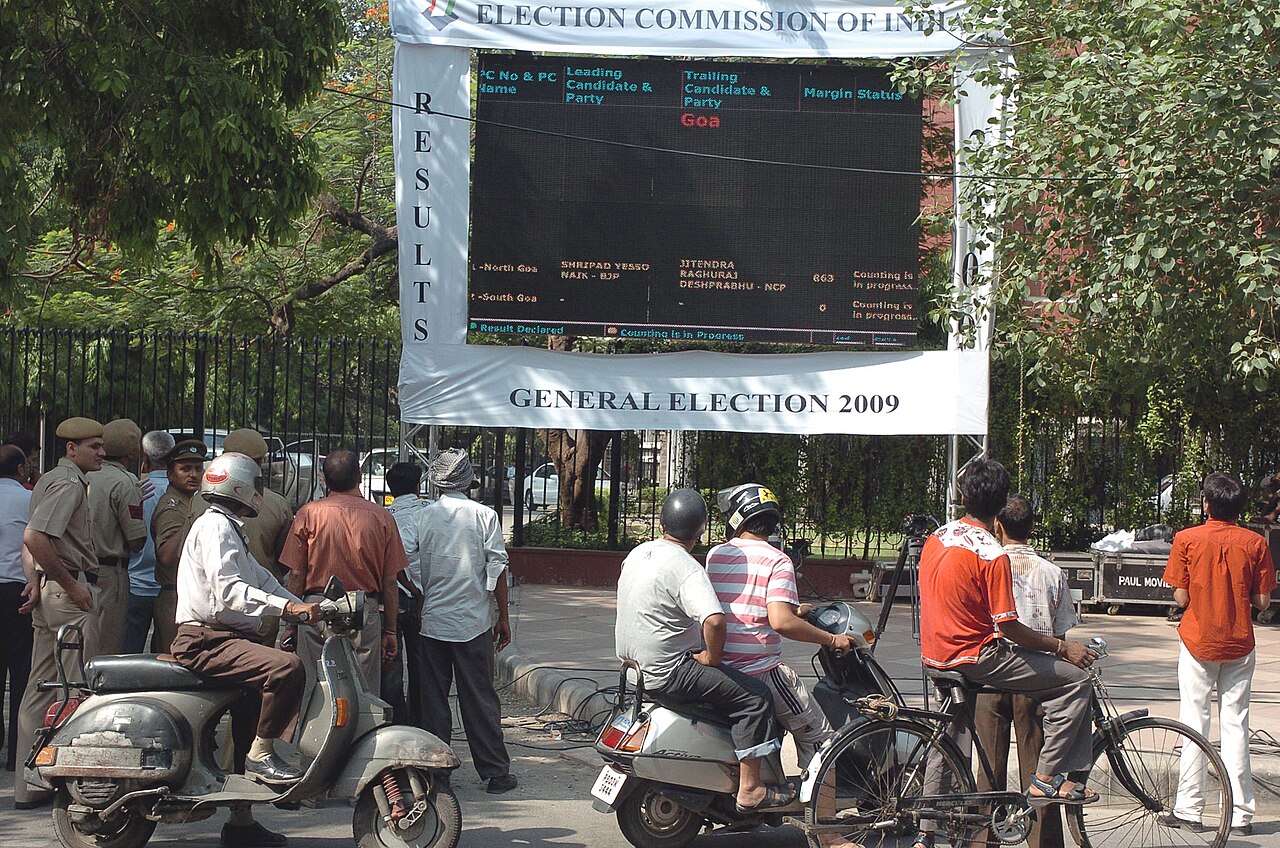
ఫోటో: Election Commission of India / Wikimedia Commons (GODL-India)
How a political party is registered in India — and what "recognised party" means
When the Cockroach Janata Party (CJP) went viral in 2026, many asked a question — "Isn't it a real party, if the name says "party"?" Answer: Anyone can name their organization "party", but it becomes a legal political party only if it is registered with the Election Commission. We are explaining how this process works for the benefit of civics students, competitive exam candidates, and interested citizens.
Legal basis
Section 29A of the Representation of the People Act, 1951 regulates the registration of political parties. The Election Commission of India (ECI) administers this process. The allocation of election symbols is done in accordance with the "Election Symbols (Reservation and Allotment) Order, 1968".
Registration process — in brief
1. Application time: An application should be submitted to the Election Commission in the prescribed form within the specified days of the formation of the party.
2. Fee: A prescribed application fee must be paid.
3. Party Constitution (Constitution): The party must submit a constitution detailing the party's name, objectives, internal elections, and positions. It must include a statement declaring commitment to the Constitution of India, the principles of socialism, secularism, democracy, and the sovereignty and unity of the country.
4. Details of Members: Details of a certain number of members named in the voters' list, along with their affidavits.
5. Public announcement: The name of the proposed party should be published in newspapers and objections should be invited from the public.
6. Consideration: The Election Commission will take a decision on registration after considering the objections and documents.
(See the Election Commission's official guidelines for exact details like fee amount, number of members, deadlines.)
What are the benefits of registering?
• Preference for a common symbol for party candidates.
• Income tax exemption on donations to the party (subject to conditions).
• Fewer proposers are sufficient for a candidate's nomination.
• Official recognition in the electoral process.
Three types of parties
1. National Party: Those that meet certain criteria — for example, being a recognized state party in four or more states, or winning a certain percentage of votes and seats in the Lok Sabha elections. These are reserved a single symbol across the country. BJP and Congress are national parties.
2. State Party: A party that wins a certain percentage of votes and seats in the Assembly or Lok Sabha elections in a state. Its symbol is reserved in that state. In Telugu states, TDP, BRS, YSRCP etc. fall under this category.
3. Registered Unrecognized Parties: Those registered but not granted national/state status. There are thousands of such parties in the country. These are allotted symbols from the list of "free symbols" during elections.
Can I lose my status?
Yes. The Election Commission reviews the performance of parties after every election. Failure to meet the criteria may result in the loss of national or state party status. In recent years, some old parties have lost national status and new parties have gained it.
The situation of unregistered movements
Unregistered movements like the CJP can protest and campaign — this is part of the freedom of expression and assembly guaranteed by the Constitution. But registration is required to contest elections as a party. However, individuals can contest as independent candidates.
Why should you know?
This information is useful when you see news like "new party" or "new symbol" during elections to understand their legal status and to answer politics questions in competitive exams. A list of recognized and registered parties is available on the Election Commission website.
Conclusion
A party is not just a name, a flag, and a few followers; it needs due process, transparency, and a commitment to democratic values. A strong democracy requires strong, accountable parties.
Photo: Election Commission of India / Wikimedia Commons (GODL-India)