
టెక్నాలజీ
నిమిషానికి ₹16 కాల్ నుంచి 5జీ వరకు: భారత్లో మొబైల్ ఫోన్ కథ
భారత్లో తొలి మొబైల్ కాల్ 1995లో జరిగింది. మూడు దశాబ్దాల తర్వాత దాదాపు ప్రతి జేబులో స్మార్ట్ఫోన్ — ఈ మార్పు ఎలా జరిగింది.
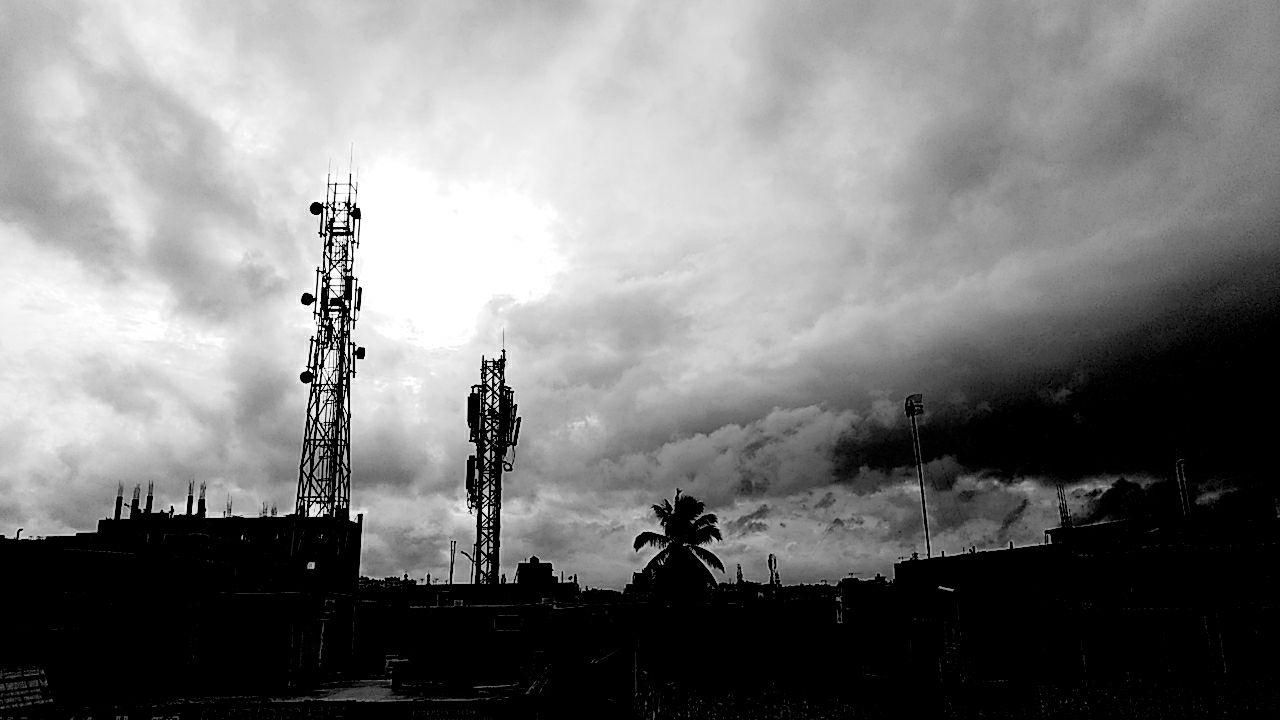
ఈ రోజు గ్రామంలో కూరగాయలు అమ్మే అవ్వ కూడా యూపీఐతో డబ్బులు తీసుకుంటోంది. కానీ ముప్పై ఏళ్ల క్రితం మొబైల్ ఫోన్ అంటే ధనవంతుల విలాసం. ఈ మార్పు ఎలా జరిగిందో తెలుసుకుందాం.
తొలి కాల్ — 1995 జూలై 31
భారతదేశంలో తొలి మొబైల్ ఫోన్ కాల్ 1995 జూలై 31న జరిగింది. పశ్చిమ బెంగాల్ ముఖ్యమంత్రి జ్యోతి బసు కోల్కతా నుంచి, దిల్లీలో ఉన్న అప్పటి కేంద్ర టెలికాం మంత్రి సుఖ్రామ్కు ఫోన్ చేశారు. మోదీ టెల్స్ట్రా అనే సంస్థ నెట్వర్క్పై, నోకియా హ్యాండ్సెట్తో ఆ కాల్ జరిగింది.
అప్పట్లో కాల్ ధరలు ఆశ్చర్యం కలిగిస్తాయి. అవుట్గోయింగ్ కాల్కు నిమిషానికి సుమారు ₹16 వరకు, ఇన్కమింగ్ కాల్కు కూడా చార్జీలు ఉండేవి. ఒక హ్యాండ్సెట్ ధర పది వేల రూపాయలకు పైనే. అందుకే మొదటి కొన్నేళ్లు మొబైల్ వ్యాపారులు, అధికారుల చేతుల్లోనే ఉంది.
ధరలు తగ్గిన దశ (1999–2005)
1999లో వచ్చిన కొత్త టెలికాం విధానం లైసెన్స్ ఫీజుల బదులు ఆదాయంలో వాటా పద్ధతిని తెచ్చింది. దీంతో కంపెనీలకు భారం తగ్గి ధరలు దిగొచ్చాయి. 2003 ప్రాంతంలో ఇన్కమింగ్ కాల్స్ ఉచితమయ్యాయి — ఇది ఒక పెద్ద మలుపు. రిలయన్స్ ఇన్ఫోకామ్ "కర్లో దునియా ముట్ఠీ మే" నినాదంతో తక్కువ ధర ఫోన్లు, కాల్ రేట్లు తెచ్చింది. ఎయిర్టెల్, హచ్ (తర్వాత వొడాఫోన్), ఐడియా, బీఎస్ఎన్ఎల్ మధ్య పోటీ పెరిగింది. ప్రీపెయిడ్ రీచార్జ్ కార్డులు చిన్న దుకాణాల వరకూ చేరాయి.
నోకియా యుగం
2000ల్లో "మొబైల్ అంటే నోకియా" అన్నట్లు ఉండేది. నోకియా 1100, 3310 వంటి మోడళ్లు గట్టిగా ఉండటం, బ్యాటరీ ఎక్కువసేపు రావడం, టార్చ్ లైట్ ఉండటం వల్ల గ్రామీణ భారతంలో బాగా ఆదరణ పొందాయి. "స్నేక్" ఆట ఆడని వాళ్లు అరుదు. ఎస్ఎంఎస్ ప్యాక్లు యువతకు పెద్ద ఆకర్షణ.
3జీ, స్మార్ట్ఫోన్ (2010–2015)
2010లో 3జీ స్పెక్ట్రమ్ వేలం జరిగింది. అదే సమయంలో ఆండ్రాయిడ్ ఫోన్లు రావడంతో ఫోన్ అంటే కేవలం మాట్లాడే పరికరం కాదు, చిన్న కంప్యూటర్ అయింది. మైక్రోమాక్స్, కార్బన్, లావా వంటి భారతీయ బ్రాండ్లు తక్కువ ధరకు స్మార్ట్ఫోన్లు అమ్మాయి. తర్వాత షావోమీ వంటి చైనా బ్రాండ్లు మార్కెట్ను ఆక్రమించాయి. వాట్సాప్ ఎస్ఎంఎస్ స్థానాన్ని తీసుకుంది. అయితే డేటా అప్పటికీ ఖరీదే — ఒక జీబీకి వందల రూపాయలు.
జియో విప్లవం (2016)
2016 సెప్టెంబర్లో రిలయన్స్ జియో ప్రారంభమైంది. కొన్ని నెలలు ఉచిత కాల్స్, ఉచిత డేటా ఇచ్చింది. తర్వాత కూడా చాలా తక్కువ ధరలకు డేటా అందించింది. దీంతో దేశంలో డేటా వినియోగం ఊహించని స్థాయిలో పెరిగింది. యూట్యూబ్, ఓటీటీ, ఆన్లైన్ విద్య, డిజిటల్ చెల్లింపులు గ్రామాలకు చేరాయి. అదే సమయంలో పోటీని తట్టుకోలేక కొన్ని కంపెనీలు విలీనమయ్యాయి, మరికొన్ని మూతపడ్డాయి.
5జీ యుగం (2022 నుంచి)
2022 అక్టోబర్ 1న దేశంలో 5జీ సేవలు ప్రారంభమయ్యాయి. హైదరాబాద్ సహా ప్రధాన నగరాల్లో మొదట అందుబాటులోకి వచ్చాయి. వేగవంతమైన ఇంటర్నెట్తో పాటు స్మార్ట్ ఫ్యాక్టరీలు, టెలిమెడిసిన్ వంటి కొత్త అవకాశాలు తెరుచుకుంటున్నాయి.
తెలుగు రాష్ట్రాలపై ప్రభావం
మొబైల్ విప్లవం తెలుగు సమాజాన్ని ఎంతో మార్చింది. గల్ఫ్ దేశాల్లో పనిచేసే కుటుంబ సభ్యులతో వీడియో కాల్స్, రైతులకు మార్కెట్ ధరలు, విద్యార్థులకు ఆన్లైన్ కోచింగ్, తెలుగు యూట్యూబ్ చానళ్లు, డిజిటల్ వార్తా మాధ్యమాలు — ఇవన్నీ మొబైల్ వల్లే సాధ్యమయ్యాయి.
ముగింపు
ముప్పై ఏళ్లలో ఫోన్ విలాసం నుంచి అవసరంగా మారింది. ఇప్పుడు సవాల్ వేరు — సైబర్ మోసాలు, స్క్రీన్ వ్యసనం, తప్పుడు వార్తలు. సాంకేతికతను తెలివిగా వాడుకోవడమే తదుపరి తరం నేర్చుకోవాల్సిన పాఠం.
ఫోటో: Sristhid / Wikimedia Commons (CC BY 4.0)
From ₹16-a-minute calls to 5G: The story of the mobile phone in India
Today, even a grandmother selling vegetables in the village accepts payments through UPI. But thirty years ago, a mobile phone was a luxury for the rich. Let's find out how this change happened.
First call — July 31, 1995
The first mobile phone call in India was made on July 31, 1995. West Bengal Chief Minister Jyoti Basu called the then Union Telecom Minister Sukhram in Delhi from Kolkata. The call was made on the network of a company called Modi Telstra, using a Nokia handset.
Call prices back then were staggering. Outgoing calls cost around ₹16 per minute, and incoming calls were also charged. A handset cost over ₹10,000. That's why for the first few years, mobile phones remained in the hands of traders and officials.
The period of falling prices (1999–2005)
The new telecom policy introduced in 1999 replaced license fees with revenue sharing. This reduced the burden on companies and brought down prices. Incoming calls became free around 2003 — a major turning point. Reliance Infocomm introduced low-cost phones and call rates with the slogan "Karlo Duniya Mutti Mein". Competition increased between Airtel, Hutch (later Vodafone), Idea and BSNL. Prepaid recharge cards reached even small shops.
The Nokia era
In the 2000s, it was like saying "Mobile means Nokia". Models like the Nokia 1100 and 3310 were very popular in rural India due to their ruggedness, long battery life, and flashlight. There is hardly anyone who has not played the game "Snake". SMS packs are a big attraction for the youth.
3G, smartphone (2010–2015)
In 2010, the 3G spectrum auction took place. At the same time, with the advent of Android phones, the phone became not just a talking device, but a small computer. Indian brands like Micromax, Karbonn, and Lava launched smartphones at low prices. Later, Chinese brands like Xiaomi entered the market. WhatsApp replaced SMS. But data was still expensive — hundreds of rupees per GB.
Geo Revolution (2016)
Reliance Jio was launched in September 2016. It offered free calls and free data for a few months. Later, it also offered data at very low prices. This led to an unexpected increase in data usage in the country. YouTube, OTT, online education, and digital payments reached the villages. At the same time, unable to withstand the competition, some companies merged and others closed down.
5G era (from 2022)
5G services were launched in the country on October 1, 2022. They were first available in major cities including Hyderabad. Along with fast internet, new opportunities like smart factories and telemedicine are opening up.
Impact on Telugu states
The mobile revolution has changed Telugu society immensely. Video calls with family members working in the Gulf countries, market prices for farmers, online coaching for students, Telugu YouTube channels, digital news media — all of this has been made possible by mobile.
Conclusion
In thirty years, the phone has gone from a luxury to a necessity. Now the challenge is different — cyber fraud, screen addiction, fake news. The lesson the next generation needs to learn is to use technology wisely.
Photo: Sristhid / Wikimedia Commons (CC BY 4.0)