
టెక్నాలజీ
భారత ఐటీ కథ: టీసీఎస్, ఇన్ఫోసిస్, విప్రో ప్రపంచాన్ని ఎలా జయించాయి?
ఒక వంటనూనె కంపెనీ, భార్య దగ్గర తీసుకున్న ₹10,000, వై2కే సమస్య — భారత అతిపెద్ద ఎగుమతి పరిశ్రమ అనూహ్య ఆరంభం.
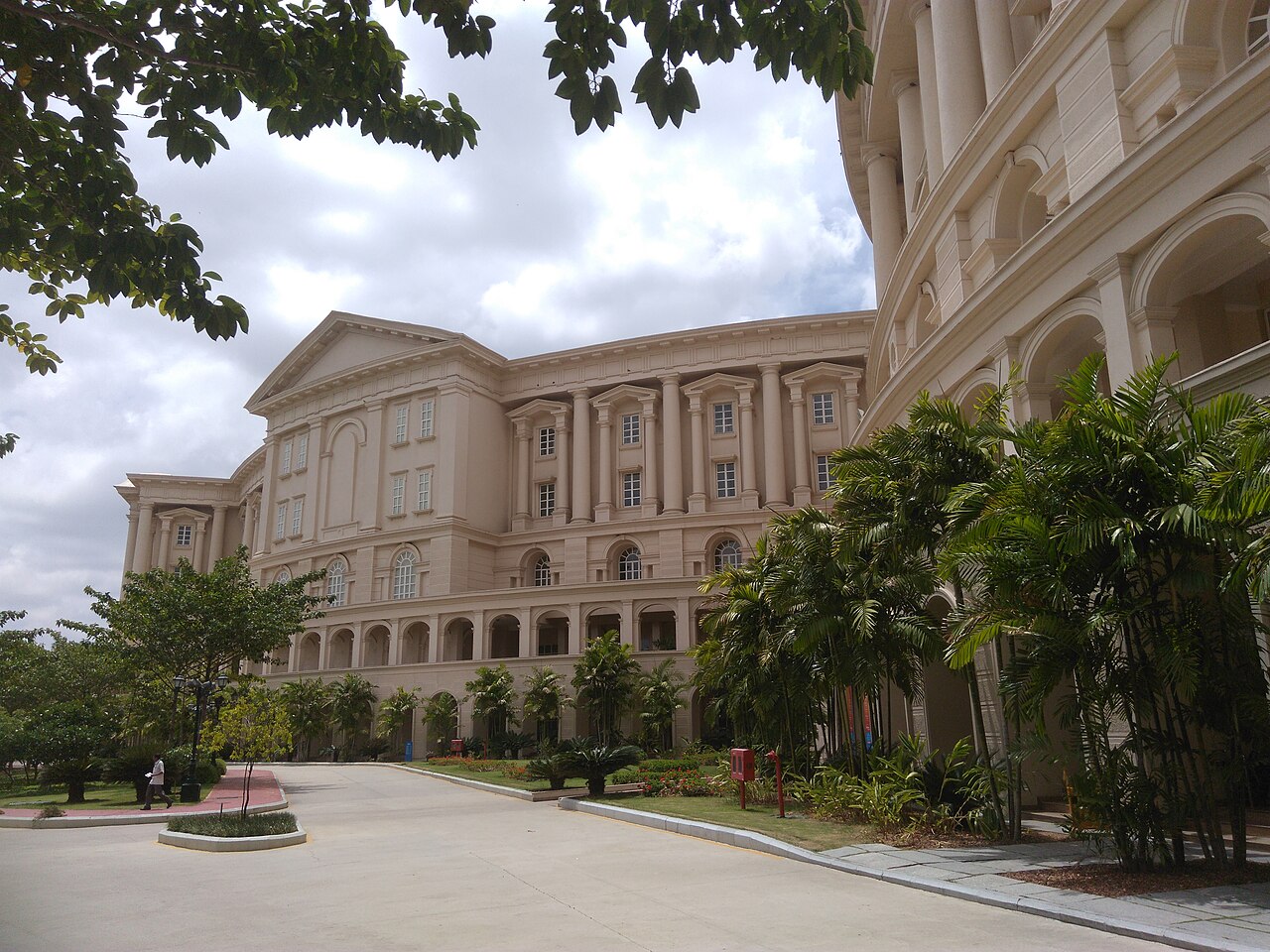
ఈ రోజు భారత ఐటీ పరిశ్రమ లక్షలాది మందికి ఉద్యోగాలు ఇస్తూ, దేశానికి భారీగా విదేశీ మారకం సంపాదిస్తోంది. తెలుగు రాష్ట్రాల్లో మధ్యతరగతి కుటుంబాల ఆర్థిక స్థితిని మార్చింది ఈ పరిశ్రమే. కానీ దీని ఆరంభం చాలా సాధారణంగా, కొన్నిసార్లు అనూహ్యంగా జరిగింది.
టీసీఎస్ — దేశంలో తొలి అడుగు (1968)
1968లో టాటా గ్రూప్ "టాటా కంప్యూటర్ సిస్టమ్స్" (టీసీఎస్)ను ప్రారంభించింది. మొదట్లో టాటా సంస్థల అంతర్గత అవసరాల కోసం పంచ్ కార్డుల సేవలు అందించేది. ఎఫ్.సి. కోహ్లి నాయకత్వంలో విదేశీ క్లయింట్లకు సాఫ్ట్వేర్ సేవలు అందించడం మొదలుపెట్టింది. అప్పట్లో కంప్యూటర్ల దిగుమతికి కూడా ప్రభుత్వ అనుమతులు కష్టంగా ఉండేవి. ఈ పరిమితుల్లోనే భారత ఇంజినీర్లను విదేశాలకు పంపి పనిచేయించే "ఆన్సైట్" నమూనా పుట్టింది. కోహ్లిని "భారత ఐటీ పితామహుడు"గా పిలుస్తారు.
ఇన్ఫోసిస్ — ₹10,000 కల (1981)
1981లో పుణేలో ఎన్.ఆర్. నారాయణ మూర్తి, మరో ఆరుగురు సహచరులు ఇన్ఫోసిస్ను ప్రారంభించారు. ప్రారంభ పెట్టుబడి కోసం నారాయణ మూర్తి భార్య సుధా మూర్తి తన దాచుకున్న పది వేల రూపాయలు ఇచ్చారన్న కథ ప్రసిద్ధం. ఒక టెలిఫోన్ కనెక్షన్ కోసం కూడా ఏళ్ల తరబడి ఎదురుచూడాల్సిన కాలం అది. 1999లో అమెరికా నాస్డాక్ స్టాక్ ఎక్స్ఛేంజ్లో లిస్ట్ అయిన తొలి భారత కంపెనీగా ఇన్ఫోసిస్ చరిత్ర సృష్టించింది. ఉద్యోగులకు స్టాక్ ఆప్షన్లు ఇచ్చి సాధారణ ఇంజినీర్లను కూడా సంపన్నులను చేసిన సంస్థగా పేరొందింది.
విప్రో — వంటనూనె నుంచి సాఫ్ట్వేర్ (1980లు)
విప్రో పూర్తి పేరు "వెస్టర్న్ ఇండియా వెజిటబుల్ ప్రొడక్ట్స్". 1945లో వంటనూనె కంపెనీగా ప్రారంభమైంది. 1966లో తండ్రి మరణంతో 21 ఏళ్ల అజీమ్ ప్రేమ్జీ అమెరికాలో చదువు మధ్యలో వదిలి కంపెనీ బాధ్యతలు చేపట్టారు. 1970ల చివర్లో ఐబీఎం భారత్ను వదిలి వెళ్లినప్పుడు ఏర్పడిన ఖాళీని గుర్తించి, కంప్యూటర్ హార్డ్వేర్, తర్వాత సాఫ్ట్వేర్ రంగంలోకి ప్రవేశించారు. ప్రేమ్జీ తర్వాత తన సంపదలో భారీ భాగాన్ని విద్యారంగ దాతృత్వానికి ఇచ్చి దేశంలోనే అగ్రశ్రేణి దాతల్లో ఒకరుగా నిలిచారు.
1991 సంస్కరణలు — తలుపులు తెరిచిన క్షణం
1991లో ప్రధాని పీవీ నరసింహారావు, ఆర్థిక మంత్రి మన్మోహన్ సింగ్ చేపట్టిన ఆర్థిక సంస్కరణలు ఐటీ రంగానికి ఊపిరి పోశాయి. దిగుమతి నియంత్రణలు సడలాయి. సాఫ్ట్వేర్ టెక్నాలజీ పార్కులు (ఎస్టీపీఐ) ఏర్పాటై, హై-స్పీడ్ డేటా లింకులు, పన్ను రాయితీలు అందాయి. విదేశీ కంపెనీలు భారత్లో కార్యాలయాలు తెరిచాయి.
వై2కే — అదృష్టపు మలుపు
1990ల చివర్లో ప్రపంచమంతా "వై2కే" సమస్యతో ఆందోళన చెందింది. పాత కంప్యూటర్ ప్రోగ్రామ్లు సంవత్సరాన్ని రెండు అంకెల్లో (99) నిల్వ చేయడంతో, 2000 సంవత్సరం వస్తే వ్యవస్థలు కుప్పకూలుతాయనే భయం. లక్షలాది లైన్ల పాత కోడ్ను సరిచేయడానికి తక్కువ ఖర్చుతో పనిచేసే నైపుణ్యం గల ఇంజినీర్లు కావాలి. భారత కంపెనీలు ఈ అవకాశాన్ని అందిపుచ్చుకున్నాయి. వై2కే పనులతో ఏర్పడిన నమ్మకం తర్వాత పెద్ద ప్రాజెక్టులకు దారితీసింది.
తెలుగు ఇంజినీర్ల ప్రపంచ ప్రయాణం
1990ల నుంచి తెలుగు రాష్ట్రాల్లో ఇంజినీరింగ్ కళాశాలలు వేగంగా పెరిగాయి. అమీర్పేట కోచింగ్ సెంటర్లు ఐటీ ఉద్యోగాలకు శిక్షణ కేంద్రాలుగా పేరొందాయి. హెచ్-1బీ వీసాలపై అమెరికా వెళ్లిన తెలుగు ఇంజినీర్ల సంఖ్య భారీగా పెరిగింది. అమెరికాలో వేగంగా పెరుగుతున్న భాషల్లో తెలుగు ఒకటని అక్కడి సర్వేలు చెబుతున్నాయి. హైదరాబాద్కు చెందిన సత్యం కంప్యూటర్స్ కూడా ఒకప్పుడు దేశంలో అగ్రశ్రేణి ఐటీ సంస్థల్లో ఒకటి — దాని కథ మరో వ్యాసంలో.
ఇప్పుడు ఏమిటి?
సేవల నుంచి ఉత్పత్తుల వైపు, ఔట్సోర్సింగ్ నుంచి గ్లోబల్ కేపబిలిటీ సెంటర్ల వైపు, సాధారణ కోడింగ్ నుంచి కృత్రిమ మేధ వైపు భారత ఐటీ పరిశ్రమ మారుతోంది. ఈ మార్పులో నిలబడాలంటే నిరంతర నైపుణ్యాభివృద్ధే మార్గం.
ముగింపు
పరిమిత వనరులు, కఠిన నిబంధనల మధ్య మొదలైన భారత ఐటీ కథ ఈ రోజు ప్రపంచానికి ఆదర్శం. ఒక మంచి ఆలోచన, పట్టుదల, సరైన సమయం కలిస్తే చిన్న ఆరంభం కూడా పెద్ద విప్లవంగా మారుతుందని ఈ కథ చెబుతుంది.
ఫోటో: L'Astorina / Wikimedia Commons (CC BY 4.0)
The story of Indian IT: How TCS, Infosys and Wipro took on the world
Today, the Indian IT industry employs millions and earns the country a huge amount of foreign exchange. It is this industry that has transformed the economic status of middle-class families in the Telugu states. But its beginnings were very ordinary, sometimes unexpected.
TCS — First step in the country (1968)
In 1968, the Tata Group launched "Tata Computer Systems" (TCS). Initially, it provided punch card services for the internal needs of Tata companies. Under the leadership of F.C. Kohli, it started providing software services to foreign clients. At that time, government permits were difficult to obtain even for the import of computers. It was within these constraints that the "onsite" model of sending Indian engineers to work abroad was born. Kohli is known as the "Father of Indian IT".
Infosys — ₹10,000 dream (1981)
In 1981, N.R. Narayana Murthy and six other colleagues started Infosys in Pune. The story is famous that Narayana Murthy's wife Sudha Murthy gave her savings of ten thousand rupees for the initial investment. At that time, even a telephone connection had to be waited for years. In 1999, Infosys created history by becoming the first Indian company to be listed on the US NASDAQ Stock Exchange. It is known as a company that gave stock options to employees and made even ordinary engineers rich.
Wipro — From cooking oil to software (1980s)
Wipro's full name is "Western India Vegetable Products". It started as a cooking oil company in 1945. After his father's death in 1966, 21-year-old Azim Premji left his studies in the US to take over the company. Recognizing the void created when IBM left India in the late 1970s, he entered the computer hardware and later software sectors. Premji later donated a large portion of his wealth to educational philanthropy, becoming one of the top donors in the country.
The 1991 reforms — the moment the doors opened
The economic reforms undertaken by Prime Minister PV Narasimha Rao and Finance Minister Manmohan Singh in 1991 gave a boost to the IT sector. Import controls were relaxed. Software Technology Parks (STPIs) were set up, high-speed data links and tax concessions were provided. Foreign companies opened offices in India.
Y2K — A Turn of Fortune
In the late 1990s, the world was concerned about the "Y2K" problem. Since old computer programs stored the year in two digits (99), there was a fear that systems would collapse if the year 2000 arrived. Skilled engineers were needed at low cost to fix millions of lines of old code. Indian companies seized this opportunity. The confidence built by the Y2K work later led to larger projects.
Telugu engineers' world journey
Engineering colleges have grown rapidly in Telugu states since the 1990s. Ameerpet coaching centers have become known as training centers for IT jobs. The number of Telugu engineers going to America on H-1B visas has increased dramatically. Surveys there show that Telugu is one of the fastest growing languages in America. Hyderabad-based Satyam Computers was also once one of the top IT companies in the country — its story in another article.
What now?
The Indian IT industry is shifting from services to products, from outsourcing to global capability centers, and from simple coding to artificial intelligence. Continuous skill development is the way to survive this change.
Conclusion
The story of India's IT, which began amidst limited resources and strict regulations, is an example for the world today. This story shows that even a small beginning can become a big revolution if a good idea, perseverance, and the right timing come together.
Photo: L'Astorina / Wikimedia Commons (CC BY 4.0)