
టెక్నాలజీ
భారత్లో నోకియా: అందరి చేతుల్లో ఉన్న ఫోన్ ఎదుగుదల, పతనం
నోకియా 1100 ప్రపంచవ్యాప్తంగా 25 కోట్లకు పైగా అమ్ముడైంది. పదేళ్లలోనే నోకియా తన ఫోన్ వ్యాపారాన్ని అమ్మేసింది. ఎక్కడ తప్పు జరిగింది?
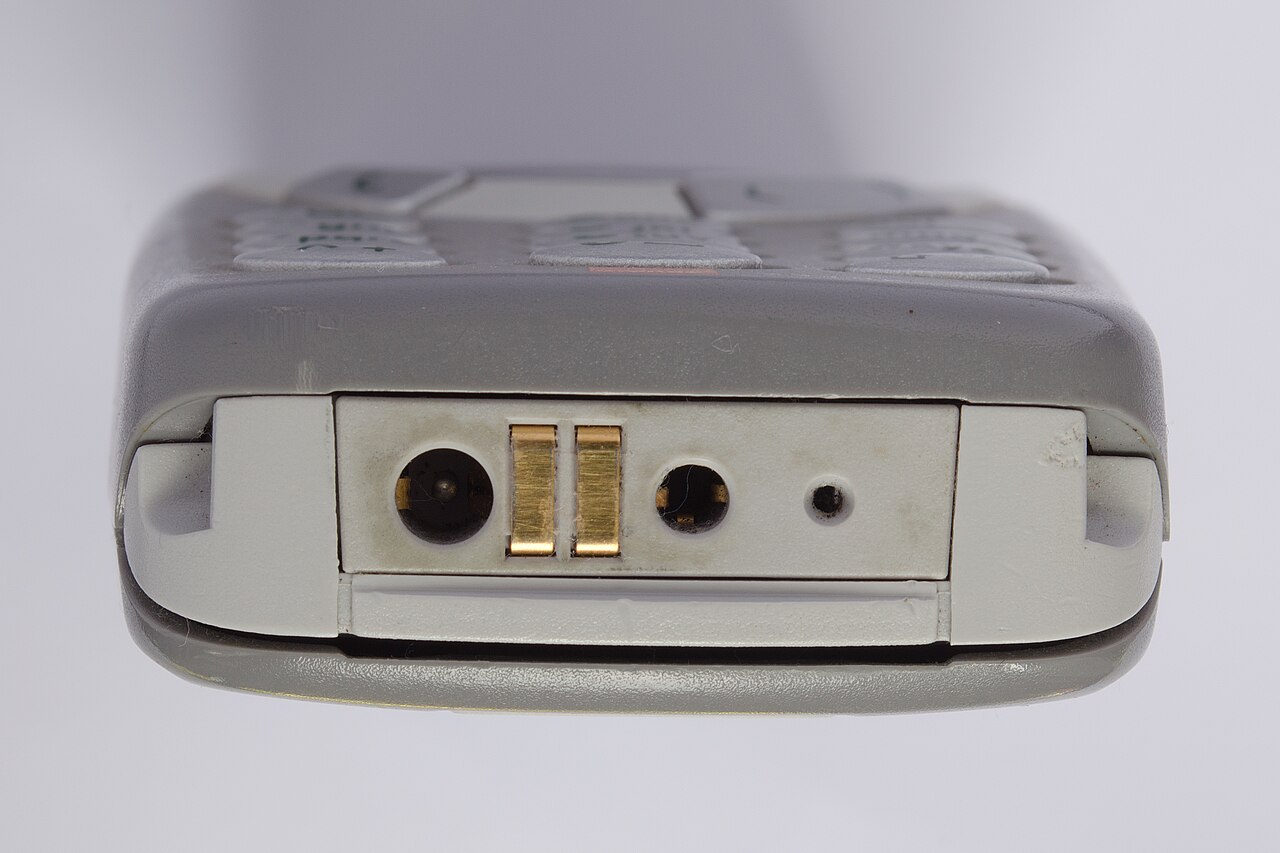
2000ల్లో పెరిగిన ఎవరిని అడిగినా వారి మొదటి ఫోన్ నోకియానే అని చెబుతారు. కింద పడినా పగలని ఫోన్, రోజుల తరబడి నిలిచే బ్యాటరీ, "స్నేక్" ఆట, ప్రసిద్ధ నోకియా ట్యూన్ — ఇవి ఒక తరం జ్ఞాపకాలు. భారత మొబైల్ మార్కెట్లో ఒకప్పుడు సగానికి పైగా వాటా నోకియాదే. కానీ కొన్నేళ్లలోనే ఆ సామ్రాజ్యం కుప్పకూలింది. ఈ కథ ప్రతి వ్యాపారవేత్తకు, విద్యార్థికి ఒక పాఠం.
పేపర్ మిల్లు నుంచి మొబైల్ దిగ్గజం
నోకియా ఫిన్లాండ్ దేశానికి చెందిన సంస్థ. 1865లో ఒక కాగితపు మిల్లుగా ప్రారంభమైంది. తర్వాత రబ్బరు, కేబుళ్లు, టీవీలు వంటి అనేక వ్యాపారాలు చేసింది. 1990ల్లో మొబైల్ ఫోన్లపై పూర్తి దృష్టి పెట్టి, కొద్దికాలంలోనే ప్రపంచంలో అతిపెద్ద ఫోన్ తయారీదారుగా ఎదిగింది.
భారత్ను అర్థం చేసుకున్న కంపెనీ
నోకియా విజయానికి ఒక ముఖ్య కారణం — భారత వినియోగదారుల అవసరాలను అర్థం చేసుకోవడం. దుమ్ము చొరబడని కీప్యాడ్, కరెంటు కోతల సమయంలో ఉపయోగపడే టార్చ్ లైట్, హిందీ, తెలుగు సహా ప్రాంతీయ భాషల్లో మెనూలు, గట్టి బాడీ — ఇవన్నీ గ్రామీణ భారతదేశానికి సరిపోయాయి. నోకియా 1100 ప్రపంచవ్యాప్తంగా 25 కోట్లకు పైగా అమ్ముడై, చరిత్రలో అత్యధికంగా అమ్ముడైన ఫోన్లలో ఒకటిగా నిలిచింది. చిన్న పట్టణాల వరకూ విస్తరించిన సర్వీస్ సెంటర్లు, డీలర్ నెట్వర్క్ కూడా బలం. 2006లో చెన్నై సమీపంలోని శ్రీపెరుంబుదూర్లో భారీ ఫ్యాక్టరీ ప్రారంభించింది. వేలాది మందికి ఉపాధి లభించింది.
2007 — ఆట మారిన సంవత్సరం
2007లో యాపిల్ ఐఫోన్ను, తర్వాత గూగుల్ ఆండ్రాయిడ్ను తెచ్చాయి. టచ్స్క్రీన్, యాప్ స్టోర్, వేగవంతమైన ఇంటర్నెట్ బ్రౌజింగ్ — ఫోన్ ఇక హార్డ్వేర్ కాదు, సాఫ్ట్వేర్ అయిపోయింది. నోకియా తన "సింబియన్" ఆపరేటింగ్ సిస్టమ్నే నమ్ముకుంది. అది పాత కీప్యాడ్ ఫోన్ల కోసం తయారైన వ్యవస్థ; టచ్స్క్రీన్ యుగానికి సరిపోలేదు. యాప్ డెవలపర్లు ఆండ్రాయిడ్, ఐఓఎస్ వైపు వెళ్లిపోయారు.
తప్పుడు నిర్ణయాలు
• ఆండ్రాయిడ్ను తిరస్కరించడం: ఆండ్రాయిడ్ను స్వీకరించి ఉంటే నోకియా బలమైన హార్డ్వేర్తో మార్కెట్ను నిలబెట్టుకునేదని చాలామంది విశ్లేషకుల అభిప్రాయం.
• విండోస్ ఫోన్ పందెం (2011): మైక్రోసాఫ్ట్ విండోస్ ఫోన్తో భాగస్వామ్యం కుదుర్చుకుంది. లూమియా ఫోన్లు అందంగా ఉన్నా, యాప్లు తక్కువగా ఉండటంతో వినియోగదారులు ఆసక్తి చూపలేదు.
• నెమ్మదైన నిర్ణయాలు: పెద్ద సంస్థల్లో ఉండే అధికార క్రమం, విజయ గర్వం మార్పును ఆలస్యం చేశాయి.
భారత మార్కెట్లో శాంసంగ్, తర్వాత మైక్రోమాక్స్ వంటి దేశీయ బ్రాండ్లు, ఆ తర్వాత చైనా బ్రాండ్లు తక్కువ ధరకే ఆండ్రాయిడ్ ఫోన్లు ఇచ్చి నోకియా వాటాను లాక్కున్నాయి.
అమ్మకం, ఫ్యాక్టరీ మూత
2013–14లో నోకియా తన మొబైల్ ఫోన్ వ్యాపారాన్ని మైక్రోసాఫ్ట్కు అమ్మేసింది. పన్ను వివాదాల నేపథ్యంలో శ్రీపెరుంబుదూర్ ఫ్యాక్టరీ 2014లో మూతపడింది. వేలాది మంది ఉద్యోగాలు కోల్పోయారు. తర్వాత "నోకియా" బ్రాండ్ పేరుతో ఫోన్లను వేరే కంపెనీ లైసెన్స్ కింద తయారుచేస్తోంది.
నోకియా ఇంకా బతికే ఉంది!
ఆశ్చర్యకరంగా, నోకియా సంస్థ మూతపడలేదు. ఇప్పుడు అది టెలికాం నెట్వర్క్ పరికరాల తయారీలో ప్రపంచంలోని ప్రధాన కంపెనీల్లో ఒకటి. మనం వాడే 4జీ, 5జీ నెట్వర్క్ల వెనుక నోకియా పరికరాలు ఉండే అవకాశం ఉంది. భారత్లో పెద్ద సంఖ్యలో ఇంజినీర్లు ఆ సంస్థలో పనిచేస్తున్నారు.
నేర్చుకోవాల్సిన పాఠాలు
1. ఈ రోజు విజయం రేపటి గ్యారంటీ కాదు.
2. వినియోగదారుల అవసరాలు మారుతున్నప్పుడు మనమూ మారాలి.
3. సాంకేతిక మార్పును ముందే పసిగట్టి, ధైర్యంగా నిర్ణయాలు తీసుకోవాలి.
4. ఒక రంగం నుంచి బయటపడినా, మరో రంగంలో కొత్తగా ఎదగవచ్చు.
ముగింపు
నోకియా కథ కేవలం ఒక ఫోన్ కంపెనీ కథ కాదు; అది మార్పును ఎదుర్కోవడంపై ఒక గొప్ప పాఠం. కృత్రిమ మేధ యుగంలో ప్రతి సంస్థ, ప్రతి ఉద్యోగి ఈ పాఠాన్ని గుర్తుంచుకోవాలి.
ఫోటో: Multicherry / Wikimedia Commons (CC BY-SA 4.0)
Nokia in India: The rise and fall of the phone everyone owned
Ask anyone who grew up in the 2000s and they will tell you that their first phone was a Nokia. The phone that didn't break even if you dropped it, the battery that lasted for days, the game "Snake", the famous Nokia tune — these are memories of a generation. Nokia once had more than half of the Indian mobile market. But within a few years, that empire collapsed. This story is a lesson for every businessman and student.
From paper mill to mobile giant
Nokia is a Finnish company. It started as a paper mill in 1865. It later expanded into many businesses, including rubber, cables, and TVs. In the 1990s, it focused entirely on mobile phones and quickly became the world's largest phone manufacturer.
A company that understands India
A key reason for Nokia's success — understanding the needs of Indian consumers. A dust-proof keypad, a torch light for use during power outages, menus in regional languages including Hindi and Telugu, and a sturdy body — all suited rural India. The Nokia 1100 became one of the best-selling phones in history, selling over 250 million units worldwide. Service centers and a dealer network that extended to small towns were also a strength. In 2006, a huge factory was opened in Sriperumbudur, near Chennai. Thousands of people were employed.
2007 — The year the game changed
In 2007, Apple introduced the iPhone, and then Google introduced Android. Touchscreens, app stores, fast internet browsing — the phone was no longer hardware, but software. Nokia relied on its "Symbian" operating system. It was designed for old keypad phones; it was not suitable for the touchscreen era. App developers moved to Android and iOS.
Wrong decisions
• Rejecting Android: Many analysts believe that Nokia would have retained the market with stronger hardware if it had adopted Android.
• Windows Phone bet (2011): Microsoft partnered with Windows Phone. Although Lumia phones were beautiful, users were not interested because of the lack of apps.
• Slow decisions: The hierarchy and pride in success in large organizations have delayed change.
In the Indian market, domestic brands like Samsung, then Micromax, and then Chinese brands took away Nokia's share by offering Android phones at lower prices.
Sale, factory closure
Nokia sold its mobile phone business to Microsoft in 2013–14. The Sriperumbudur factory was closed in 2014 amid tax disputes, causing thousands of job losses. The phones are now being manufactured under license by another company under the "Nokia" brand.
Nokia is still alive!
Surprisingly, Nokia did not close down. It is now one of the world's leading companies in the manufacture of telecom network equipment. Nokia equipment is likely to be behind the 4G and 5G networks we use. A large number of engineers in India work for the company.
Lessons to be learned
1. Today's success is no guarantee of tomorrow.
2. As consumer needs change, we must change too.
3. Anticipate technological change and make bold decisions.
4. Even if you leave one field, you can grow in another field.
Conclusion
The story of Nokia is not just the story of a phone company; it is a great lesson in coping with change. Every organization, every employee, should remember this lesson in the age of artificial intelligence.
Photo: Multicherry / Wikimedia Commons (CC BY-SA 4.0)