
భారత్
భారత ఎన్నికలు ఎలా జరుగుతాయి? ఎన్నికల సంఘం, ఈవీఎం, వీవీప్యాట్ వివరణ
ఓటరుగా నమోదు నుంచి లెక్కింపు రోజు వరకు — ప్రపంచంలోనే అతిపెద్ద ఎన్నికల ప్రక్రియ ఎలా జరుగుతుంది, ఈవీఎం, వీవీప్యాట్ ఏం చేస్తాయి, ప్రతి ఓటరు తెలుసుకోవాల్సిన యాప్లు.
భారతదేశంలో లోక్సభ ఎన్నికలు ప్రపంచంలోనే అతిపెద్ద ప్రజాస్వామ్య ప్రక్రియ. కోట్లాది ఓటర్లు, లక్షలాది పోలింగ్ కేంద్రాలు, హిమాలయ గ్రామాల నుంచి అండమాన్ దీవుల వరకు. ఈ భారీ ప్రక్రియ ఎలా జరుగుతుందో దశలవారీగా తెలుసుకుందాం.
ఎన్నికల సంఘం — స్వతంత్ర సంస్థ
రాజ్యాంగంలోని 324వ అధికరణం ప్రకారం ఏర్పడిన భారత ఎన్నికల సంఘం (ఈసీఐ) లోక్సభ, రాజ్యసభ, రాష్ట్ర శాసనసభలు, రాష్ట్రపతి, ఉపరాష్ట్రపతి ఎన్నికలను నిర్వహిస్తుంది. ప్రధాన ఎన్నికల కమిషనర్, ఇద్దరు ఎన్నికల కమిషనర్లు ఉంటారు. పంచాయతీ, మున్సిపల్ ఎన్నికలను మాత్రం రాష్ట్ర ఎన్నికల సంఘాలు నిర్వహిస్తాయి. జనవరి 25న ఎన్నికల సంఘం ఏర్పాటు దినాన్ని "జాతీయ ఓటర్ల దినోత్సవం"గా జరుపుకుంటాం.
దశ 1: ఓటరుగా నమోదు
18 ఏళ్లు నిండిన ప్రతి భారత పౌరుడు ఓటు హక్కుకు అర్హుడు. ఏడాదిలో నిర్ణీత అర్హత తేదీల ఆధారంగా కొత్త ఓటర్లు నమోదు చేసుకోవచ్చు. "వోటర్ హెల్ప్లైన్" యాప్ లేదా ఎన్నికల సంఘం పోర్టల్లో ఆన్లైన్లో దరఖాస్తు చేయవచ్చు. బూత్ స్థాయి అధికారి (బీఎల్ఓ) మీ చిరునామాను పరిశీలిస్తారు. మీ పేరు ఓటర్ల జాబితాలో ఉందో లేదో ఎన్నికలకు ముందే తనిఖీ చేసుకోండి — "నా పేరు జాబితాలో లేదు" అని పోలింగ్ రోజు తెలిస్తే ఏమీ చేయలేం.
దశ 2: షెడ్యూల్, ప్రవర్తనా నియమావళి
ఎన్నికల షెడ్యూల్ ప్రకటించిన క్షణం నుంచి "ఆదర్శ ప్రవర్తనా నియమావళి" అమలులోకి వస్తుంది. ప్రభుత్వాలు కొత్త పథకాలు ప్రకటించకూడదు, అధికార యంత్రాంగాన్ని ప్రచారానికి వాడకూడదు, కుల–మత ప్రాతిపదికన ఓట్లు అడగకూడదు. ఉల్లంఘనలను పౌరులు "సీవిజిల్" యాప్ ద్వారా ఫోటో, వీడియోతో ఫిర్యాదు చేయవచ్చు.
దశ 3: నామినేషన్లు
అభ్యర్థులు నామినేషన్ పత్రాలతో పాటు తమ ఆస్తులు, అప్పులు, విద్యార్హతలు, క్రిమినల్ కేసుల వివరాలతో అఫిడవిట్ సమర్పించాలి. ఈ అఫిడవిట్లు ఎన్నికల సంఘం వెబ్సైట్లో, "నో యువర్ క్యాండిడేట్" యాప్లో అందరికీ అందుబాటులో ఉంటాయి. ఓటు వేసే ముందు మీ అభ్యర్థి గురించి తెలుసుకోండి.
ఈవీఎం — ఎలక్ట్రానిక్ ఓటింగ్ యంత్రం
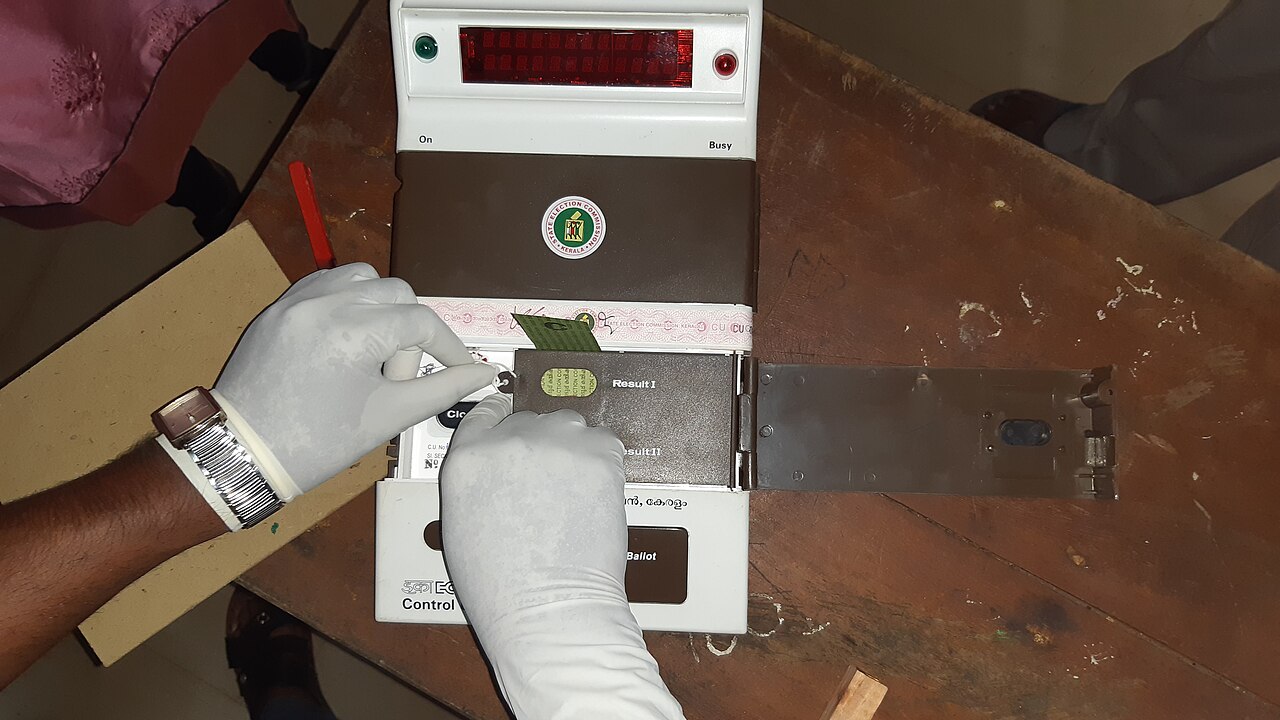
భారత్లో ఈవీఎంను తొలిసారి 1982లో కేరళలోని ఒక నియోజకవర్గంలో ప్రయోగాత్మకంగా వాడారు. 2004 లోక్సభ ఎన్నికల నుంచి దేశమంతా ఈవీఎంలే. ఈవీఎంలో రెండు భాగాలు:
• బ్యాలెట్ యూనిట్: ఓటరు నొక్కే బటన్లు, అభ్యర్థుల పేర్లు, గుర్తులు.
• కంట్రోల్ యూనిట్: పోలింగ్ అధికారి వద్ద ఉండి ఓట్లను నిల్వ చేస్తుంది. ఈవీఎంలు బ్యాటరీతో పనిచేస్తాయి, ఇంటర్నెట్ లేదా ఏ నెట్వర్క్కూ అనుసంధానం కావు. ప్రభుత్వ రంగ సంస్థలైన బీఈఎల్, ఈసీఐఎల్ (హైదరాబాద్) వీటిని తయారుచేస్తాయి.
వీవీప్యాట్ — మీ ఓటుకు రసీదు
ఓటర్ వెరిఫైయబుల్ పేపర్ ఆడిట్ ట్రయిల్ (వీవీప్యాట్). మీరు బటన్ నొక్కిన తర్వాత, పక్కనే ఉన్న యంత్రం అద్దంలో మీరు ఓటు వేసిన అభ్యర్థి పేరు, గుర్తుతో కూడిన కాగితపు స్లిప్ సుమారు 7 సెకన్లు కనిపిస్తుంది. తర్వాత అది సీల్డ్ బాక్సులో పడిపోతుంది. 2013లో తొలిసారి వాడిన వీవీప్యాట్లు 2019 నుంచి అన్ని పోలింగ్ కేంద్రాల్లో ఉన్నాయి. లెక్కింపు రోజు ప్రతి అసెంబ్లీ సెగ్మెంట్లో యాదృచ్ఛికంగా ఎంపిక చేసిన కొన్ని వీవీప్యాట్ల స్లిప్పులను లెక్కించి ఈవీఎం ఫలితంతో సరిపోల్చుతారు.
నోటా
2013 నుంచి ఈవీఎంలో "పై వారెవరూ కాదు" (నోటా) బటన్ ఉంది. ఏ అభ్యర్థీ నచ్చకపోతే ఓటరు దీన్ని ఎంచుకోవచ్చు. అయితే నోటాకు ఎక్కువ ఓట్లు వచ్చినా, ఎక్కువ ఓట్లు సాధించిన అభ్యర్థే గెలుస్తారు.
పోలింగ్ రోజు — ఏం తీసుకెళ్లాలి?
ఓటర్ గుర్తింపు కార్డు (ఎపిక్). అది లేకపోతే ఆధార్, పాస్పోర్ట్, డ్రైవింగ్ లైసెన్స్, పాన్ కార్డు వంటి ఎన్నికల సంఘం ఆమోదించిన ఫోటో గుర్తింపు పత్రాల్లో ఏదైనా ఒకటి. ఓటు వేశాక వేలికి సిరా గుర్తు పెడతారు — అది కొన్ని రోజులు చెరగదు.
లెక్కింపు
నిర్ణీత రోజు భద్రత మధ్య స్ట్రాంగ్ రూముల నుంచి ఈవీఎంలను తెచ్చి, అభ్యర్థుల ఏజెంట్ల సమక్షంలో రౌండ్లవారీగా లెక్కిస్తారు. ముందుగా పోస్టల్ బ్యాలెట్లు లెక్కిస్తారు. ఫలితాలు ఎన్నికల సంఘం వెబ్సైట్లో రియల్టైమ్లో అప్డేట్ అవుతాయి.
ముగింపు
"ఒక ఓటుతో ఏం మారుతుంది?" అనుకోకండి — 1999లో కేంద్ర ప్రభుత్వం ఒక్క ఓటు తేడాతో కూలిపోయింది. ఓటరుగా నమోదు చేసుకోండి, మీ అభ్యర్థి గురించి తెలుసుకోండి, ప్రతి ఎన్నికలో తప్పకుండా ఓటు వేయండి. ప్రజాస్వామ్యానికి మీరే యజమాని.
ఫోటో: Shagil Kannur / Wikimedia Commons (CC BY-SA 4.0)
How Indian elections work: The Election Commission, EVMs and VVPAT explained
The Lok Sabha elections in India are the world's largest democratic process. With crores of voters, lakhs of polling stations, from Himalayan villages to the Andaman Islands. Let's find out step by step how this huge process takes place.
Election Commission — an independent body
The Election Commission of India (ECI), constituted under Article 324 of the Constitution, conducts elections to the Lok Sabha, Rajya Sabha, State Legislative Assemblies, the President and the Vice President. There is a Chief Election Commissioner and two Election Commissioners. Panchayat and Municipal elections are conducted by the State Election Commissions. The day of the formation of the Election Commission on 25th January is celebrated as "National Voters' Day".
Step 1: Register as a voter
Every Indian citizen who has completed 18 years of age is eligible to vote. New voters can register based on the eligibility dates specified during the year. You can apply online through the "Voter Helpline" app or the Election Commission portal. The Booth Level Officer (BLO) will verify your address. Check whether your name is in the voters' list before the election — there is nothing you can do if you find out on polling day that "my name is not in the list".
Step 2: Schedule, Code of Conduct
The "Model Code of Conduct" will come into effect from the moment the election schedule is announced. Governments should not announce new schemes, use the machinery of government for campaigning, and should not ask for votes on the basis of caste and religion. Citizens can report violations through the "CiVigil" app with photos and videos.
Step 3: Nominations
Candidates must submit an affidavit along with their nomination papers detailing their assets, debts, educational qualifications, and criminal cases. These affidavits are available to everyone on the Election Commission's website and the "Know Your Candidate" app. Know your candidate before you vote.
EVM — Electronic Voting Machine
EVMs were first used in India in 1982 on an experimental basis in a constituency in Kerala. EVMs have been used throughout the country since the 2004 Lok Sabha elections. EVMs consist of two parts:
• Ballot unit: buttons that the voter presses, candidate names, and symbols.
• Control Unit: It is located with the polling officer and stores the votes. EVMs are battery operated and are not connected to the internet or any network. They are manufactured by public sector undertakings BEL and ECIL (Hyderabad).
VVPAT — a receipt for your vote
Voter Verifiable Paper Audit Trail (VVPAT). After you press the button, a paper slip with the name and symbol of the candidate you voted for appears on the mirror of the machine next to you for about 7 seconds. Then it falls into a sealed box. VVPATs, which were first used in 2013, have been in all polling stations since 2019. On the counting day, a few randomly selected VVPAT slips in each assembly segment are counted and compared with the EVM results.
Note
Since 2013, EVMs have had a "None of the Above" (NOTA) button. Voters can choose this if they don't like any candidate. However, even if NOTA gets the most votes, the candidate with the most votes wins.
Polling Day — What to Bring?
Voter Identity Card (Voter Identity Card). If not, any other photo identification document approved by the Election Commission such as Aadhaar, Passport, Driving License, PAN Card. After voting, an ink mark is applied to the finger — it is permanent for a few days.
Calculation
On the appointed day, EVMs are brought from the strong rooms under security and counted in rounds in the presence of candidates' agents. Postal ballots are counted first. The results are updated in real time on the Election Commission's website.
Conclusion
Don't think, "What will change with one vote?" — the central government collapsed by a single vote in 1999. Register as a voter, know your candidate, and vote in every election. You are the owner of democracy.
Photo: Shagil Kannur / Wikimedia Commons (CC BY-SA 4.0)