
తెలంగాణ
హైదరాబాద్ మెట్రో: ఎలా నిర్మించారు? తర్వాత ఎక్కడికి?
మూడు కారిడార్లు, సుమారు 69 కిలోమీటర్లు, ప్రపంచంలోనే అతిపెద్ద ప్రభుత్వ–ప్రైవేట్ భాగస్వామ్య మెట్రోల్లో ఒకటి — ఇప్పటివరకు కథ, రెండో దశ ప్రణాళికలు.
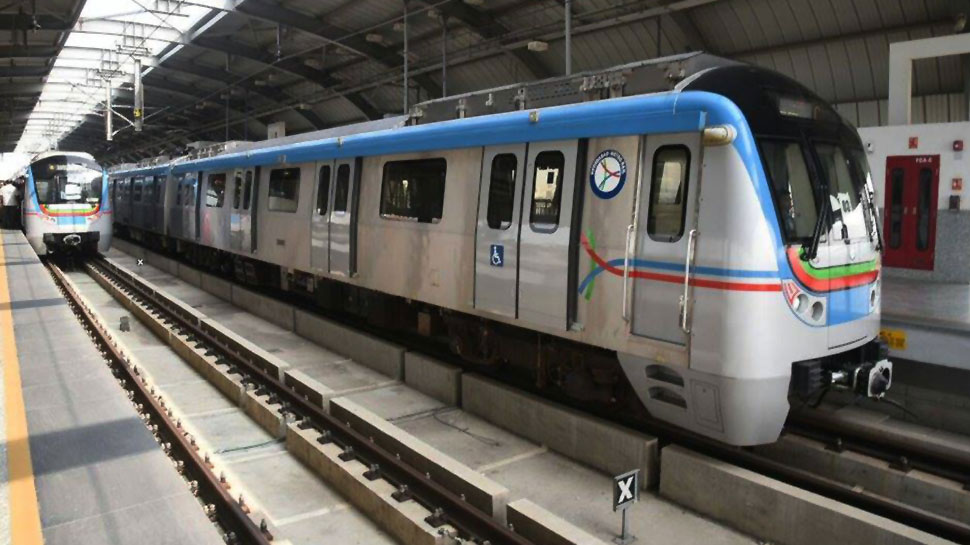
ఉదయం 8 గంటలకు అమీర్పేట మెట్రో స్టేషన్ — వేలాది మంది ఉద్యోగులు, విద్యార్థులు రైళ్లు మారుతూ కనిపిస్తారు. ట్రాఫిక్లో గంటల తరబడి ఇరుక్కుపోయే నగరంలో మెట్రో ఇప్పుడు లక్షలాది మంది రోజువారీ జీవితంలో భాగం. ఈ ప్రాజెక్టు ఎలా రూపుదిద్దుకుందో చూద్దాం.
ప్రణాళిక — భిన్నమైన నమూనా
దిల్లీ మెట్రో వంటి చాలా ప్రాజెక్టులను ప్రభుత్వమే నిర్మిస్తుంది. కానీ హైదరాబాద్ మెట్రోను ప్రభుత్వ–ప్రైవేట్ భాగస్వామ్య (పీపీపీ) పద్ధతిలో నిర్మించారు. ఉమ్మడి రాష్ట్ర ప్రభుత్వ హయాంలో ఎల్ అండ్ టీ సంస్థకు ఈ ప్రాజెక్టు దక్కింది. నిర్మాణ ఖర్చు ఎక్కువ భాగం ప్రైవేట్ సంస్థ భరిస్తుంది; బదులుగా టికెట్ ఆదాయం, స్టేషన్ల వద్ద వాణిజ్య స్థలాలు, రియల్ ఎస్టేట్ అభివృద్ధి ద్వారా నిర్ణీత కాలం ఆదాయం పొందుతుంది. ఈ పద్ధతిలో నిర్మించిన ప్రపంచంలోనే అతిపెద్ద మెట్రో ప్రాజెక్టుల్లో ఇది ఒకటిగా పేరొందింది.
నిర్మాణ సవాళ్లు
జనసాంద్రత ఎక్కువగా ఉన్న నగరం మధ్యలో, ట్రాఫిక్ నడుస్తుండగానే ఎత్తైన (ఎలివేటెడ్) మార్గాన్ని నిర్మించడం పెద్ద సవాలు. భూసేకరణ, ఆస్తుల తొలగింపు, చారిత్రక కట్టడాల రక్షణ, సుల్తాన్ బజార్ వంటి వ్యాపార ప్రాంతాల్లో అభ్యంతరాలు, రాష్ట్ర విభజన సమయంలో అనిశ్చితి — ఇవన్నీ ప్రాజెక్టును ఆలస్యం చేశాయి. పాతబస్తీలో చారిత్రక కట్టడాలు, మసీదులు, ఆలయాల కారణంగా మార్గం ఖరారు కావడం కష్టమైంది.
ప్రారంభం (2017)
2017 నవంబర్ 28న ప్రధాని నరేంద్ర మోదీ నాగోల్–మియాపూర్ మధ్య సుమారు 30 కిలోమీటర్ల మార్గాన్ని ప్రారంభించారు. తర్వాతి రెండేళ్లలో మిగతా విభాగాలు పూర్తయ్యాయి. 2020 ప్రారంభంలో జేబీఎస్–ఎంజీబీఎస్ మార్గంతో మొదటి దశ పూర్తయింది.
మూడు కారిడార్లు
1. రెడ్ లైన్: మియాపూర్ – ఎల్బీ నగర్
2. బ్లూ లైన్: నాగోల్ – రాయదుర్గం (హైటెక్ సిటీ ప్రాంతం)
3. గ్రీన్ లైన్: జేబీఎస్ (జూబ్లీ బస్ స్టేషన్) – ఎంజీబీఎస్ (మహాత్మా గాంధీ బస్ స్టేషన్)
మొత్తం సుమారు 69 కిలోమీటర్లు, 57 స్టేషన్లు. అమీర్పేట, ఎంజీబీఎస్, పరేడ్ గ్రౌండ్ వంటి ఇంటర్చేంజ్ స్టేషన్లలో లైన్లు మారవచ్చు.
ప్రయోజనాలు
• ట్రాఫిక్ సమయంతో సంబంధం లేకుండా నిర్ణీత సమయంలో ప్రయాణం.
• ఐటీ కారిడార్కు వెళ్లే ఉద్యోగులకు పెద్ద ఊరట.
• మహిళలకు ప్రత్యేక కోచ్, సీసీటీవీ భద్రత.
• కాలుష్యం తక్కువ, ఇంధన ఆదా.
• స్టేషన్ల చుట్టూ వాణిజ్య అభివృద్ధి.
సవాళ్లు
• చివరి మైలు సమస్య: స్టేషన్ నుంచి ఇంటికి, ఆఫీసుకు చేరడానికి సరైన బస్సులు, షటిల్స్ లేకపోవడం.
• పార్కింగ్: స్టేషన్ల వద్ద వాహనాల పార్కింగ్ కొరత.
• రద్దీ: పీక్ అవర్స్లో కొన్ని మార్గాల్లో విపరీతమైన రద్దీ; ఎక్కువ కోచ్ల అవసరం.
• ఆర్థిక భారం: కోవిడ్ కాలంలో ప్రయాణికులు తగ్గడంతో నిర్వహణ సంస్థకు నష్టాలు వచ్చాయని నివేదికలు వచ్చాయి.
రెండో దశ — ప్రణాళికలు
తెలంగాణ ప్రభుత్వం మెట్రో విస్తరణకు పలు ప్రతిపాదనలు ప్రకటించింది:
• శంషాబాద్ విమానాశ్రయానికి మెట్రో అనుసంధానం.
• పాతబస్తీకి — ఎంజీబీఎస్ నుంచి చాంద్రాయణగుట్ట దిశగా — మెట్రో విస్తరణ.
• నగర శివార్లలోని కొత్త అభివృద్ధి ప్రాంతాలకు మార్గాలు.
రెండో దశ కోసం కేంద్ర ప్రభుత్వ ఆమోదం, నిధుల సమీకరణ, అమలు నమూనాపై చర్చలు కొనసాగుతున్నాయి. తాజా స్థితి కోసం అధికారిక ప్రకటనలు చూడండి.
ప్రయాణికులకు టిప్స్
• స్మార్ట్ కార్డ్ లేదా మొబైల్ క్యూఆర్ టికెట్ వాడితే క్యూలో నిలబడాల్సిన అవసరం ఉండదు.
• రద్దీ సమయాలు (ఉదయం 8–10, సాయంత్రం 5–8) తప్పిస్తే సౌకర్యంగా ప్రయాణించవచ్చు.
• స్టేషన్లలో బైక్, సైకిల్ షేరింగ్ సదుపాయాలు ఉపయోగించుకోండి.
ముగింపు
మెట్రో ఒక్కటే నగర ట్రాఫిక్ సమస్యకు పరిష్కారం కాదు. బస్సులు, ఎంఎంటీఎస్ రైళ్లు, మెట్రో అన్నీ కలిసి ఒకే వ్యవస్థగా పనిచేసినప్పుడే హైదరాబాద్ నిజమైన "మొబిలిటీ సిటీ" అవుతుంది.
ఫోటో: SSS8888 / Wikimedia Commons (CC BY-SA 4.0)
Hyderabad Metro: How it was built and where it goes next
Ameerpet Metro Station at 8 am — Thousands of employees and students are seen changing trains. In a city where traffic jams used to last for hours, the Metro is now a part of daily life for millions. Let's see how this project has taken shape.
Planning — a different model
Most projects like the Delhi Metro are built by the government. But the Hyderabad Metro was built under the Public-Private Partnership (PPP) model. The project was awarded to L&T during the tenure of the joint state government. The private company bears most of the construction cost; in return, it earns revenue over a fixed period through ticket revenue, commercial space at the stations, and real estate development. It is known as one of the largest metro projects in the world built under this model.
Construction challenges
Building an elevated road in the middle of a densely populated city, while traffic is moving, is a big challenge. Land acquisition, removal of assets, protection of historical monuments, objections in commercial areas like Sultan Bazaar, and uncertainty during the state's bifurcation — all of these have delayed the project. The historic monuments, mosques, and temples in the old city made it difficult to finalize the route.
The Beginning (2017)
On 28 November 2017, Prime Minister Narendra Modi inaugurated the approximately 30 km stretch between Nagole and Miyapur. The remaining sections were completed in the next two years. The first phase, with the JBS-MGBS stretch, was completed in early 2020.
Three corridors
1. Red Line: Miyapur – LB Nagar
2. Blue Line: Nagole – Rayadurgam (Hi-Tech City area)
3. Green Line: JBS (Jubilee Bus Station) – MGBS (Mahatma Gandhi Bus Station)
Total length is about 69 km and 57 stations. Lines may change at interchange stations like Ameerpet, MGBS, Parade Ground.
Benefits
• Travel at the scheduled time regardless of traffic conditions.
• A big relief for employees moving to the IT corridor.
• Special coach for women, CCTV security.
• Less pollution, energy saving.
• Commercial development around stations.
Challenges
• Last mile problem: Lack of proper buses and shuttles to reach home and office from the station.
• Parking: Lack of vehicle parking at stations.
• Congestion: Extreme congestion on some routes during peak hours; more coaches needed.
• Financial burden: There have been reports that the management company has incurred losses due to a decrease in passengers during the Covid period.
Second stage — plans
The Telangana government has announced several proposals for the expansion of the Metro:
• Metro connection to Shamshabad Airport.
• Metro extension to Old Town — from MGBS towards Chandrayangutta.
• Routes to new development areas on the outskirts of the city.
Discussions are ongoing on central government approval, funding, and implementation model for the second phase. Please see official announcements for the latest status.
Tips for travelers
• There is no need to stand in queue if you use a smart card or mobile QR ticket.
• You can travel comfortably if you avoid rush hours (8–10 am, 5–8 pm).
• Use bike and cycle sharing facilities at stations.
Conclusion
Metro alone is not the solution to the city's traffic problem. Hyderabad will become a true "Mobility City" only when buses, MMTS trains, and the Metro all work together as a single system.
Photo: SSS8888 / Wikimedia Commons (CC BY-SA 4.0)