
తెలంగాణ
హైదరాబాద్ 430 ఏళ్ల కథ: గోల్కొండ, చార్మినార్ నుంచి సైబరాబాద్ వరకు
కుతుబ్షాహీలు, వజ్రాల వ్యాపారం, ఔరంగజేబు ముట్టడి, నిజాంలు, 1908 వరద, ఐటీ విప్లవం — భారతదేశపు గొప్ప నగరాల్లో ఒకదాని జీవిత కథ.
బిర్యానీ, చార్మినార్, ఇరానీ చాయ్, ముత్యాలు, హైటెక్ సిటీ — హైదరాబాద్ అనగానే ఇవన్నీ గుర్తొస్తాయి. నాలుగు శతాబ్దాలకు పైగా చరిత్ర ఉన్న ఈ నగరం ఎన్నో రాజవంశాలు, ఎన్నో సంస్కృతుల కలయిక. ఆ చరిత్రను క్లుప్తంగా చూద్దాం.
కాకతీయుల నుంచి కుతుబ్షాహీల వరకు
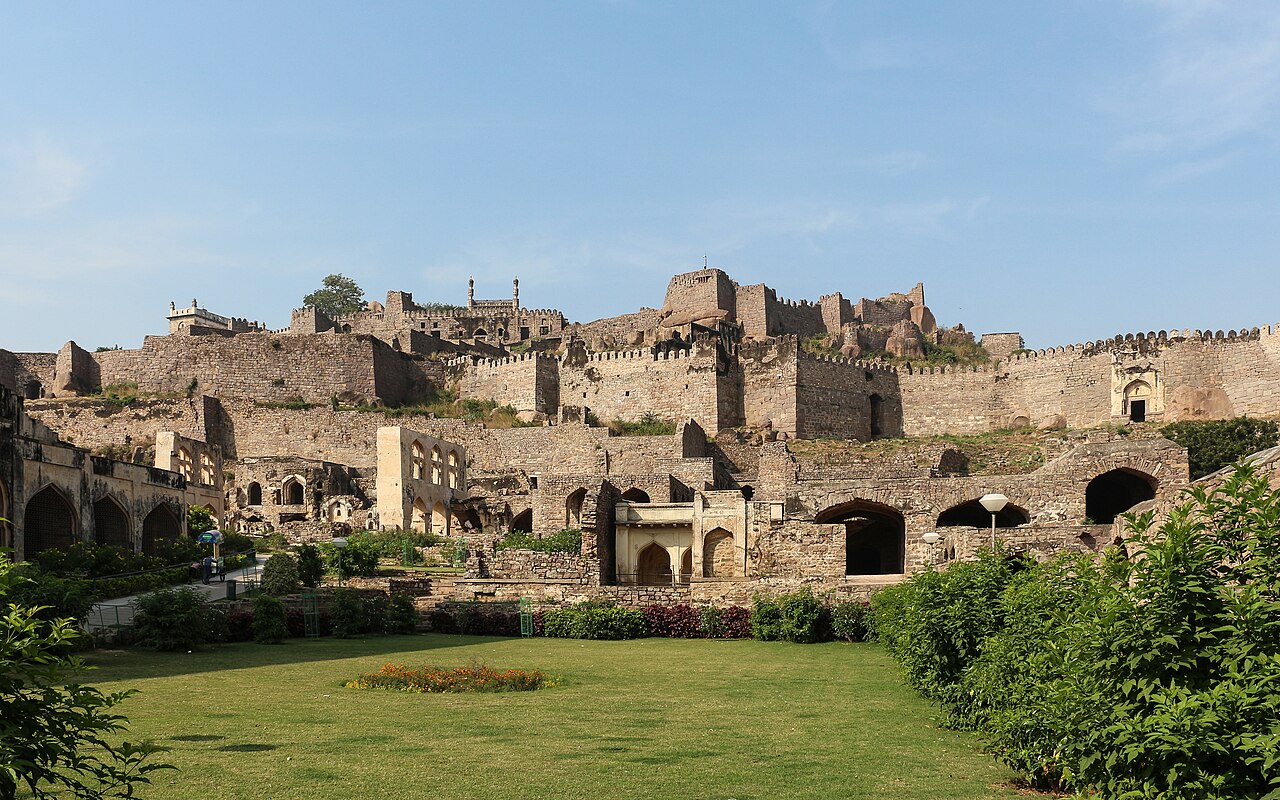
నగరానికి పశ్చిమాన ఉన్న గోల్కొండ కొండపై మొదట కాకతీయుల కాలంలో మట్టి కోట ఉండేదని చరిత్రకారులు చెబుతారు. తర్వాత బహమనీ సుల్తానుల అధీనంలోకి వచ్చింది. 1518లో బహమనీ రాజ్యం విచ్ఛిన్నమైనప్పుడు, గోల్కొండ గవర్నర్ సుల్తాన్ కులీ కుతుబ్ ముల్క్ స్వతంత్రుడై కుతుబ్షాహీ వంశాన్ని స్థాపించారు. గోల్కొండ కోటను గ్రానైట్ రాళ్లతో బలమైన దుర్గంగా విస్తరించారు. కోట ప్రవేశ ద్వారం వద్ద చప్పట్లు కొడితే శిఖరంపై వినిపించే ధ్వని వ్యవస్థ ఇప్పటికీ పర్యాటకులను ఆశ్చర్యపరుస్తుంది.
వజ్రాల రాజధాని
కృష్ణా నదీ పరీవాహకంలోని గనుల నుంచి వచ్చిన వజ్రాలకు గోల్కొండ ప్రపంచ మార్కెట్గా పేరొందింది. ప్రసిద్ధ "కోహినూర్" వజ్రం కూడా గోల్కొండ గనుల నుంచే వచ్చిందని చెబుతారు. యూరప్ నుంచి వ్యాపారులు ఇక్కడికి వచ్చేవారు. "గోల్కొండ" అనే పదం ఒకప్పుడు యూరోపియన్ భాషల్లో "అపార సంపద"కు పర్యాయపదం.
హైదరాబాద్ పుట్టుక, చార్మినార్ (1591)
గోల్కొండ కోటలో జనాభా పెరిగి, నీటి కొరత ఏర్పడటంతో ఐదో కుతుబ్షా మహమ్మద్ కులీ కుతుబ్షా మూసీ నది దక్షిణ ఒడ్డున కొత్త నగరాన్ని నిర్మించారు. 1591లో నగర కేంద్రంలో చార్మినార్ నిర్మించారు — నాలుగు మినార్లు, నాలుగు దిక్కులకు నాలుగు రహదారులు. అప్పట్లో వ్యాపించిన ప్లేగు వ్యాధి అంతమైనందుకు కృతజ్ఞతగా దీన్ని నిర్మించారనే కథ ప్రచారంలో ఉంది. మహమ్మద్ కులీ స్వయంగా ఉర్దూ, తెలుగు, పర్షియన్ భాషల్లో కవి. భాగమతి అనే స్త్రీ పేరు మీద నగరానికి "భాగ్యనగరం" అనే పేరు వచ్చిందని ఒక ప్రసిద్ధ కథనం ఉంది; దీనిపై చరిత్రకారుల్లో భిన్నాభిప్రాయాలు ఉన్నాయి. మక్కా మసీదు నిర్మాణం కూడా కుతుబ్షాహీల కాలంలోనే మొదలైంది.
ఔరంగజేబు ముట్టడి (1687)
1687లో మొఘల్ చక్రవర్తి ఔరంగజేబు గోల్కొండను ఎనిమిది నెలల పాటు ముట్టడించారు. చివరికి ఒక ద్రోహి కోట తలుపులు తెరవడంతో కోట పతనమైందని చరిత్ర చెబుతుంది. చివరి కుతుబ్షా అబుల్ హసన్ తానీషాను బందీ చేశారు. తానీషా ఆస్థానంలో మంత్రులుగా పనిచేసిన అక్కన్న, మాదన్న సోదరులు, భద్రాచలం ఆలయాన్ని నిర్మించిన కంచర్ల గోపన్న (భక్త రామదాసు) కథలు ఈ కాలానికి చెందినవే.
అసఫ్జాహీలు — నిజాంల పాలన (1724–1948)
మొఘల్ సామ్రాజ్యం బలహీనపడినప్పుడు, దక్కన్ సుబేదార్ మీర్ ఖమరుద్దీన్ ఖాన్ (నిజాం-ఉల్-ముల్క్) 1724లో స్వతంత్రుడై అసఫ్జాహీ వంశాన్ని స్థాపించారు. తర్వాత రాజధాని హైదరాబాద్కు మారింది. బ్రిటిష్తో ఒప్పందాల ఫలితంగా 1806 ప్రాంతంలో సికింద్రాబాద్ కంటోన్మెంట్ ఏర్పడింది — "జంట నగరాలు" అలా రూపుదిద్దుకున్నాయి. చౌమహల్లా ప్యాలెస్, ఫలక్నుమా ప్యాలెస్, సాలార్జంగ్ మ్యూజియంలోని అపురూప కళాఖండాలు ఈ కాలపు వైభవానికి సాక్ష్యాలు.
ఆధునీకరణ
ఏడవ నిజాం మీర్ ఉస్మాన్ అలీ ఖాన్ కాలంలో (1911–1948) హైదరాబాద్ ఆధునిక నగరంగా మారింది. 1908 వరద తర్వాత ఉస్మాన్ సాగర్, హిమాయత్ సాగర్ జలాశయాలు, ఉస్మానియా విశ్వవిద్యాలయం (1918), ఉస్మానియా ఆసుపత్రి, హైకోర్టు భవనం, అసెంబ్లీ భవనం, స్టేట్ సెంట్రల్ లైబ్రరీ, నిజాం రాష్ట్ర రైల్వే — ఇవన్నీ ఆ కాలంలోనే వచ్చాయి.
భారత్లో విలీనం, రాజధాని నగరం
1948 సెప్టెంబర్లో ఆపరేషన్ పోలోతో హైదరాబాద్ భారత్లో విలీనమైంది. 1956 నుంచి ఆంధ్రప్రదేశ్ రాజధాని, 2014 నుంచి తెలంగాణ రాజధాని. 1990ల చివర్లో హైటెక్ సిటీ, తర్వాత సైబరాబాద్ — ఐటీ, ఫార్మా రంగాలతో నగరం ప్రపంచ పటంలో నిలిచింది.
గంగా–జమునా తెహజీబ్
హైదరాబాద్ ప్రత్యేకత దాని మిశ్రమ సంస్కృతి. తెలుగు, ఉర్దూ, హిందీ, మరాఠీ, కన్నడ, పర్షియన్ ప్రభావాలు కలిసిన "దక్కనీ" భాష, సంస్కృతి. ఒకే వీధిలో బోనాల ఊరేగింపు, రంజాన్ హలీమ్ దుకాణాలు, క్రిస్మస్ దీపాలు — ఇదే "గంగా–జమునా తెహజీబ్".
ముగింపు
వజ్రాల నగరం నుంచి డేటా నగరం వరకు — హైదరాబాద్ ప్రతి యుగంలోనూ తనను తాను కొత్తగా మలచుకుంది. ఈ నగర చరిత్రను తెలుసుకోవడం అంటే దక్కన్ చరిత్రను తెలుసుకోవడమే. తదుపరిసారి చార్మినార్ వద్ద చాయ్ తాగుతున్నప్పుడు, నాలుగు శతాబ్దాల కథలు మీ చుట్టూ ఉన్నాయని గుర్తుంచుకోండి.
ఫోటో: Bernard Gagnon / Wikimedia Commons (CC BY-SA 3.0)
Hyderabad's 430-year story: From Golconda and Charminar to Cyberabad
Biryani, Charminar, Irani chai, pearls, high-tech city — all these come to mind when you think of Hyderabad. With a history of over four centuries, this city is a blend of many dynasties and many cultures. Let's take a brief look at that history.
From the Kakatiyas to the Qutub Shahis
Historians say that Golconda Hill, located to the west of the city, was originally a mud fort during the Kakatiya period. Later, it came under the control of the Bahmani Sultans. When the Bahmani kingdom disintegrated in 1518, the governor of Golconda, Sultan Quli Qutub Mulk, became independent and founded the Qutub Shahi dynasty. The Golconda Fort was expanded into a strong fortress with granite stones. The sound system that can be heard on the peak when you clap at the entrance of the fort still amazes tourists.
Diamond capital
Golconda is known as the world market for diamonds from the mines of the Krishna river basin. The famous "Kohinoor" diamond is also said to have come from the Golconda mines. Traders from Europe used to come here. The word "Golconda" was once synonymous with "immense wealth" in European languages.
Birth of Hyderabad, Charminar (1591)
Due to the increasing population and water shortage in Golconda Fort, Qutub Shah Muhammad Quli Qutub Shah V built a new city on the southern bank of the Musi River. In 1591, Charminar was built in the center of the city — four minarets, four roads in four directions. It is said that it was built as a sign of gratitude for the end of the plague that was spreading at that time. Muhammad Quli himself was a poet in Urdu, Telugu, and Persian. There is a popular story that the city was named "Bhagyanagaram" after a woman named Bhagmati; there are differences of opinion among historians on this. Construction of the Mecca Masjid also began during the Qutubshahid period.
Siege of Aurangzeb (1687)
In 1687, the Mughal emperor Aurangzeb besieged Golconda for eight months. History says that the fort finally fell when a traitor opened the gates of the fort. The last Qutub Shah, Abul Hasan, took Tanisha captive. The stories of the brothers Akkanna and Madanna, who served as ministers in Tanisha's court, and Kancharla Gopanna (Bhakta Ramadasu), who built the Bhadrachalam temple, belong to this period.
Asaf Jahis — Nizams (1724–1948)
As the Mughal Empire weakened, the Deccan Subedar Mir Qamaruddin Khan (Nizam-ul-Mulk) became independent in 1724 and founded the Asaf Jahi dynasty. The capital was later shifted to Hyderabad. As a result of treaties with the British, the Secunderabad Cantonment was formed around 1806 — thus the "Twin Cities" were formed. The magnificent artefacts in the Chowmahalla Palace, Falaknuma Palace and Salar Jung Museum bear witness to the splendour of this period.
Modernization
Hyderabad became a modern city during the reign of the seventh Nizam, Mir Osman Ali Khan (1911–1948). The Osman Sagar and Himayat Sagar reservoirs after the 1908 floods, Osmania University (1918), Osmania Hospital, the High Court building, the Assembly building, the State Central Library, and the Nizam's State Railway — all came into being during that period.
Merged into India, capital city
Hyderabad was incorporated into India in September 1948 with Operation Polo. It has been the capital of Andhra Pradesh since 1956 and Telangana since 2014. In the late 1990s, it became a Hi-Tech City, and later Cyberabad — the city emerged on the world map with its IT and pharma sectors.
Ganga–Jamuna Tehzeeb
Hyderabad is unique in its mixed culture. The "Deccani" language and culture is a blend of Telugu, Urdu, Hindi, Marathi, Kannada and Persian influences. Bona processions, Ramadan haleem stalls, Christmas lights on the same street — this is the "Ganga–Jamuna Tehzeeb".
Conclusion
From the city of diamonds to the city of data — Hyderabad has reinvented itself in every era. To know the history of this city is to know the history of the Deccan. The next time you sip chai at Charminar, remember that four centuries of stories surround you.
Photo: Bernard Gagnon / Wikimedia Commons (CC BY-SA 3.0)