
రాజకీయాలు
నియోజకవర్గాల పునర్విభజన: తెలంగాణ, ఏపీకి దీని అర్థం ఏమిటి?
1970ల నుంచి లోక్సభ స్థానాల సంఖ్య ఎందుకు స్తంభించింది, దక్షిణాది రాష్ట్రాలు ప్రాబల్యం కోల్పోతామని ఎందుకు భయపడుతున్నాయి, తెలుగు రాష్ట్రాల అసెంబ్లీ సీట్ల పెంపు హామీ.
"డీలిమిటేషన్" — ఈ ఇంగ్లీష్ పదం ఇటీవల దక్షిణాది రాజకీయాల్లో తరచూ వినిపిస్తోంది. తెలుగులో "నియోజకవర్గాల పునర్విభజన". ఇది ఎందుకు ఇంత పెద్ద చర్చనీయాంశమైంది? తెలుగు రాష్ట్రాలపై దీని ప్రభావం ఏమిటి? సులువుగా వివరిస్తాం.
పునర్విభజన అంటే ఏమిటి?
జనాభా మారినప్పుడు ప్రతి నియోజకవర్గంలో దాదాపు సమాన సంఖ్యలో ఓటర్లు ఉండేలా నియోజకవర్గాల సరిహద్దులను, సంఖ్యను మార్చే ప్రక్రియ ఇది. "ఒక వ్యక్తి, ఒక ఓటు, ఒకే విలువ" అనే ప్రజాస్వామ్య సూత్రం దీనికి ఆధారం. రాజ్యాంగంలోని 82వ అధికరణం (లోక్సభ), 170వ అధికరణం (శాసనసభలు) ప్రకారం ప్రతి జనగణన తర్వాత పునర్విభజన కమిషన్ ఈ పని చేస్తుంది.
స్తంభన — ఎందుకు?
1971 జనగణన ఆధారంగా లోక్సభ స్థానాల సంఖ్య (543) నిర్ణయమైంది. 1976లో 42వ రాజ్యాంగ సవరణ ద్వారా ఈ సంఖ్యను 2001 జనగణన వరకు స్తంభింపజేశారు. కారణం — కుటుంబ నియంత్రణ కార్యక్రమాన్ని సమర్థంగా అమలు చేసిన రాష్ట్రాలు జనాభా తగ్గడం వల్ల సీట్లు కోల్పోకూడదు. 2001లో 84వ సవరణ ఈ స్తంభనను 2026 తర్వాత జరిగే తొలి జనగణన వరకు పొడిగించింది. 2008లో నియోజకవర్గాల సరిహద్దులు మార్చారు, కానీ ప్రతి రాష్ట్రానికి కేటాయించిన సీట్ల సంఖ్య మారలేదు.
దక్షిణాది ఆందోళన
గత ఐదు దశాబ్దాల్లో దక్షిణాది రాష్ట్రాలు — తమిళనాడు, కేరళ, కర్ణాటక, ఆంధ్రప్రదేశ్, తెలంగాణ — జనాభా పెరుగుదలను సమర్థంగా నియంత్రించాయి. ఉత్తరాది రాష్ట్రాల్లో — ఉత్తరప్రదేశ్, బిహార్, మధ్యప్రదేశ్, రాజస్థాన్ — జనాభా వేగంగా పెరిగింది. ఇప్పుడు కేవలం జనాభా ఆధారంగా లోక్సభ సీట్లను పునఃపంపిణీ చేస్తే:
• ఉత్తరాది రాష్ట్రాల సీట్ల వాటా గణనీయంగా పెరుగుతుంది.
• దక్షిణాది రాష్ట్రాల వాటా తగ్గుతుంది. అంటే "జనాభా నియంత్రణలో విజయం సాధించినందుకు శిక్ష" అని దక్షిణాది పార్టీలు వాదిస్తున్నాయి. దేశ జీడీపీ, పన్ను ఆదాయంలో దక్షిణాది వాటా ఎక్కువైనా, పార్లమెంటులో గొంతు తగ్గుతుందనేది వారి ఆందోళన.
ప్రతిపాదిత పరిష్కారాలు
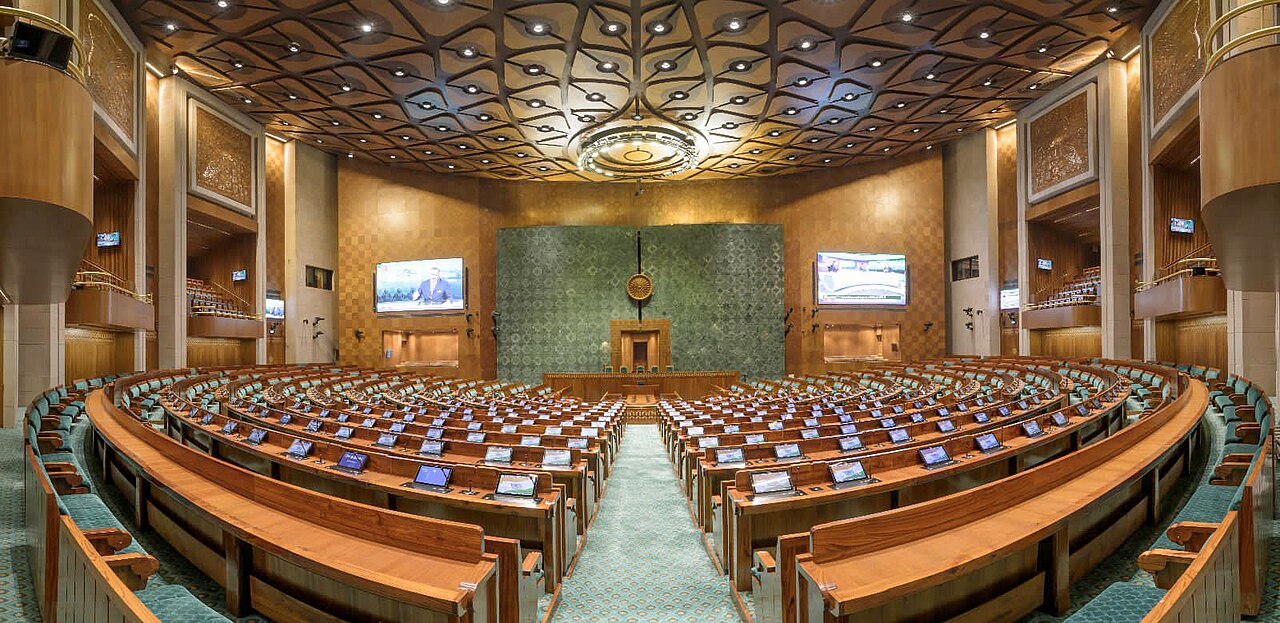
• మొత్తం సీట్లు పెంచడం: లోక్సభ సీట్ల సంఖ్యను పెంచి, ఏ రాష్ట్రమూ ప్రస్తుత సీట్లను కోల్పోకుండా చూడటం. కొత్త పార్లమెంటు భవనంలో ఎక్కువ మంది సభ్యులకు సరిపడా స్థలం ఉండటం దీనికి సూచనగా కొందరు చెబుతున్నారు.
• స్తంభన పొడిగింపు: ప్రస్తుత కేటాయింపును మరికొన్ని దశాబ్దాలు కొనసాగించడం.
• మిశ్రమ సూత్రం: జనాభాతో పాటు ఇతర అంశాలను కూడా పరిగణనలోకి తీసుకోవడం. కేంద్ర ప్రభుత్వం దక్షిణాది రాష్ట్రాలకు అన్యాయం జరగదని హామీ ఇస్తుండగా, స్పష్టమైన సూత్రం ప్రకటించాలని ప్రతిపక్ష పార్టీలు డిమాండ్ చేస్తున్నాయి. ఈ అంశంపై దక్షిణాది రాష్ట్రాల నాయకులు ఉమ్మడి సమావేశాలు కూడా నిర్వహించారు.
తెలుగు రాష్ట్రాలు — అసెంబ్లీ సీట్ల పెంపు
ఇక్కడ తెలుగు రాష్ట్రాలకు ఒక ప్రత్యేక అంశం ఉంది. ఆంధ్రప్రదేశ్ పునర్వ్యవస్థీకరణ చట్టం, 2014 ప్రకారం:
• ఆంధ్రప్రదేశ్ శాసనసభ స్థానాలను 175 నుంచి 225కి,
• తెలంగాణ శాసనసభ స్థానాలను 119 నుంచి 153కి పెంచాలని పేర్కొన్నారు — అయితే రాజ్యాంగంలోని 170వ అధికరణానికి లోబడి. రాజ్యాంగ స్తంభన వల్ల ఈ పెంపు ఇప్పటివరకు అమలు కాలేదు. జనగణన తర్వాత పునర్విభజన జరిగితే ఈ పెంపు సాధ్యమవుతుందని భావిస్తున్నారు. అలా జరిగితే కొత్త నియోజకవర్గాలు, కొత్త నాయకులకు అవకాశాలు వస్తాయి, ప్రతి ఎమ్మెల్యే పరిధిలోని ఓటర్ల సంఖ్య తగ్గి ప్రజలకు ప్రతినిధులు మరింత దగ్గరవుతారు.
మహిళా రిజర్వేషన్తో సంబంధం
2023లో ఆమోదించిన మహిళా రిజర్వేషన్ చట్టం కూడా జనగణన, పునర్విభజన తర్వాతే అమలవుతుంది. అంటే పునర్విభజన ఆలస్యమైతే మహిళా రిజర్వేషన్ కూడా ఆలస్యమవుతుంది.
ఎస్సీ, ఎస్టీ రిజర్వ్ స్థానాలు
పునర్విభజనలో ఎస్సీ, ఎస్టీ జనాభా ఆధారంగా రిజర్వ్ స్థానాలు కూడా మారతాయి. ఏ నియోజకవర్గం రిజర్వ్ అవుతుందనేది స్థానిక రాజకీయాలను పూర్తిగా మార్చగలదు.
ముగింపు
పునర్విభజన కేవలం సాంకేతిక ప్రక్రియ కాదు; అది దేశ సమాఖ్య సమతుల్యానికి సంబంధించిన రాజకీయ ప్రశ్న. జనాభా సమానత్వం, రాష్ట్రాల న్యాయం — ఈ రెండింటి మధ్య సమతుల్యం సాధించే సూత్రం కోసం అన్ని పార్టీలు, అన్ని రాష్ట్రాలు చర్చించి ఏకాభిప్రాయానికి రావాలి.
ఫోటో: Ministry of Parliamentary Affairs / Wikimedia Commons (GODL-India)
Delimitation explained: What it could mean for Telangana and Andhra Pradesh
"Delimitation" — This English word has been heard frequently in southern politics recently. In Telugu, it is "redivision of constituencies". Why has this become such a big topic of discussion? What is its impact on the Telugu states? Let us explain it in a simple way.
What is redistribution?
This is the process of changing the boundaries and number of constituencies so that each constituency has approximately the same number of voters as the population changes. This is based on the democratic principle of "one person, one vote, one value". This work is done by the Redistricting Commission after every census as per Article 82 (Lok Sabha) and Article 170 (Legislative Assemblies) of the Constitution.
Stambhana — why?
The number of Lok Sabha seats (543) was fixed on the basis of the 1971 census. In 1976, the 42nd Constitutional Amendment froze this number till the 2001 census. The reason — States that had effectively implemented family planning programmes should not lose seats due to population decline. The 84th Amendment in 2001 extended this freeze till the first census after 2026. In 2008, the boundaries of the constituencies were changed, but the number of seats allotted to each state remained unchanged.
Southern unrest
In the last five decades, the southern states — Tamil Nadu, Kerala, Karnataka, Andhra Pradesh, and Telangana — have effectively controlled population growth. The northern states — Uttar Pradesh, Bihar, Madhya Pradesh, and Rajasthan — have seen rapid population growth. Now, if we redistribute Lok Sabha seats based on population alone:
• The share of seats in the northern states will increase significantly.
• The share of the southern states will decrease. This is a "punishment for the success of population control," argue the southern parties. Their concern is that even if the southern share of the country's GDP and tax revenue increases, its voice in Parliament will decrease.
Proposed solutions
• Increasing the total number of seats: Increasing the number of Lok Sabha seats so that no state loses its current seats. Some say this is an indication that there is enough space for more members in the new Parliament building.
• Extension of the freeze: Continuing the current allocation for a few more decades.
• Mixed principle: Considering other factors besides population. While the central government has assured that there will be no injustice to the southern states, the opposition parties are demanding a clear principle. Leaders of the southern states have also held joint meetings on the issue.
Telugu states — Increase in assembly seats
Here is a special point for the Telugu states. According to the Andhra Pradesh Reorganisation Act, 2014:
• Andhra Pradesh Legislative Assembly seats increased from 175 to 225,
• It has been said that the number of seats in the Telangana Legislative Assembly should be increased from 119 to 153 — but subject to Article 170 of the Constitution. This increase has not been implemented so far due to constitutional stagnation. It is believed that this increase will be possible if the re-division is done after the census. If that happens, new constituencies and opportunities for new leaders will arise, the number of voters in each MLA's area will decrease and the representatives will be closer to the people.
Relationship with women's reservation
The Women's Reservation Act, passed in 2023, will also be implemented only after the census and re-division. This means that if the re-division is delayed, women's reservation will also be delayed.
SC and ST reserved seats
The re-division will also change the reserved seats based on the SC and ST population. Which constituency becomes reserved could completely change local politics.
Conclusion
Redistricting is not just a technical process; it is a political question of the federal balance of the country. All parties and all states must discuss and come to a consensus on the principle of achieving a balance between population equality and justice for the states.
Photo: Ministry of Parliamentary Affairs / Wikimedia Commons (GODL-India)