
రాజకీయాలు
భారత జాతీయ కాంగ్రెస్: 1885 నుంచి నేటి వరకు 140 ఏళ్ల ప్రస్థానం
స్వాతంత్ర్యోద్యమ పార్టీ, దశాబ్దాల ఆధిపత్యం, ఎమర్జెన్సీ, ఆర్థిక సంస్కరణలు, యూపీఏ సంవత్సరాలు, పునరాగమన ప్రయత్నాలు — సమతుల్య చరిత్ర.
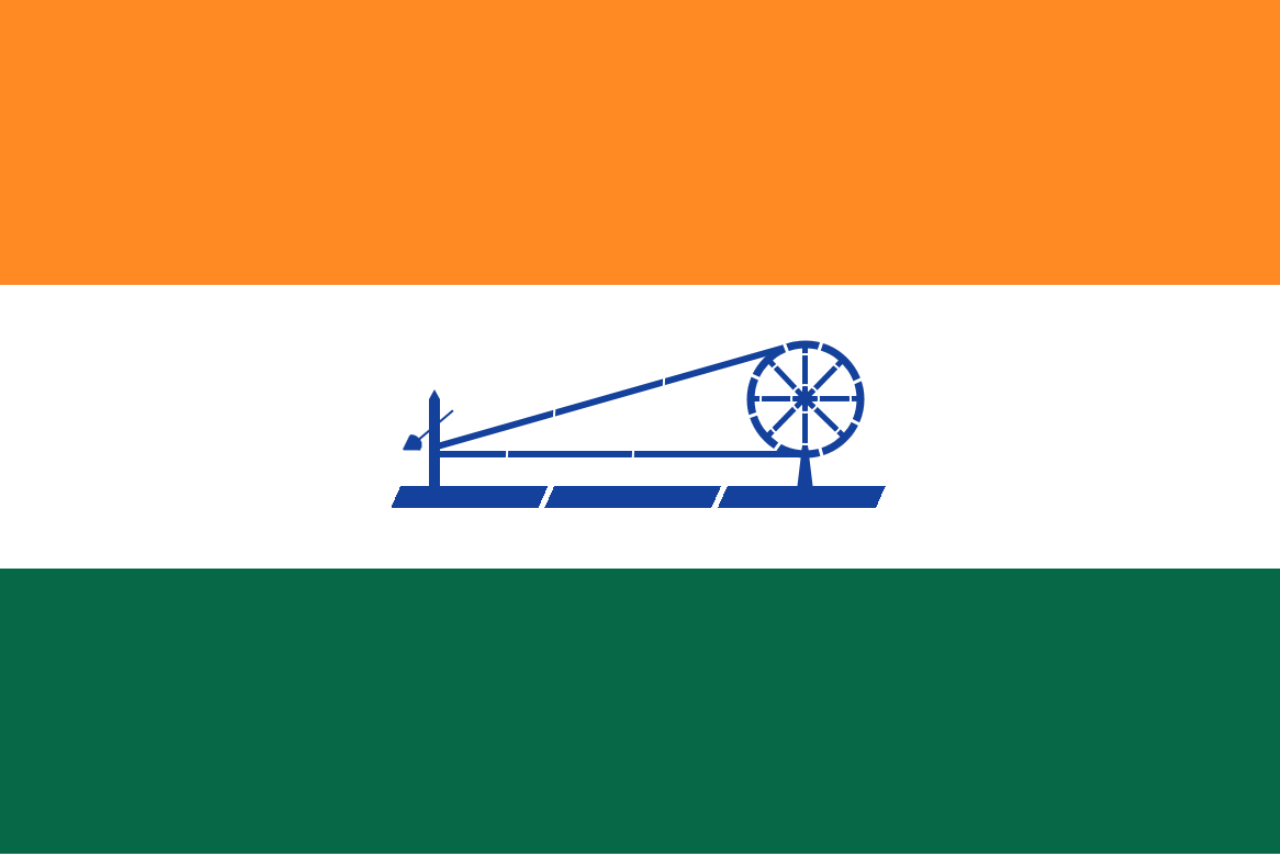
భారతదేశంలోని అత్యంత పురాతన రాజకీయ పార్టీ భారత జాతీయ కాంగ్రెస్. స్వాతంత్ర్యోద్యమానికి నాయకత్వం వహించి, స్వతంత్ర భారతాన్ని దశాబ్దాలు పాలించిన ఈ పార్టీ చరిత్ర ఒక విధంగా ఆధునిక భారత చరిత్రే. ఆ సుదీర్ఘ ప్రయాణాన్ని దశలవారీగా చూద్దాం.
ఆవిర్భావం (1885)
1885 డిసెంబర్లో బొంబాయిలో భారత జాతీయ కాంగ్రెస్ తొలి సమావేశం జరిగింది. రిటైర్డ్ బ్రిటిష్ అధికారి ఏ.ఓ. హ్యూమ్ చొరవ తీసుకోగా, డబ్ల్యూ.సి. బెనర్జీ తొలి అధ్యక్షుడయ్యారు. దాదాభాయ్ నౌరోజీ, సురేంద్రనాథ్ బెనర్జీ, గోపాలకృష్ణ గోఖలే వంటి నాయకులు మొదట్లో రాజ్యాంగబద్ధ సంస్కరణలు, భారతీయులకు ఎక్కువ ప్రాతినిధ్యం కోరారు.
మితవాదులు, అతివాదులు
20వ శతాబ్దం ప్రారంభంలో బాలగంగాధర తిలక్, లాలా లజపతిరాయ్, బిపిన్ చంద్రపాల్ ("లాల్–బాల్–పాల్") వంటి అతివాద నాయకులు "స్వరాజ్యం నా జన్మహక్కు" అంటూ దూకుడైన మార్గం కోరారు. 1907 సూరత్ సమావేశంలో పార్టీ రెండుగా చీలింది, తర్వాత మళ్లీ కలిసింది.
గాంధీ యుగం
1915లో దక్షిణాఫ్రికా నుంచి తిరిగి వచ్చిన మహాత్మా గాంధీ కాంగ్రెస్ను ప్రజా ఉద్యమంగా మార్చారు. సహాయ నిరాకరణ (1920), ఉప్పు సత్యాగ్రహం (1930), క్విట్ ఇండియా (1942) వంటి ఉద్యమాలు గ్రామాల వరకు చేరాయి. నెహ్రూ, పటేల్, సుభాష్ చంద్రబోస్, మౌలానా ఆజాద్, సరోజినీ నాయుడు వంటి నాయకులు ఎదిగారు. తెలుగు నేల నుంచి టంగుటూరి ప్రకాశం, పట్టాభి సీతారామయ్య, దుర్గాబాయి దేశ్ముఖ్ వంటి వారు కీలక పాత్ర పోషించారు. జాతీయ పతాకాన్ని రూపొందించిన పింగళి వెంకయ్య కూడా తెలుగువారే.
స్వాతంత్ర్యం తర్వాత — ఆధిపత్య యుగం (1947–1977)
నెహ్రూ నాయకత్వంలో కాంగ్రెస్ 1952, 1957, 1962 ఎన్నికల్లో భారీ మెజారిటీలతో గెలిచింది. పంచవర్ష ప్రణాళికలు, భారీ పరిశ్రమలు, ఐఐటీలు, ప్రజాస్వామ్య సంస్థల నిర్మాణం ఈ కాలం గుర్తులు. 1966లో ఇందిరా గాంధీ ప్రధాని అయ్యారు. 1969లో పార్టీ చీలింది. బ్యాంకుల జాతీయీకరణ, "గరీబీ హఠావో" నినాదం, 1971 బంగ్లాదేశ్ యుద్ధ విజయం ఆమెను శక్తివంతమైన నాయకురాలిగా నిలిపాయి.
ఎమర్జెన్సీ, తొలి ఓటమి (1975–1977)
1975 జూన్ 25న దేశంలో అత్యవసర పరిస్థితి (ఎమర్జెన్సీ) విధించారు. ప్రతిపక్ష నాయకుల అరెస్టులు, పత్రికా సెన్సార్షిప్, బలవంతపు కుటుంబ నియంత్రణ వంటి చర్యలు తీవ్ర విమర్శలకు గురయ్యాయి. 1977 ఎన్నికల్లో కాంగ్రెస్ తొలిసారి కేంద్రంలో అధికారం కోల్పోయింది. ఎమర్జెన్సీ కాంగ్రెస్ చరిత్రలో అత్యంత వివాదాస్పద అధ్యాయం.
పునరాగమనం, విషాదాలు (1980–1991)
1980లో ఇందిరా గాంధీ తిరిగి అధికారంలోకి వచ్చారు. 1984లో ఆమె హత్య తర్వాత రాజీవ్ గాంధీ నాయకత్వంలో కాంగ్రెస్ 400కు పైగా స్థానాలతో రికార్డు విజయం సాధించింది. కంప్యూటర్లు, టెలికాం విస్తరణ ఆయన హయాంలో మొదలయ్యాయి. 1991 ఎన్నికల ప్రచారంలో రాజీవ్ గాంధీ హత్యకు గురయ్యారు.
పీవీ — సంస్కరణల యుగం (1991–1996)
తెలుగు బిడ్డ పి.వి. నరసింహారావు ప్రధానిగా, మన్మోహన్ సింగ్ ఆర్థిక మంత్రిగా ఆర్థిక సంస్కరణలు చేపట్టారు. లైసెన్స్ రాజ్ అంతం, విదేశీ పెట్టుబడులకు తలుపులు తెరవడం దేశ ఆర్థిక దిశను మార్చేశాయి.
యూపీఏ దశాబ్దం (2004–2014)
సోనియా గాంధీ నాయకత్వంలో 2004లో యూపీఏ అధికారంలోకి వచ్చింది. మన్మోహన్ సింగ్ ప్రధానిగా పదేళ్లు పాలించారు. ఉపాధి హామీ పథకం (2005), సమాచార హక్కు చట్టం (2005), విద్యాహక్కు చట్టం (2009), ఆహార భద్రతా చట్టం (2013) వంటి హక్కుల ఆధారిత చట్టాలు ఈ కాలం గుర్తులు. తెలంగాణ రాష్ట్ర ఏర్పాటు కూడా ఈ కాలంలోనే. అయితే రెండో దఫాలో అవినీతి ఆరోపణలు, ధరల పెరుగుదల ప్రభుత్వ ప్రతిష్ఠను దెబ్బతీశాయి.
కఠిన కాలం (2014 నుంచి)
2014లో కాంగ్రెస్ కేవలం 44 స్థానాలకు పడిపోయింది — చరిత్రలోనే అత్యల్పం. 2019లో 52. 2022–23లో రాహుల్ గాంధీ కన్యాకుమారి నుంచి కశ్మీర్ వరకు "భారత్ జోడో యాత్ర" చేశారు — ఆ యాత్ర తెలంగాణ గుండా కూడా సాగింది. 2022లో మల్లికార్జున ఖర్గే పార్టీ అధ్యక్షుడయ్యారు. 2024లో కాంగ్రెస్ 99 స్థానాలతో కోలుకుని, లోక్సభలో ప్రధాన ప్రతిపక్షంగా నిలిచింది. కర్ణాటక, తెలంగాణ, హిమాచల్ ప్రదేశ్ వంటి రాష్ట్రాల్లో అధికారంలో ఉంది.
ముగింపు
స్వాతంత్ర్యోద్యమ నాయకత్వం నుంచి ప్రతిపక్ష పాత్ర వరకు — కాంగ్రెస్ ప్రయాణం భారత ప్రజాస్వామ్య పరిణామానికి అద్దం. ఆ పార్టీ విజయాలు, తప్పులు రెండూ దేశ చరిత్రలో భాగం. ఏ పార్టీకైనా ప్రజల నమ్మకమే అసలైన బలం అని ఈ చరిత్ర చెబుతుంది.
ఫోటో: Trouscht / Wikimedia Commons (Public domain)
The Indian National Congress: 140 years from 1885 to today
The oldest political party in India is the Indian National Congress. The history of this party, which led the freedom movement and ruled independent India for decades, is in a way the history of modern India. Let us look at that long journey step by step.
Emergence (1885)
The first session of the Indian National Congress was held in Bombay in December 1885. A.O. Hume, a retired British officer, took the initiative, and W.C. Banerjee became the first president. Leaders like Dadabhai Naoroji, Surendranath Banerjee, and Gopalakrishna Gokhale initially demanded constitutional reforms and greater representation for Indians.
Moderates and extremists
In the early 20th century, radical leaders such as Bal Gangadhar Tilak, Lala Lajpat Rai, and Bipin Chandra Pal ("Lal–Bal–Pal") advocated a radical path, saying "Swaraj is my birthright". The party split in two at the Surat session of 1907, but later reunited.
Gandhian era
Mahatma Gandhi, who returned from South Africa in 1915, transformed the Congress into a mass movement. Movements like Non-Cooperation (1920), Salt Satyagraha (1930), and Quit India (1942) reached the villages. Leaders like Nehru, Patel, Subhash Chandra Bose, Maulana Azad, and Sarojini Naidu emerged. People from Telugu soil like Tanguturi Prakasam, Pattabhi Seetaramaiah, and Durgabai Deshmukh played a key role. Pingali Venkaiah, who designed the national flag, was also a Telugu.
Post-independence — Hegemonic era (1947–1977)
Under Nehru's leadership, the Congress won the elections of 1952, 1957, and 1962 with huge majorities. Five-year plans, heavy industries, IITs, and the creation of democratic institutions were the hallmarks of this period. Indira Gandhi became the Prime Minister in 1966. The party split in 1969. The nationalization of banks, the slogan of "Garibi Hathao", and the victory in the Bangladesh War of 1971 established her as a powerful leader.
Emergency, first defeat (1975–1977)
On 25 June 1975, a state of emergency was imposed in the country. The arrests of opposition leaders, press censorship, and forced family planning were widely criticized. The Congress lost power at the Centre for the first time in the 1977 elections. The Emergency was the most controversial chapter in the history of the Congress.
Comeback and tragedies (1980–1991)
Indira Gandhi returned to power in 1980. After her assassination in 1984, the Congress, led by Rajiv Gandhi, won a record victory with over 400 seats. The expansion of computers and telecom began under his rule. Rajiv Gandhi was assassinated during the 1991 election campaign.
PV — Reform Era (1991–1996)
Telugu child P.V. Narasimha Rao as Prime Minister and Manmohan Singh as Finance Minister undertook economic reforms. The end of license raj and opening the doors to foreign investment changed the economic direction of the country.
The UPA decade (2004–2014)
The UPA came to power in 2004 under the leadership of Sonia Gandhi. Manmohan Singh ruled as the Prime Minister for ten years. Rights-based laws like the Employment Guarantee Scheme (2005), the Right to Information Act (2005), the Right to Education Act (2009), and the Food Security Act (2013) are the hallmarks of this period. The formation of Telangana state also occurred during this period. However, allegations of corruption and price hikes damaged the government's reputation in the second term.
Hard times (since 2014)
In 2014, the Congress fell to just 44 seats — its lowest in history. In 2019, it fell to 52. In 2022–23, Rahul Gandhi undertook a "Bharat Jodo Yatra" from Kanyakumari to Kashmir — a journey that also passed through Telangana. In 2022, Mallikarjun Kharge became the party president. In 2024, the Congress recovered with 99 seats and became the main opposition in the Lok Sabha. It is in power in states like Karnataka, Telangana, and Himachal Pradesh.
Conclusion
From the leadership of the freedom movement to the role of the opposition — the journey of the Congress is a mirror of the evolution of Indian democracy. Both the successes and mistakes of the party are part of the country's history. This history shows that the real strength of any party is the trust of the people.
Photo: Trouscht / Wikimedia Commons (Public domain)