
రాజకీయాలు
తెలుగు రాజకీయాల్లో వామపక్షాలు: 1952 వైభవం నుంచి నేటి వరకు
ఒకప్పుడు ఆంధ్ర, తెలంగాణలో కాంగ్రెస్కు గట్టి సవాలు విసిరిన కమ్యూనిస్టు పార్టీలు భూసంస్కరణలు, సాహిత్యం, కార్మిక హక్కులను ప్రభావితం చేశాయి. తర్వాత ఏమైంది?
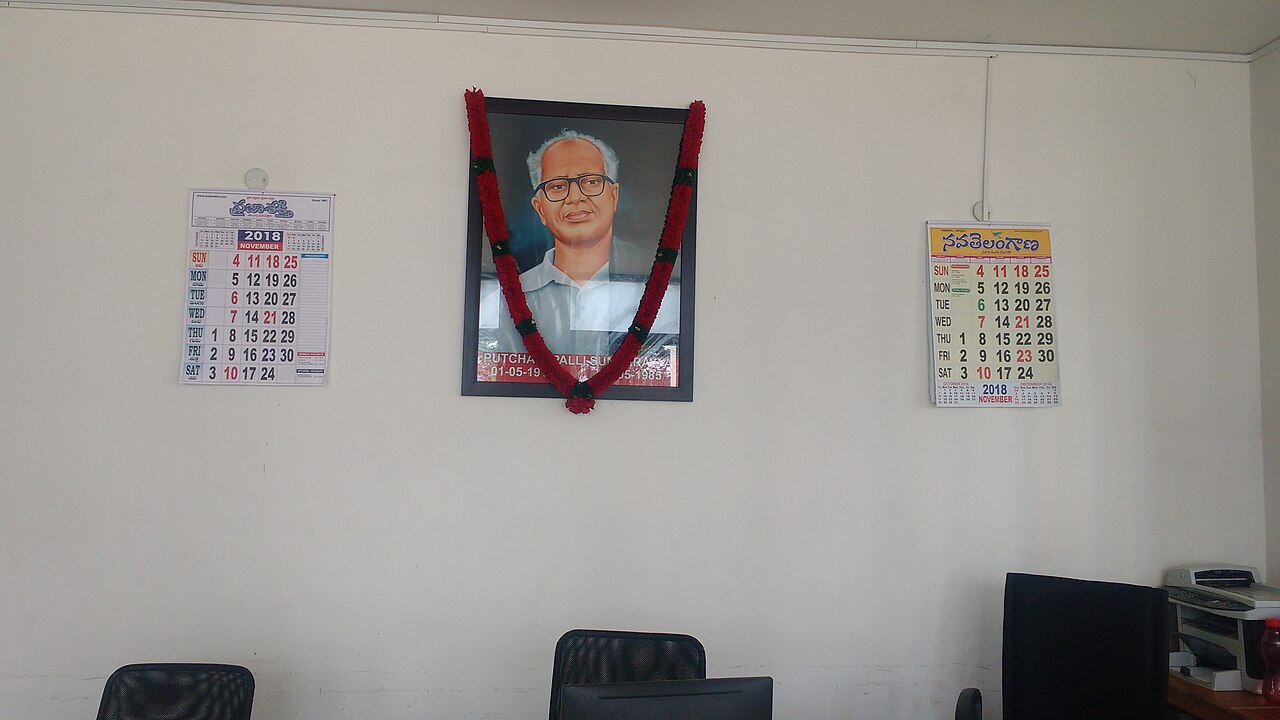
ఈ రోజు తెలుగు రాష్ట్రాల శాసనసభల్లో వామపక్ష ఎమ్మెల్యేలు అతి తక్కువ. కానీ ఒకప్పుడు పరిస్థితి పూర్తిగా భిన్నం. స్వాతంత్ర్యానంతరం తొలి ఎన్నికల్లో కమ్యూనిస్టులు తెలుగు నేలపై ప్రధాన రాజకీయ శక్తి. వారి ప్రభావం ఎన్నికల ఫలితాలకే పరిమితం కాదు — సాహిత్యం, కళలు, భూసంస్కరణలు, కార్మిక హక్కులపై దాని ముద్ర ఇప్పటికీ కనిపిస్తుంది.
ఆరంభం — ఉద్యమాల నుంచి
1930ల్లో ఆంధ్ర ప్రాంతంలో రైతు సంఘాలు, తెలంగాణలో ఆంధ్ర మహాసభ ద్వారా కమ్యూనిస్టు భావజాలం వ్యాపించింది. పుచ్చలపల్లి సుందరయ్య, చండ్ర రాజేశ్వరరావు, రావి నారాయణ రెడ్డి, బద్దం ఎల్లారెడ్డి, మగ్దూం మొహియుద్దీన్ వంటి నాయకులు గ్రామీణ పేదలు, కూలీలు, కౌలు రైతులను సంఘటితం చేశారు. 1946–51 తెలంగాణ సాయుధ రైతాంగ పోరాటం కమ్యూనిస్టుల నాయకత్వంలోనే జరిగింది.
1952 — వైభవ శిఖరం
1952 తొలి సాధారణ ఎన్నికల్లో కమ్యూనిస్టులు అద్భుత ఫలితాలు సాధించారు. హైదరాబాద్ రాష్ట్రంలో కమ్యూనిస్టుల నేతృత్వంలోని పీపుల్స్ డెమోక్రటిక్ ఫ్రంట్ (పీడీఎఫ్) తెలంగాణ జిల్లాల్లో పెద్ద సంఖ్యలో స్థానాలు గెలిచింది. రావి నారాయణ రెడ్డి దేశంలోనే అత్యధిక మెజారిటీతో లోక్సభకు ఎన్నికయ్యారని చెబుతారు — నెహ్రూ మెజారిటీ కంటే ఎక్కువ. మద్రాసు రాష్ట్రంలోని ఆంధ్ర ప్రాంతంలో కూడా కమ్యూనిస్టులు బలమైన శక్తిగా నిలిచారు. ఒక దశలో ఆంధ్రలో కమ్యూనిస్టులు అధికారంలోకి వస్తారనే చర్చ కూడా జరిగింది.
1955 — ఎదురుదెబ్బ
1955 ఆంధ్ర రాష్ట్ర మధ్యంతర ఎన్నికల్లో కాంగ్రెస్ ఇతర పార్టీలతో కలిసి బలంగా పోటీ చేసింది. కమ్యూనిస్టులు ఘోరంగా ఓడిపోయారు. ఈ ఓటమి తర్వాత తెలుగు నేలపై వారి ఎన్నికల బలం తిరిగి ఆ స్థాయికి చేరలేదు.
చీలికలు
1964లో జాతీయ స్థాయిలో కమ్యూనిస్టు పార్టీ రెండుగా చీలింది — సీపీఐ, సీపీఐ(ఎం). సుందరయ్య సీపీఐ(ఎం) తొలి ప్రధాన కార్యదర్శి అయ్యారు. 1960ల చివర్లో సాయుధ పోరాటమే మార్గమని నమ్మిన వర్గాలు మరింత చీలాయి. శ్రీకాకుళం గిరిజన పోరాటం (1967–70), తర్వాత ఉత్తర తెలంగాణ, ఆదిలాబాద్ అడవుల్లో విస్తరించిన నక్సలైట్ ఉద్యమాలు దశాబ్దాల పాటు సమాజాన్ని ప్రభావితం చేశాయి. ఈ హింసాత్మక ఉద్యమాలు, వాటిపై ప్రభుత్వ అణచివేతలో వేలాది ప్రాణాలు పోయాయి — పోలీసులు, ఉద్యమకారులు, సామాన్యులు.
సాహిత్య, సాంస్కృతిక ప్రభావం
ఎన్నికల బలం తగ్గినా, వామపక్ష భావజాలం తెలుగు సాహిత్యాన్ని లోతుగా ప్రభావితం చేసింది. శ్రీశ్రీ "మహాప్రస్థానం", అభ్యుదయ రచయితల సంఘం (అరసం), విప్లవ రచయితల సంఘం (విరసం), ప్రజానాట్యమండలి నాటకాలు, పాటలు ఒక తరాన్ని కదిలించాయి. "మా భూమి" వంటి నాటకాలు, సుద్దాల హనుమంతు, గద్దర్ వంటి కవుల పాటలు ప్రజల గుండెల్లో నిలిచాయి.
పొత్తుల రాజకీయాలు
1980ల తర్వాత సీపీఐ, సీపీఐ(ఎం) ఎక్కువగా ప్రధాన పార్టీలతో పొత్తుల ద్వారా కొన్ని స్థానాలు గెలుచుకున్నాయి — కొన్నిసార్లు టీడీపీతో, కొన్నిసార్లు కాంగ్రెస్తో. భద్రాచలం, ఖమ్మం, నల్గొండ ప్రాంతాల్లో వారికి స్థానిక బలం కొనసాగింది. తెలంగాణ ఉద్యమం విషయంలో సీపీఐ మద్దతు ఇవ్వగా, సీపీఐ(ఎం) సమైక్యతకు అనుకూలంగా ఉండటం కూడా ఆ పార్టీల ప్రభావంపై ప్రభావం చూపింది.
ప్రస్తుత పరిస్థితి
నేడు శాసనసభల్లో వామపక్షాల ప్రాతినిధ్యం చాలా పరిమితం. 2023 తెలంగాణ ఎన్నికల్లో కాంగ్రెస్తో పొత్తుతో సీపీఐ కొత్తగూడెం స్థానం గెలిచింది. అయినా కార్మిక సంఘాలు, రైతు సంఘాలు, విద్యార్థి సంఘాలు, అంగన్వాడీ, ఆశా వర్కర్ల ఉద్యమాలు, ప్రజా సమస్యలపై ఆందోళనల్లో వామపక్షాలు ఇప్పటికీ చురుగ్గా ఉన్నాయి.
ఎందుకు బలహీనపడ్డాయి?
విశ్లేషకులు చెప్పే కారణాలు — పదే పదే చీలికలు, కుల సమీకరణాలతో కూడిన ప్రాంతీయ రాజకీయాల ఆవిర్భావం, సంక్షేమ పథకాలతో ప్రాంతీయ పార్టీలు పేద ఓటర్లను ఆకర్షించడం, మారుతున్న ఆర్థిక వ్యవస్థకు తగ్గట్లు భావజాలాన్ని నవీకరించుకోకపోవడం, యువ నాయకత్వ కొరత.
ముగింపు
భూసంస్కరణలు, వెట్టిచాకిరీ రద్దు, కార్మిక హక్కులు, మహిళల రాజకీయ భాగస్వామ్యం — ఈ రోజు మనం సహజంగా భావించే ఎన్నో హక్కుల వెనుక వామపక్ష ఉద్యమాల కృషి ఉంది. ఎన్నికల్లో వారి బలం తగ్గినా, తెలుగు సమాజ చరిత్రలో వారి పాత్రను విస్మరించలేం.
ఫోటో: Balogic / Wikimedia Commons (CC BY-SA 4.0)
The Left in Telugu politics: From the 1952 high point to today
Today, the number of Left MLAs in the Telugu states' legislatures is very low. But the situation was completely different once. In the first elections after independence, the Communists were the main political force on Telugu soil. Their influence is not limited to election results — its imprint is still visible on literature, arts, land reforms, and labor rights.
Beginning — From the movements
In the 1930s, communist ideology spread through farmers' associations in the Andhra region and the Andhra Mahasabha in Telangana. Leaders like Puchalapalli Sundarayya, Chandra Rajeswara Rao, Ravi Narayana Reddy, Baddam Yella Reddy, and Magdum Mohiuddin organized the rural poor, laborers, and tenant farmers. The Telangana armed peasant struggle of 1946–51 was led by communists.
1952 — The pinnacle of glory
The Communists achieved impressive results in the first general elections of 1952. In Hyderabad state, the Communist-led People's Democratic Front (PDF) won a large number of seats in the Telangana districts. Ravi Narayana Reddy is said to have been elected to the Lok Sabha with the largest majority in the country — more than Nehru's majority. The Communists also emerged as a strong force in the Andhra region of Madras state. At one stage, there was even talk of the Communists coming to power in Andhra.
1955 — Setback
In the 1955 Andhra state by-elections, the Congress contested strongly along with other parties. The Communists were badly defeated. After this defeat, their electoral strength on Telugu soil never recovered to that level.
Rivets
In 1964, the Communist Party at the national level split into two — the CPI and the CPI(M). Sundarayya became the first General Secretary of the CPI(M). In the late 1960s, the factions that believed in armed struggle were the only way out became even more divided. The Srikakulam tribal struggle (1967–70), followed by the Naxalite movements that spread to the forests of northern Telangana and Adilabad, affected society for decades. These violent movements and the government's repression of them claimed thousands of lives — police, activists, and ordinary people.
Literary and cultural influence
Despite its electoral strength, the Left ideology has deeply influenced Telugu literature. The plays and songs of Sri Sri "Mahaprasthanam", Abhyudaya Writers' Association (Arasam), Vipala Writers' Association (Virasam), and Praja Natyamandali moved a generation. Plays like "Maa Bhoomi", songs by poets like Suddala Hanumanthu and Gaddar have remained in the hearts of the people.
Politics of alliances
After the 1980s, the CPI and CPI(M) mostly won some seats through alliances with major parties — sometimes with the TDP, sometimes with the Congress. They continued to have local strength in Bhadrachalam, Khammam and Nalgonda. While the CPI supported the Telangana movement, the CPI(M)'s pro-unification stance also affected the influence of those parties.
Current situation
Today, the representation of the Left in the legislatures is very limited. In the 2023 Telangana elections, the CPI won the Kothagudem seat in alliance with the Congress. However, the Left is still active in the movements of trade unions, farmers' associations, student associations, Anganwadi and ASHA workers, and public issues.
Why are they weak?
Analysts say the reasons are — repeated divisions, the emergence of regional politics with caste equations, regional parties attracting poor voters with welfare schemes, failure to update ideology to suit the changing economy, and a lack of young leadership.
Conclusion
Land reforms, abolition of bonded labour, labour rights, women's political participation — many of the rights we take for granted today are the work of leftist movements. Even though their strength in the elections has waned, their role in the history of Telugu society cannot be ignored.
Photo: Balogic / Wikimedia Commons (CC BY-SA 4.0)