
తెలంగాణ
బతుకమ్మ, బోనాలు: తెలంగాణ గుర్తింపును చాటే రెండు పండుగలు
మహిళలు జరుపుకునే పూల పండుగ, అమ్మవారికి నైవేద్యాల పండుగ — వాటి కథలు, ఆచారాలు, తెలంగాణకు వాటి అర్థం.
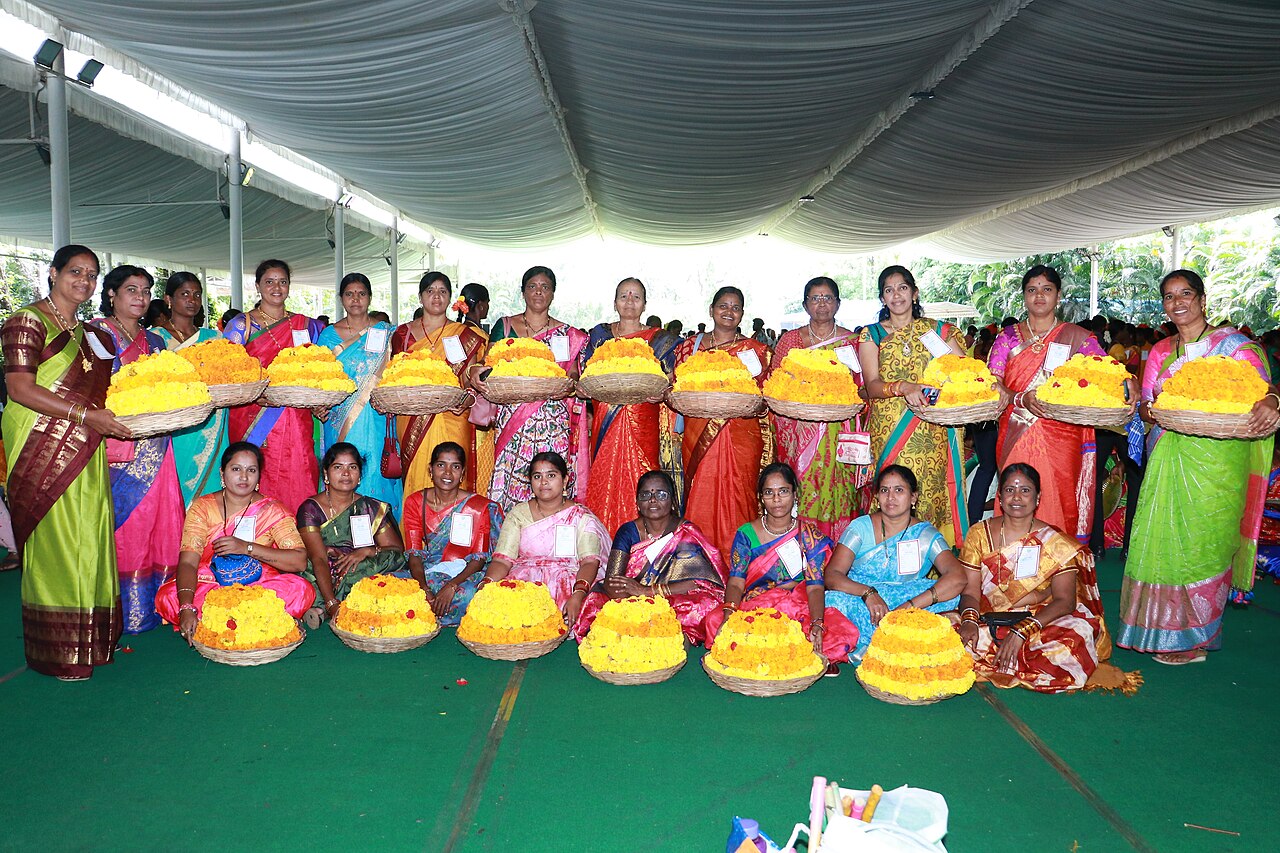
తెలంగాణ రాష్ట్ర పండుగలుగా ప్రభుత్వం గుర్తించిన రెండు ఉత్సవాలు — బతుకమ్మ, బోనాలు. ఈ రెండూ ప్రకృతి, స్త్రీ శక్తి, గ్రామ దేవతల ఆరాధనతో ముడిపడిన ప్రజా పండుగలు. తెలంగాణ ఉద్యమ కాలంలో ఈ పండుగలు ప్రాంతీయ సాంస్కృతిక ఆత్మగౌరవానికి ప్రతీకలుగా మారాయి.
బతుకమ్మ — పూల పండుగ
"బతుకమ్మ" అంటే "బతుకు, అమ్మా" — జీవించు తల్లీ. ఈ పండుగ ఆశ్వయుజ మాసంలో, దసరా నవరాత్రులకు సమాంతరంగా తొమ్మిది రోజులు జరుగుతుంది. మహాలయ అమావాస్య రోజు "ఎంగిలిపూల బతుకమ్మ"తో మొదలై, తొమ్మిదో రోజు "సద్దుల బతుకమ్మ"తో ముగుస్తుంది.
బతుకమ్మ ఎలా పేరుస్తారు?
వర్షాకాలం చివర్లో తెలంగాణ పొలాలు, చెరువు గట్లపై పూసే అడవి పూలతో బతుకమ్మను పేరుస్తారు — తంగేడు (రాష్ట్ర పుష్పం), గునుగు, బంతి, చామంతి, కట్ల, గుమ్మడి పూలు. ఒక పళ్లెంలో రంగురంగుల పూలను వలయాలుగా శిఖరం ఆకారంలో పేర్చి, పైన పసుపుతో చేసిన గౌరమ్మను ఉంచుతారు.
ఆట, పాట
సాయంత్రం మహిళలు, అమ్మాయిలు కొత్త బట్టలు కట్టుకుని బతుకమ్మలను వీధి కూడలిలో లేదా ఆలయం దగ్గర మధ్యలో పెట్టి, చుట్టూ వలయాకారంలో చప్పట్లు కొడుతూ పాటలు పాడుతారు. "బతుకమ్మ బతుకమ్మ ఉయ్యాలో" వంటి జానపద గీతాల్లో పురాణ కథలు, కుటుంబ బంధాలు, గ్రామ జీవితం, సామాజిక అంశాలు ప్రతిఫలిస్తాయి. ఆట తర్వాత బతుకమ్మలను చెరువులో నిమజ్జనం చేస్తారు. తొమ్మిది రోజులూ రోజుకో రకం నైవేద్యం — సద్దుల బతుకమ్మ రోజు రకరకాల సద్దులు (కలిపిన అన్నాలు) చేస్తారు.
బతుకమ్మ వెనుక శాస్త్రీయత
బతుకమ్మలో వాడే చాలా పూలకు ఔషధ గుణాలు ఉన్నాయని, అవి చెరువుల్లో కలిసినప్పుడు నీటిని శుద్ధి చేయడంలో సహాయపడతాయని పెద్దలు చెబుతారు. వర్షాకాలం తర్వాత నిండిన చెరువులకు, ప్రకృతికి కృతజ్ఞత చెప్పే పండుగగా కూడా దీన్ని చూస్తారు. అందుకే ప్లాస్టిక్ పూలు, రసాయన రంగులు వాడకుండా సహజ పూలతోనే బతుకమ్మ చేయాలి.
బోనాలు — అమ్మవారికి నైవేద్యం
బోనాలు ఆషాఢ మాసంలో (జూన్–జూలై) జరిగే పండుగ. "బోనం" అంటే భోజనం — అమ్మవారికి సమర్పించే నైవేద్యం. మహిళలు కొత్త కుండలో అన్నం, బెల్లం, పెరుగు, ఉల్లిపాయలతో వండిన నైవేద్యాన్ని పెట్టి, కుండను వేప ఆకులు, పసుపు, కుంకుమ, దీపంతో అలంకరించి తలపై పెట్టుకుని ఊరేగింపుగా అమ్మవారి ఆలయానికి వెళ్తారు.
బోనాల వెనుక కథ
పూర్వం హైదరాబాద్–సికింద్రాబాద్ ప్రాంతంలో భయంకరమైన అంటువ్యాధి వ్యాపించినప్పుడు, ప్రజలు గ్రామ దేవతలైన మహంకాళి, ఎల్లమ్మ, పోచమ్మ వంటి అమ్మవార్లను ప్రార్థించి, వ్యాధి తగ్గితే బోనాలు సమర్పిస్తామని మొక్కుకున్నారని, అప్పటి నుంచి ఈ సంప్రదాయం కొనసాగుతోందని చెబుతారు. వర్షాకాలంలో వచ్చే వ్యాధుల నుంచి రక్షణ కోసం అమ్మవారిని వేడుకోవడం దీని సారాంశం.
బోనాల క్రమం
హైదరాబాద్లో బోనాలు ఒక క్రమంలో జరుగుతాయి:
1. గోల్కొండ కోటలోని జగదాంబిక (ఎల్లమ్మ) ఆలయంలో తొలి బోనంతో పండుగ ప్రారంభం.
2. సికింద్రాబాద్ ఉజ్జయిని మహంకాళి ఆలయ బోనాలు — లక్షలాది భక్తులు.
3. పాతబస్తీలోని లాల్ దర్వాజా సింహవాహిని ఆలయ బోనాలు.
4. నగరంలోని ఇతర ఆలయాలు, గ్రామాల్లో బోనాలు.
పోతరాజు, రంగం
బోనాల ఊరేగింపులో ముందు నడిచే "పోతరాజు" — ఒంటి నిండా పసుపు, నడుముకు వేప మండలు, కాళ్లకు గజ్జెలు, చేతిలో కొరడాతో నృత్యం చేస్తూ — అమ్మవారి సోదరుడిగా భావిస్తారు. బోనాల మరుసటి రోజు జరిగే "రంగం"లో ఒక మహిళ (మాతంగి) అమ్మవారి ఆవేశంలో రాబోయే ఏడాది గురించి భవిష్యవాణి చెబుతుంది — దీన్ని వినడానికి వేలాది మంది ఎదురుచూస్తారు.
ఉద్యమం, గుర్తింపు
తెలంగాణ ఉద్యమ కాలంలో బతుకమ్మ, బోనాలు నిరసన రూపాలుగా కూడా మారాయి — "బతుకమ్మ ఆడుతూ నిరసన" వంటి కార్యక్రమాలు జరిగాయి. రాష్ట్రం ఏర్పడ్డాక ప్రభుత్వం వీటిని అధికారిక రాష్ట్ర పండుగలుగా ప్రకటించి ఘనంగా నిర్వహిస్తోంది. విదేశాల్లోని తెలంగాణవాసులు కూడా అమెరికా, యూకే, గల్ఫ్ దేశాల్లో బతుకమ్మ ఆడుతున్నారు.
ముగింపు
బతుకమ్మ ప్రకృతిని, బోనాలు గ్రామ దేవతను పూజిస్తాయి — రెండూ మహిళల నాయకత్వంలో జరిగే ప్రజా పండుగలు. ఆధునిక జీవితంలో కూడా ఈ సంప్రదాయాలను పర్యావరణ స్పృహతో కొనసాగించడమే మన సంస్కృతికి మనం ఇచ్చే గౌరవం.
ఫోటో: Department of Language and Culture, Government of Telangana / Wikimedia Commons (CC BY-SA 4.0)
Bathukamma and Bonalu: The two festivals that define Telangana
The two festivals recognized by the government as Telangana state festivals are Bathukamma and Bonalu. Both are public festivals associated with the worship of nature, female power, and village deities. During the Telangana movement, these festivals became symbols of regional cultural self-respect.
Bathukamma — Flower Festival
"Bathukamma" means "Bathuku, Amma" — Mother of Life. This festival is celebrated for nine days in the month of Ashvayuja, parallel to the Navratri of Dussehra. It begins on the new moon day of Mahalaya with "Engilipula Bathukamma" and ends on the ninth day with "Saddula Bathukamma".
How is Bathukamma known?
Bathukamma is named after the wild flowers that bloom in the fields and ponds of Telangana at the end of the monsoon season — tangedu (the state flower), gunugu, banthi, chamanthi, katla, and gommadi flowers. Colorful flowers are arranged in a circle on a plate in the shape of a peak, and a gouramma made of turmeric is placed on top.
Game, song
In the evening, women and girls wear new clothes and place the Bathukammas in the middle of the street or near the temple, and form a circle around them, clapping and singing songs. Folk songs like "Bathukamma Bathukamma Uyyalo" reflect mythological stories, family ties, village life and social aspects. After the game, the Bathukammas are immersed in a pond. For nine days, a different type of offering is made on each day — Saddula (combined Annas) on Bathukamma Day.
The science behind Bathukamma
Elders say that many of the flowers used in Bathukamma have medicinal properties and help purify the water when mixed in ponds. It is also seen as a festival to express gratitude to nature and the ponds that fill up after the monsoon season. That is why Bathukamma should be done with natural flowers, without using plastic flowers or chemical dyes.
Bonalu — Offering to the Goddess
Bonalu is a festival held in the month of Ashada (June–July). "Bonam" means food — an offering made to the goddess. Women put the offering made of rice, jaggery, curd, and onions in a new pot, decorate the pot with neem leaves, turmeric, saffron, and a lamp, and carry it on their heads before going in procession to the goddess' temple.
The story behind the bonas
It is said that in the past, when a terrible epidemic broke out in the Hyderabad-Secunderabad region, people prayed to the village deities like Mahankali, Yellamma, and Pochamma and vowed to offer bonas if the disease subsided, and this tradition has continued since then. The essence of this is to pray to the deities for protection from diseases that come during the rainy season.
Order of the bones
Bonalu in Hyderabad takes place in a sequence:
1. The festival begins with the first bonam at the Jagadambika (Yellamma) temple in Golconda Fort.
2. Secunderabad Ujjain Mahankali Temple Bonalu — Lakhs of devotees.
3. The remains of the Lal Darwaza Simha Vahini Temple in the Old City.
4. Bonas in other temples and villages in the city.
Potharaju, Rangam
The "Potharaju" who leads the Bonala procession — dressed in turmeric, with a neem garland around his waist, anklets on his feet, and dancing with a whip in his hand — is considered the brother of the goddess. In the "rangam" held the day after Bonala, a woman (Matangi) prophesies about the coming year in the presence of the goddess — a spectacle that is attended by thousands of people.
Movement, identity
During the Telangana movement, Bathukamma and Bonalu also became forms of protest — events like "Bathukamma Aaduthu Protest" were held. After the formation of the state, the government declared these as official state festivals and celebrated them with great pomp. Telangana people abroad also play Bathukamma in the US, UK and Gulf countries.
Conclusion
Bathukamma worships nature and Bonalu worships the village deity — both are public festivals led by women. Continuing these traditions with an eco-conscious approach even in modern life is the respect we give to our culture.
Photo: Department of Language and Culture, Government of Telangana / Wikimedia Commons (CC BY-SA 4.0)