
బిజినెస్
యూపీఐ భారత్లో డబ్బు తీరునే ఎలా మార్చింది? ప్రపంచం ఎందుకు కాపీ కొడుతోంది?
2016లో ప్రారంభమైన యూపీఐ ఇప్పుడు నెలకు వందల కోట్ల చెల్లింపులు జరుపుతోంది — టీ కొట్టు నుంచి గుడి హుండీ వరకు. ఆ కథ, సురక్షితంగా వాడే పద్ధతులు.
హైదరాబాద్లో రోడ్డు పక్కన ఇరానీ చాయ్ తాగినా, పల్లెటూరిలో కూరగాయలు కొన్నా, తిరుమలలో హుండీలో కానుక వేసినా — ఇప్పుడు ఒక క్యూఆర్ కోడ్ స్కాన్ చేస్తే సరిపోతుంది. పదేళ్ల క్రితం ఊహించని ఈ మార్పుకు పేరు యూపీఐ — యూనిఫైడ్ పేమెంట్స్ ఇంటర్ఫేస్.
యూపీఐ ఎవరు తయారుచేశారు?
భారతీయ రిజర్వ్ బ్యాంక్, భారతీయ బ్యాంకుల సంఘం కలిసి 2008లో నేషనల్ పేమెంట్స్ కార్పొరేషన్ ఆఫ్ ఇండియా (ఎన్పీసీఐ) అనే లాభాపేక్ష లేని సంస్థను ఏర్పాటు చేశాయి. రూపే కార్డు, ఐఎంపీఎస్ వంటి వ్యవస్థల తర్వాత, 2016లో ఎన్పీసీఐ యూపీఐని ప్రారంభించింది. దాని ప్రత్యేకత — ఏ బ్యాంకు ఖాతా ఉన్నా, ఏ యాప్ వాడినా, ఒకరి నుంచి మరొకరికి క్షణాల్లో డబ్బు పంపవచ్చు. బ్యాంకు ఖాతా నంబర్, ఐఎఫ్ఎస్సీ కోడ్ అవసరం లేకుండా ఒక చిన్న "యూపీఐ ఐడీ" లేదా ఫోన్ నంబర్ చాలు.
నోట్ల రద్దు — అనుకోని ప్రోత్సాహం
2016 నవంబర్లో పెద్ద నోట్ల రద్దు జరిగింది. చేతిలో నగదు కొరత ఏర్పడటంతో ప్రజలు డిజిటల్ చెల్లింపుల వైపు మళ్లారు. అదే సమయంలో ప్రభుత్వం "భీమ్" యాప్ను తెచ్చింది. తర్వాత ఫోన్పే, గూగుల్ పే, పేటీఎం వంటి యాప్లు యూపీఐని కోట్లాది మందికి చేర్చాయి. జియో వల్ల చౌకగా దొరికిన మొబైల్ డేటా దీనికి మరో బలం.
ఎందుకు ఇంత విజయం?
1. ఉచితం: సాధారణ వినియోగదారులకు, చిన్న వ్యాపారులకు యూపీఐ చెల్లింపులపై చార్జీలు లేవు.
2. 24 గంటలు: సెలవు రోజు, అర్ధరాత్రి కూడా డబ్బు వెంటనే చేరుతుంది.
3. క్యూఆర్ కోడ్: కార్డు మెషీన్ కొనాల్సిన అవసరం లేదు. ఒక కాగితంపై ముద్రించిన క్యూఆర్ కోడ్ చాలు.
4. ఓపెన్ వ్యవస్థ: ఏ కంపెనీ అయినా యూపీఐపై యాప్ తయారుచేయవచ్చు. పోటీ వల్ల సేవలు మెరుగుపడ్డాయి.
5. జన్ ధన్ ఖాతాలు, ఆధార్: కోట్లాది పేదలకు బ్యాంకు ఖాతాలు ఉండటం యూపీఐకి పునాది వేసింది.
ప్రపంచ దృష్టి
ఇప్పుడు ప్రపంచంలో జరిగే రియల్-టైమ్ డిజిటల్ చెల్లింపుల్లో పెద్ద వాటా భారత్దేనని అంతర్జాతీయ నివేదికలు చెబుతున్నాయి. సింగపూర్, యూఏఈ, ఫ్రాన్స్, శ్రీలంక, నేపాల్, మారిషస్ వంటి దేశాల్లో భారతీయులు యూపీఐతో చెల్లించే సదుపాయాలు వచ్చాయి. కొన్ని దేశాలు తమ సొంత వ్యవస్థలను యూపీఐ నమూనాలో రూపొందించుకోవాలని ఆసక్తి చూపుతున్నాయి. గల్ఫ్లో పనిచేసే తెలుగు కుటుంబాలకు ఇంటికి డబ్బు పంపడం సులభతరం కావడం మరో ప్రయోజనం.
కొత్త సదుపాయాలు
యూపీఐ లైట్ (పిన్ లేకుండా చిన్న చెల్లింపులు), క్రెడిట్ కార్డులను యూపీఐకి అనుసంధానించడం, ఫీచర్ ఫోన్ల కోసం యూపీఐ 123పే, ఆటోపే (నెలవారీ బిల్లులు ఆటోమేటిక్గా) వంటి సేవలు ఇప్పుడు అందుబాటులో ఉన్నాయి.
మోసాల నుంచి జాగ్రత్త — ముఖ్యమైన నియమాలు
• డబ్బు అందుకోవడానికి పిన్ ఎప్పుడూ అవసరం లేదు. "మీకు డబ్బు పంపుతున్నాం, పిన్ ఎంటర్ చేయండి" అంటే అది కచ్చితంగా మోసం.
• తెలియని వారి నుంచి వచ్చే "కలెక్ట్ రిక్వెస్ట్"ను ఆమోదించకండి.
• క్యూఆర్ కోడ్ స్కాన్ చేయడం డబ్బు పంపడానికి మాత్రమే — అందుకోవడానికి కాదు.
• కస్టమర్ కేర్ నంబర్లను గూగుల్లో వెతికి కాల్ చేయకండి; యాప్ లోపలి సహాయ విభాగాన్నే వాడండి.
• స్క్రీన్ షేరింగ్ యాప్లు డౌన్లోడ్ చేయమని ఎవరైనా చెబితే చేయకండి.
• మోసం జరిగితే వెంటనే 1930 సైబర్ క్రైమ్ హెల్ప్లైన్కు కాల్ చేయండి లేదా cybercrime.gov.in లో ఫిర్యాదు చేయండి.
ముగింపు
యూపీఐ కేవలం చెల్లింపుల యాప్ కాదు; అది సామాన్యుడిని ఆర్థిక వ్యవస్థలో భాగం చేసిన సాంకేతిక విప్లవం. దాన్ని తెలివిగా, జాగ్రత్తగా వాడుకుంటే అది మన జేబులో ఉన్న బ్యాంకు శాఖ.
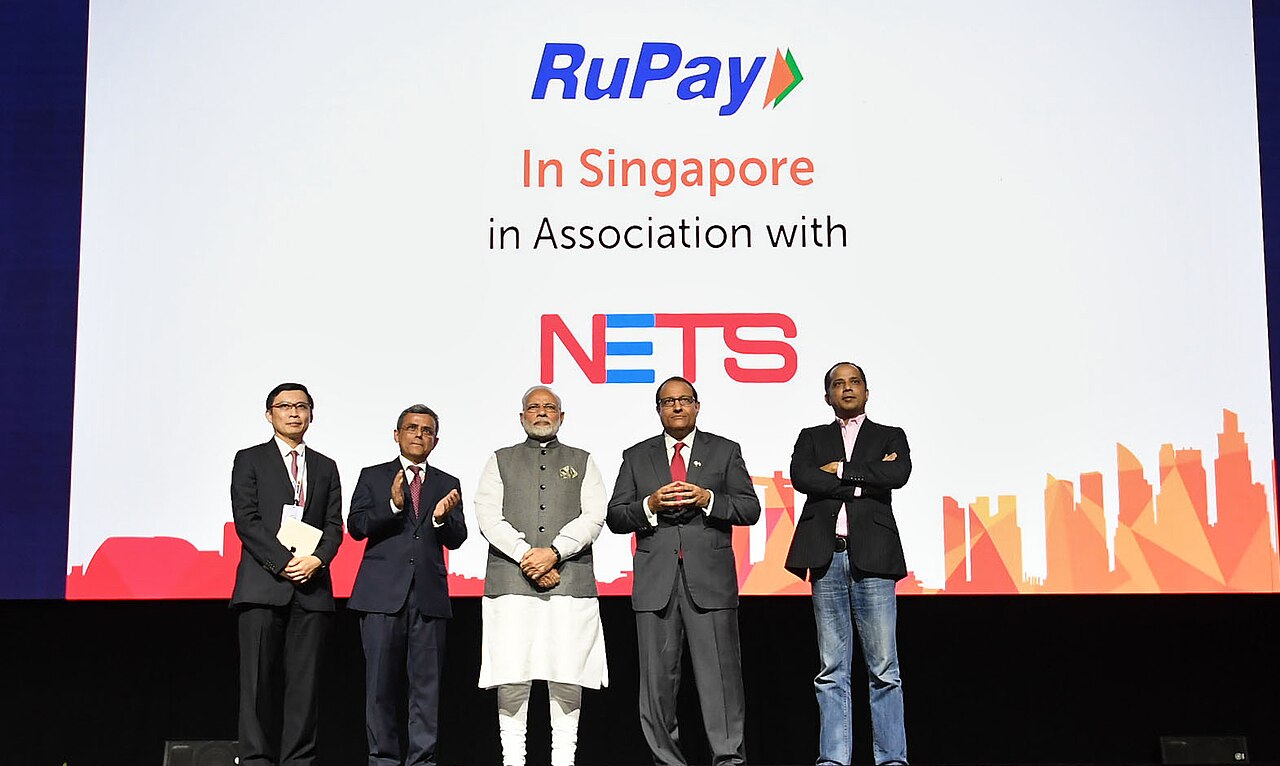
ఫోటో: Prime Minister's Office / Wikimedia Commons (GODL-India)
How UPI changed money in India — and why the world is copying it
Whether it's drinking Irani chai on the roadside in Hyderabad, buying vegetables in the countryside, or putting a gift in a hundi in Tirumala — now a QR code scan is enough. This change, which was unthinkable ten years ago, is called UPI — Unified Payments Interface.
Who created UPI?
The Reserve Bank of India and the Indian Banks' Association formed a non-profit organization called the National Payments Corporation of India (NPCI) in 2008. After systems like RuPay Card and IMPS, NPCI launched UPI in 2016. Its specialty — money can be sent from one person to another in seconds, regardless of the bank account, or the app used. A small "UPI ID" or phone number is all that is needed, without the need for a bank account number or IFSC code.
Demonetization — an unexpected boost
Demonetization of high-value notes took place in November 2016. Due to the shortage of cash in hand, people turned to digital payments. At the same time, the government brought the "BHIM" app. Later, apps like PhonePe, Google Pay, and Paytm brought UPI to crores of people. Another strength of this is the cheap mobile data available due to Jio.
Why so much success?
1. Free: There are no charges on UPI payments for general consumers and small merchants.
2. 24 hours: Money arrives immediately, even on holidays and at midnight.
3. QR Code: No need to buy a card machine. Just a QR code printed on a piece of paper.
4. Open system: Any company can build an app on UPI. Competition has improved services.
5. Jan Dhan accounts, Aadhaar: The foundation of UPI was laid by the fact that crores of poor people had bank accounts.
Worldview
International reports say that India now accounts for a large share of real-time digital payments in the world. Countries like Singapore, UAE, France, Sri Lanka, Nepal, and Mauritius have introduced UPI payment facilities for Indians. Some countries are showing interest in designing their own systems on the UPI model. Another benefit is that it makes it easier for Telugu families working in the Gulf to send money home.
New facilities
Services like UPI Lite (small payments without a PIN), linking credit cards to UPI, UPI 123Pay for feature phones, and AutoPay (monthly bills automatically) are now available.
Beware of scams — important rules
• A PIN is never required to receive money. "We're sending you money, please enter your PIN" is definitely a scam.
• Do not accept "collect requests" from unknown people.
• Scanning the QR code is only for sending money — not for receiving it.
• Don't search for customer care numbers on Google and call; use the help section within the app.
• If someone tells you to download screen sharing apps, don't do it.
• In case of fraud, immediately call the 1930 Cyber Crime Helpline or file a complaint at cybercrime.gov.in.
Conclusion
UPI is not just a payment app; it is a technological revolution that has made the common man a part of the economy. If used wisely and carefully, it is a bank in our pocket.
Photo: Prime Minister's Office / Wikimedia Commons (GODL-India)