
బిజినెస్
ద్రవ్యోల్బణం, రూపాయి విలువ: మీ నెలవారీ బడ్జెట్పై ప్రభావం
ధరలు ఎందుకు పెరుగుతూనే ఉంటాయి, ఆర్బీఐ ఏం చేస్తుంది, రూపాయి బలహీనపడితే పెట్రోల్ ధర ఎందుకు పెరుగుతుంది — మీ పొదుపును కాపాడుకునే మార్గాలు.
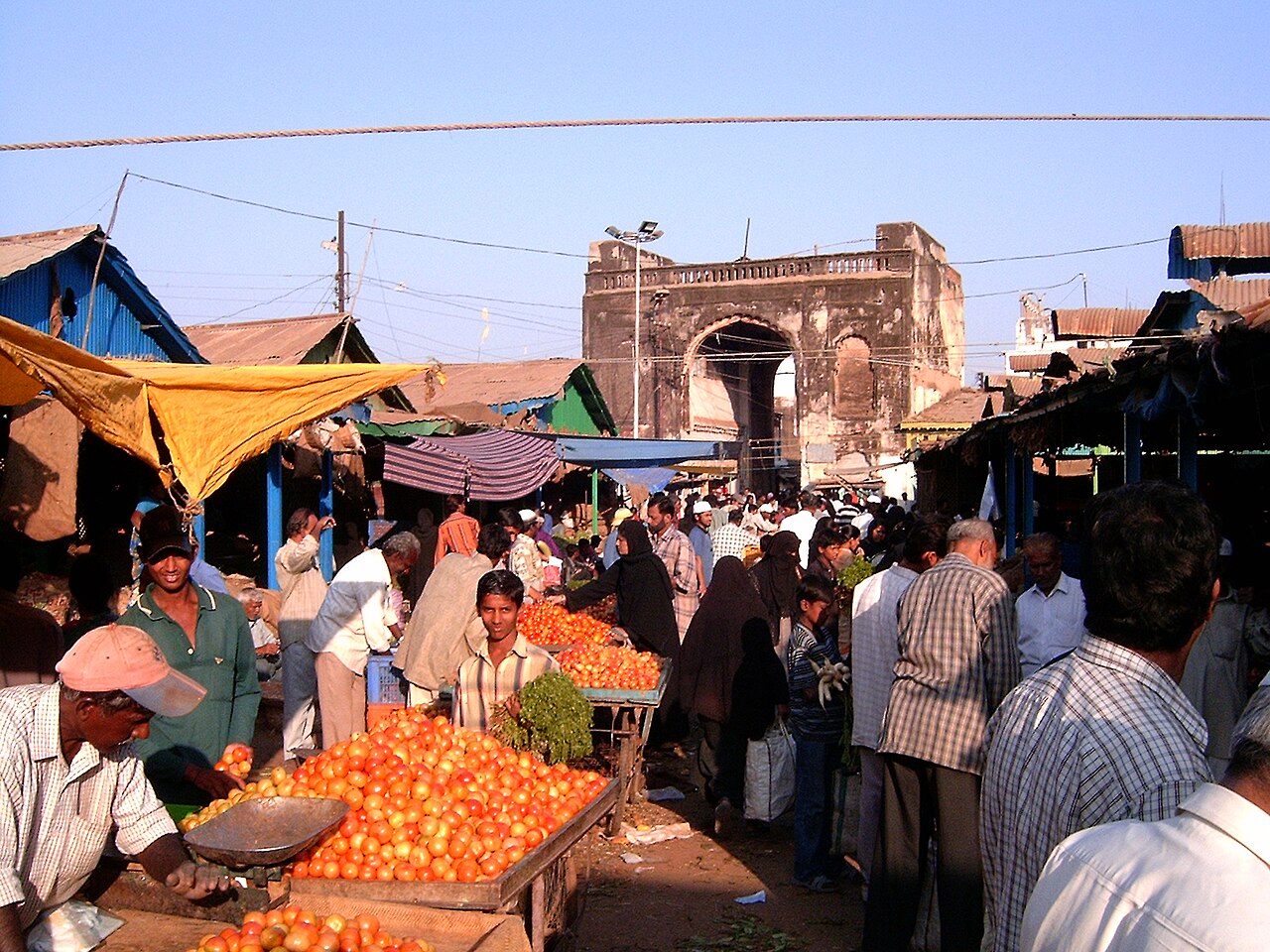
పదేళ్ల క్రితం ₹100తో సంచి నిండా కూరగాయలు వచ్చేవి. ఇప్పుడు అదే ₹100తో సగం సంచి కూడా రాదు. జీతం పెరిగినా నెలాఖరుకు డబ్బులు సరిపోవడం లేదనే ఫిర్యాదు ప్రతి మధ్యతరగతి ఇంట్లో వినిపిస్తుంది. దీని వెనుక ఉన్న రెండు ముఖ్య ఆర్థిక భావనలు — ద్రవ్యోల్బణం, రూపాయి మారకం విలువ. వీటిని సులువుగా అర్థం చేసుకుందాం.
ద్రవ్యోల్బణం అంటే ఏమిటి?
కాలక్రమంలో వస్తువులు, సేవల ధరలు సాధారణంగా పెరగడాన్ని ద్రవ్యోల్బణం అంటారు. ద్రవ్యోల్బణం 6% అంటే, గత ఏడాది ₹100కు దొరికిన వస్తువుల బుట్ట ఈ ఏడాది ₹106 అవుతుంది. మరో మాటలో — మీ రూపాయి కొనుగోలు శక్తి తగ్గుతుంది.
ఎలా కొలుస్తారు?
భారత్లో "వినియోగదారుల ధరల సూచీ" (సీపీఐ) ద్వారా రిటైల్ ద్రవ్యోల్బణాన్ని కొలుస్తారు. ఆహారం, ఇంధనం, దుస్తులు, ఇంటి అద్దె, విద్య, వైద్యం వంటి వస్తువుల బుట్ట ధరలను ప్రతి నెలా లెక్కిస్తారు. ఆహార పదార్థాలకు ఈ బుట్టలో పెద్ద వాటా ఉంటుంది — అందుకే ఉల్లి, టమాటా ధరలు పెరిగితే ద్రవ్యోల్బణం వెంటనే పెరుగుతుంది.
ధరలు ఎందుకు పెరుగుతాయి?
1. డిమాండ్ ఎక్కువ, సరఫరా తక్కువ: వర్షాభావంతో పంటలు దెబ్బతింటే కూరగాయల ధరలు పెరుగుతాయి.
2. ఉత్పత్తి ఖర్చు పెరగడం: డీజిల్ ధర పెరిగితే రవాణా ఖర్చు పెరిగి ప్రతి వస్తువు ధర పెరుగుతుంది.
3. ప్రపంచ పరిణామాలు: యుద్ధాలు, అంతర్జాతీయ చమురు ధరలు, సరఫరా గొలుసు అంతరాయాలు.
4. అధిక నగదు చలామణి: మార్కెట్లో డబ్బు ఎక్కువగా ఉండి, వస్తువులు అంతే ఉంటే ధరలు పెరుగుతాయి.
ఆర్బీఐ పాత్ర
ద్రవ్యోల్బణాన్ని నియంత్రించడం భారతీయ రిజర్వ్ బ్యాంక్ ప్రధాన బాధ్యత. ప్రభుత్వం నిర్ణయించిన లక్ష్యం ప్రకారం రిటైల్ ద్రవ్యోల్బణాన్ని 4% వద్ద (2% నుంచి 6% శ్రేణిలో) ఉంచడానికి ఆర్బీఐ ప్రయత్నిస్తుంది. దీనికి ప్రధాన సాధనం "రెపో రేటు" — బ్యాంకులకు ఆర్బీఐ ఇచ్చే రుణాలపై వడ్డీ రేటు.
• ద్రవ్యోల్బణం ఎక్కువైతే → రెపో రేటు పెంచుతుంది → రుణాలు ఖరీదవుతాయి → ఖర్చులు తగ్గి ధరలు నెమ్మదిస్తాయి. (మీ హోమ్ లోన్ ఈఎంఐ పెరుగుతుంది.)
• ద్రవ్యోల్బణం తక్కువై, వృద్ధి మందగిస్తే → రెపో రేటు తగ్గిస్తుంది → రుణాలు చౌకవుతాయి.
రూపాయి మారకం విలువ
ఒక డాలర్ కొనడానికి ఎన్ని రూపాయలు కావాలనేదే రూపాయి మారకం విలువ. రూపాయి "బలహీనపడింది" అంటే డాలర్కు ఎక్కువ రూపాయలు చెల్లించాలి.
రూపాయి బలహీనపడితే మనపై ప్రభావం
• పెట్రోల్, డీజిల్: భారత్ తన ముడి చమురు అవసరాల్లో అధిక భాగం దిగుమతి చేసుకుంటుంది. రూపాయి బలహీనపడితే చమురు దిగుమతి ఖరీదై ఇంధన ధరలు పెరిగే ఒత్తిడి ఉంటుంది.
• ఎలక్ట్రానిక్స్: ఫోన్లు, ల్యాప్టాప్లు, విడిభాగాలు ఖరీదవుతాయి.
• విదేశీ విద్య, ప్రయాణం: అమెరికాలో చదువుతున్న పిల్లల ఫీజులు రూపాయల్లో ఎక్కువవుతాయి.
• వంటనూనె, పప్పులు: దిగుమతి చేసుకునే వస్తువుల ధరలు పెరుగుతాయి.
ఎవరికి లాభం?
• ఎన్ఆర్ఐ కుటుంబాలు: గల్ఫ్, అమెరికాలో పనిచేసేవారు ఇంటికి పంపే డబ్బు రూపాయల్లో ఎక్కువ అవుతుంది — తెలుగు రాష్ట్రాల్లో లక్షలాది కుటుంబాలకు ఇది ప్రయోజనం.
• ఎగుమతిదారులు: ఐటీ కంపెనీలు, ఫార్మా ఎగుమతిదారుల ఆదాయం పెరుగుతుంది.
మీ పొదుపును ఎలా కాపాడుకోవాలి?
1. "నిజమైన రాబడి" లెక్కించండి: బ్యాంకు ఎఫ్డీ 7% వడ్డీ ఇస్తుంటే, ద్రవ్యోల్బణం 6% ఉంటే, మీ నిజమైన రాబడి కేవలం 1% మాత్రమే (పన్ను పోగా ఇంకా తక్కువ).
2. దీర్ఘకాల లక్ష్యాలకు: మీ రిస్క్ సామర్థ్యాన్ని బట్టి సెబీ నియంత్రణలోని మ్యూచువల్ ఫండ్లు (సిప్ ద్వారా), పీపీఎఫ్ వంటి సాధనాలను పరిశీలించండి. పెట్టుబడి నిర్ణయాలకు ముందు సెబీ-రిజిస్టర్డ్ సలహాదారుని సంప్రదించడం మంచిది.
3. అత్యవసర నిధి: కనీసం 3–6 నెలల ఖర్చులకు సరిపడా డబ్బు సులువుగా తీసుకోగలిగే రూపంలో ఉంచండి.
4. ఆరోగ్య బీమా: వైద్య ఖర్చుల ద్రవ్యోల్బణం సాధారణ ద్రవ్యోల్బణం కంటే ఎక్కువ. ఒక్క ఆసుపత్రి బిల్లు ఏళ్ల పొదుపును మింగేయగలదు.
5. బడ్జెట్ రాయండి: ప్రతి నెలా ఖర్చులు రాసుకుంటే ఎక్కడ డబ్బు వృథా అవుతోందో తెలుస్తుంది.
6. "గ్యారంటీ అధిక రాబడి" మోసాలకు దూరం: ద్రవ్యోల్బణ భయంతో అధిక రాబడి ఆశచూపే చిట్టీలు, పథకాల్లో పెట్టి మోసపోవద్దు.
ముగింపు
ద్రవ్యోల్బణం నిశ్శబ్ద దొంగ — మీకు తెలియకుండానే మీ పొదుపు విలువను తగ్గిస్తుంది. దాన్ని అర్థం చేసుకుని, తెలివైన ఆర్థిక నిర్ణయాలు తీసుకుంటే మీ కుటుంబ భవిష్యత్తు సురక్షితంగా ఉంటుంది.
ఫోటో: Iijjccoo at Dutch Wikipedia / Wikimedia Commons (Public domain)
Inflation and the rupee: How they affect your monthly budget
Ten years ago, a bag full of vegetables could be bought for ₹100. Now, even half a bag cannot be bought for the same ₹100. Every middle-class household complains that despite the increase in salary, there is not enough money to make ends meet. The two key economic concepts behind this are — inflation and the exchange rate of the rupee. Let us understand these in a simple way.
What is inflation?
Inflation is the general increase in the prices of goods and services over time. An inflation rate of 6% means that a basket of goods that cost ₹100 last year will cost ₹106 this year. In other words — the purchasing power of your rupee will decrease.
How is it measured?
In India, retail inflation is measured by the Consumer Price Index (CPI). The prices of a basket of goods such as food, fuel, clothing, rent, education, and healthcare are calculated every month. Food items make up a large portion of this basket — so if the prices of onions and tomatoes increase, inflation will immediately increase.
Why do prices rise?
1. High demand, low supply: Vegetable prices will increase if crops are damaged due to lack of rain.
2. Increase in production cost: If the price of diesel increases, the cost of transportation will increase and the price of each item will increase.
3. Global developments: wars, international oil prices, supply chain disruptions.
4. Excessive cash flow: If there is more money in the market and the same amount of goods, prices will rise.
Role of RBI
The Reserve Bank of India's primary responsibility is to control inflation. The RBI aims to keep retail inflation at 4% (within a range of 2% to 6%) as per the government's target. The main instrument for this is the "repo rate" — the interest rate on loans that the RBI lends to banks.
• If inflation increases → Repo rate increases → Loans become more expensive → Costs fall and prices slow down. (Your home loan EMI increases.)
• If inflation decreases and growth slows down → repo rate decreases → loans become cheaper.
Rupee exchange rate
The exchange rate of the rupee is how many rupees it takes to buy one dollar. A "weaker" rupee means you have to pay more rupees for a dollar.
If the rupee weakens, it will affect us.
• Petrol and diesel: India imports a large portion of its crude oil requirements. A weakening rupee will make oil imports more expensive, putting upward pressure on fuel prices.
• Electronics: Phones, laptops, and spare parts are expensive.
• Foreign education and travel: The fees of children studying in America will increase in rupees.
• Cooking oil, pulses: Prices of imported goods will increase.
Who benefits?
• NRI families: Those working in the Gulf and America will send home more money in rupees — a benefit for millions of families in the Telugu states.
• Exporters: Income of IT companies and pharma exporters will increase.
How to protect your savings?
1. Calculate the "real return": If a bank FD is offering 7% interest, and inflation is 6%, your real return is only 1% (even less after taxes).
2. For long-term goals: Depending on your risk tolerance, consider instruments like SEBI-regulated mutual funds (via SIP), PPF etc. It is advisable to consult a SEBI-registered advisor before making investment decisions.
3. Emergency Fund: Keep enough money in an easily accessible form to cover at least 3–6 months of expenses.
4. Health Insurance: Medical cost inflation is higher than general inflation. A single hospital bill can wipe out years of savings.
5. Write a budget: Writing down your expenses every month will help you see where money is being wasted.
6. Avoid "guaranteed high returns" scams: Don't be fooled by investing in chits and schemes that promise high returns due to fear of inflation.
Conclusion
Inflation is a silent thief — it can erode the value of your savings without you even realizing it. Understanding it and making smart financial decisions can help secure your family's future.
Photo: Iijjccoo at Dutch Wikipedia / Wikimedia Commons (Public domain)