
బిజినెస్
జీడీపీ అంటే ఏమిటి? సులువైన తెలుగులో వివరణ
జీడీపీ, వృద్ధి రేటు, నామమాత్ర vs వాస్తవ, తలసరి ఆదాయం — వార్తల్లో వినే సంఖ్యలు, రోజువారీ ఉదాహరణలతో.
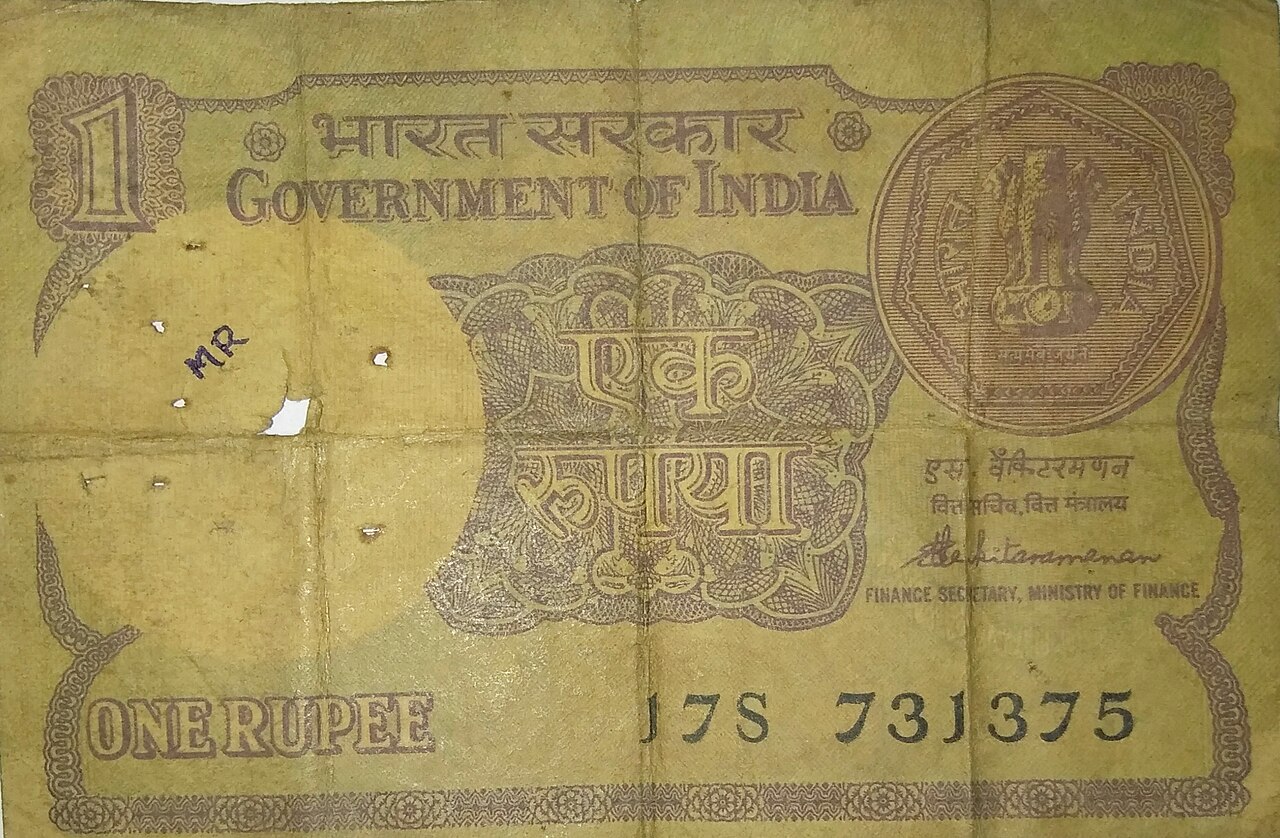
"భారత జీడీపీ వృద్ధి రేటు ఈ త్రైమాసికంలో ఇంత శాతం", "భారత్ ప్రపంచంలో ఐదో అతిపెద్ద ఆర్థిక వ్యవస్థ" — ఇలాంటి వార్తలు తరచూ వింటాం. కానీ జీడీపీ అంటే ఏమిటి? దాన్ని ఎలా లెక్కిస్తారు? అది మన జీవితాలకు ఎలా సంబంధించినది? పోటీ పరీక్షల అభ్యర్థులకు, సామాన్య పాఠకులకు అర్థమయ్యేలా సులువుగా వివరిస్తాం.
జీడీపీ — నిర్వచనం
జీడీపీ అంటే "గ్రాస్ డొమెస్టిక్ ప్రొడక్ట్" — తెలుగులో "స్థూల దేశీయోత్పత్తి". ఒక దేశ సరిహద్దుల లోపల, ఒక నిర్ణీత కాలంలో (సాధారణంగా ఒక సంవత్సరం లేదా త్రైమాసికం) ఉత్పత్తి అయిన అన్ని తుది వస్తువులు, సేవల మొత్తం మార్కెట్ విలువ.
ఒక ఊరి ఉదాహరణ
ఒక చిన్న గ్రామాన్ని ఊహించుకోండి. ఒక ఏడాదిలో:
• రైతులు ₹50 లక్షల విలువైన బియ్యం పండించారు.
• దర్జీలు ₹5 లక్షల విలువైన దుస్తులు కుట్టారు.
• ఉపాధ్యాయులు, డాక్టర్లు, మెకానిక్లు ₹20 లక్షల విలువైన సేవలు అందించారు. ఆ గ్రామ "జీడీపీ" = ₹75 లక్షలు. దేశం మొత్తానికి ఇదే లెక్క, కానీ కోట్లాది లావాదేవీలతో.
"తుది" వస్తువులు ఎందుకు?
రైతు గోధుమలు అమ్మాడు (₹100), మిల్లర్ పిండి చేసి అమ్మాడు (₹150), బేకరీ బ్రెడ్ చేసి అమ్మింది (₹250). మూడూ కలిపితే ₹500 అవుతుంది — కానీ అది తప్పు, ఎందుకంటే గోధుమల విలువ మూడుసార్లు లెక్కలోకి వస్తుంది. అందుకే తుది ఉత్పత్తి (బ్రెడ్ ₹250) మాత్రమే లెక్కిస్తారు.
జీడీపీ లెక్కింపు — మూడు మార్గాలు
1. ఉత్పత్తి పద్ధతి: వ్యవసాయం, పరిశ్రమలు, సేవలు — ప్రతి రంగం జోడించిన విలువను కలపడం.
2. వ్యయ పద్ధతి: ప్రజల ఖర్చు + ప్రభుత్వ ఖర్చు + పెట్టుబడులు + (ఎగుమతులు – దిగుమతులు).
3. ఆదాయ పద్ధతి: జీతాలు, అద్దెలు, వడ్డీలు, లాభాలు కలపడం. సిద్ధాంతపరంగా మూడు పద్ధతుల్లోనూ ఒకే సంఖ్య రావాలి. భారత్లో జాతీయ గణాంకాల కార్యాలయం (ఎన్ఎస్ఓ) జీడీపీ అంచనాలు విడుదల చేస్తుంది.
నామమాత్ర vs వాస్తవ జీడీపీ
ఈ ఏడాది ధరలు 6% పెరిగితే, ఉత్పత్తి పెరగకపోయినా జీడీపీ సంఖ్య 6% పెరిగినట్లు కనిపిస్తుంది. అందుకే:
• నామమాత్ర (నామినల్) జీడీపీ: ప్రస్తుత ధరల్లో లెక్కించినది.
• వాస్తవ (రియల్) జీడీపీ: ఒక ఆధార సంవత్సరం ధరల్లో లెక్కించినది — ధరల పెరుగుదల ప్రభావం తొలగించినది. వార్తల్లో "వృద్ధి రేటు" అంటే సాధారణంగా వాస్తవ జీడీపీ వృద్ధి.
తలసరి జీడీపీ
మొత్తం జీడీపీ ÷ జనాభా. భారత్ మొత్తం జీడీపీలో ప్రపంచంలో అగ్ర దేశాల్లో ఒకటి అయినా, జనాభా ఎక్కువ కాబట్టి తలసరి ఆదాయంలో చాలా దేశాల కంటే వెనుకబడి ఉంది. "పెద్ద ఆర్థిక వ్యవస్థ" అంటే "ధనిక ప్రజలు" అని అర్థం కాదు.
జీడీపీ మనకు ఎందుకు ముఖ్యం?
• జీడీపీ వేగంగా పెరిగితే సాధారణంగా ఉద్యోగాలు, వ్యాపార అవకాశాలు పెరుగుతాయి.
• ప్రభుత్వ పన్ను ఆదాయం పెరిగి సంక్షేమం, మౌలిక వసతులకు ఎక్కువ నిధులు అందుతాయి.
• ఆర్బీఐ వడ్డీ రేట్ల నిర్ణయాల్లో జీడీపీ వృద్ధి ఒక ముఖ్య అంశం — ఇది మీ హోమ్ లోన్ ఈఎంఐని ప్రభావితం చేస్తుంది.
• విదేశీ పెట్టుబడిదారులు ఒక దేశంలో పెట్టుబడి పెట్టాలా వద్దా అనేది జీడీపీ వృద్ధిని చూసి నిర్ణయిస్తారు.
జీడీపీ ఏం చెప్పదు?
1. అసమానత: జీడీపీ పెరిగినా ఆ లాభం కొద్దిమందికే చేరవచ్చు.
2. ఇంటి పని: ఇంట్లో మహిళలు చేసే వంట, పిల్లల సంరక్షణ వంటి వేతనం లేని పని జీడీపీలో లెక్కకు రాదు.
3. పర్యావరణం: అడవులు నరికి కలప అమ్మితే జీడీపీ పెరుగుతుంది, కానీ పర్యావరణ నష్టం లెక్కలోకి రాదు.
4. సంతోషం, ఆరోగ్యం: జీడీపీ ఆదాయాన్ని కొలుస్తుంది, జీవన నాణ్యతను కాదు. అందుకే మానవాభివృద్ధి సూచీ (హెచ్డీఐ) వంటి ఇతర కొలమానాలు కూడా వాడతారు.
5. అసంఘటిత రంగం: భారత్లో చాలా ఆర్థిక కార్యకలాపాలు రికార్డుల్లో ఉండవు; వాటిని అంచనా వేయడం కష్టం.
పరీక్షలకు ముఖ్యాంశాలు
• జీడీపీ vs జీఎన్పీ: జీఎన్పీ = జీడీపీ + విదేశాల నుంచి దేశ పౌరుల నికర ఆదాయం.
• జీఎస్డీపీ: రాష్ట్ర స్థాయి జీడీపీ.
• ఆధార సంవత్సరం: వాస్తవ జీడీపీ లెక్కింపునకు ప్రామాణిక సంవత్సరం.
• ఆర్థిక సంవత్సరం: భారత్లో ఏప్రిల్ 1 నుంచి మార్చి 31 వరకు.
ముగింపు
జీడీపీ ఒక దేశ ఆర్థిక ఆరోగ్యానికి థర్మామీటర్ లాంటిది — ముఖ్యమైనది, కానీ పూర్తి చిత్రం కాదు. వృద్ధి సంఖ్యలతో పాటు ఉద్యోగాలు, ధరలు, అసమానతలు, ప్రజల జీవన నాణ్యతను కూడా చూసినప్పుడే నిజమైన ప్రగతి అర్థమవుతుంది.
ఫోటో: Reserve Bank of India / Wikimedia Commons (GODL-India)
GDP explained in simple Telugu: What it measures and what it misses
"India's GDP growth rate this quarter is this percentage", "India is the fifth largest economy in the world" — we often hear such news. But what is GDP? How is it calculated? How is it related to our lives? Let's explain it in a simple way so that competitive exam candidates and general readers can understand.
GDP — Definition
GDP stands for "Gross Domestic Product." The total market value of all final goods and services produced within a country's borders during a given period (usually a year or quarter).
An example of a village
Imagine a small village. In one year:
• Farmers harvested rice worth ₹50 lakh.
• Tailors sewed clothes worth ₹5 lakh.
• Teachers, doctors, mechanics provided services worth ₹20 lakh. That village's "GDP" = ₹75 lakh. The same figure for the entire country, but with transactions in crores.
Why "final" items?
The farmer sold the wheat (₹100), the miller sold the flour (₹150), and the bakery sold the bread (₹250). Adding all three together makes ₹500 — but that is wrong, because the value of the wheat is counted three times. That is why only the final product (bread ₹250) is counted.
GDP calculation — three ways
1. Production method: Agriculture, industry, services — combining the value added of each sector.
2. Expenditure method: Public expenditure + Government expenditure + Investments + (Exports – Imports).
3. Income method: Adding salaries, rents, interest, and profits. Theoretically, all three methods should yield the same number. In India, the National Statistical Office (NSO) releases GDP estimates.
Nominal vs Real GDP
If prices increase by 6% this year, the GDP number will appear to have increased by 6% even though production has not increased. This is why:
• Nominal GDP: Calculated at current prices.
• Real GDP: Measured in the prices of a base year — the effect of inflation is removed. In the news, "growth rate" usually means real GDP growth.
GDP per capita
Total GDP ÷ Population. Although India is one of the top countries in the world in terms of total GDP, it lags behind many countries in terms of per capita income due to its large population. "Big economy" does not necessarily mean "rich people".
Why is GDP important to us?
• Rapid GDP growth generally leads to an increase in jobs and business opportunities.
• Government tax revenue will increase, providing more funds for welfare and infrastructure.
• GDP growth is a key factor in RBI's interest rate decisions — which affects your home loan EMI.
• Foreign investors decide whether to invest in a country or not based on GDP growth.
What doesn't GDP tell us?
1. Inequality: Even if GDP increases, the benefits may only reach a few.
2. Domestic work: Unpaid work done by women at home, such as cooking and childcare, is not counted in GDP.
3. Environment: Cutting down forests and selling timber will increase GDP, but the environmental damage will not be taken into account.
4. Happiness and health: GDP measures income, not quality of life. That is why other metrics such as the Human Development Index (HDI) are also used.
5. Unorganized sector: Most economic activities in India are unrecorded; they are difficult to estimate.
Highlights for exams
• GDP vs GNP: GNP = GDP + net income of citizens of the country from abroad.
• GSDP: State level GDP.
• Base year: The standard year for calculating real GDP.
• Fiscal year: April 1 to March 31 in India.
Conclusion
GDP is like a thermometer for a country's economic health — important, but not the whole picture. Real progress can only be understood when we look at jobs, prices, inequality, and people's quality of life in addition to growth numbers.
Photo: Reserve Bank of India / Wikimedia Commons (GODL-India)