
బిజినెస్
భారత్కు ఏటీఎం, డెబిట్ కార్డు, రూపే ఎలా వచ్చాయి? సురక్షితంగా వాడే విధానం
1987లో తొలి ఏటీఎం నుంచి భారత సొంత రూపే కార్డు, కార్డు లేకుండా యూపీఐతో నగదు వరకు — ప్రతి కార్డుదారు పాటించాల్సిన భద్రతా నియమాలతో.
ఒకప్పుడు డబ్బు తీసుకోవాలంటే బ్యాంకు పనివేళల్లోనే వెళ్లి, విత్డ్రాయల్ ఫారం నింపి, టోకెన్ తీసుకుని, క్యూలో నిలబడాల్సి వచ్చేది. శనివారం మధ్యాహ్నం తర్వాత డబ్బు అవసరమైతే సోమవారం వరకు ఆగాల్సిందే. ఈ రోజు అర్ధరాత్రి కూడా వీధి చివరి ఏటీఎం నుంచి క్షణాల్లో నగదు తీసుకుంటున్నాం. ఈ మార్పు ప్రయాణం ఇది.
ప్రపంచంలో తొలి ఏటీఎం
1967లో లండన్లో ప్రపంచంలోని తొలి ఏటీఎంలలో ఒకటి ఏర్పాటైంది. ఆసక్తికరమైన విషయం — దాని ఆవిష్కర్త జాన్ షెపర్డ్-బారన్ భారతదేశంలోని షిల్లాంగ్లో జన్మించారు. ఏటీఎం పిన్ నంబర్ ఆరు అంకెలుగా ఉండాలనుకున్నా, తన భార్య నాలుగు అంకెలే గుర్తుంచుకోగలదని నాలుగు అంకెల పిన్ పెట్టారనే కథ ప్రసిద్ధం.
భారత్లో తొలి ఏటీఎం (1987)
1987లో ముంబైలో హెచ్ఎస్బీసీ బ్యాంకు భారత్లో తొలి ఏటీఎంను ఏర్పాటు చేసింది. మొదట్లో విదేశీ బ్యాంకులు, తర్వాత ప్రైవేట్ బ్యాంకులు నగరాల్లో ఏటీఎంలు పెట్టాయి. 2000ల్లో ప్రభుత్వ బ్యాంకులు కూడా వేగంగా విస్తరించాయి. ఇప్పుడు దేశంలో లక్షలాది ఏటీఎంలు ఉన్నాయి. ఏ బ్యాంకు కార్డుతోనైనా ఏ బ్యాంకు ఏటీఎం వాడగలగడం (ఇంటర్ఆపరబిలిటీ) పెద్ద సౌలభ్యం.
డెబిట్, క్రెడిట్ కార్డులు
• డెబిట్ కార్డు: మీ బ్యాంకు ఖాతాలోని డబ్బునే వాడుతుంది.
• క్రెడిట్ కార్డు: బ్యాంకు ఇచ్చే స్వల్పకాలిక రుణం; గడువులోగా చెల్లించకపోతే అధిక వడ్డీ. చాలాకాలం భారత్లో కార్డులన్నీ వీసా, మాస్టర్కార్డ్ వంటి విదేశీ నెట్వర్క్లపైనే నడిచేవి. ప్రతి లావాదేవీకి ఆ సంస్థలకు ఫీజు చెల్లించాల్సి వచ్చేది.
రూపే — భారత సొంత కార్డు (2012)
ఈ ఆధారాన్ని తగ్గించేందుకు నేషనల్ పేమెంట్స్ కార్పొరేషన్ ఆఫ్ ఇండియా (ఎన్పీసీఐ) 2012లో "రూపే" కార్డు నెట్వర్క్ను ప్రారంభించింది. "రూపాయి", "పేమెంట్" కలిపి ఈ పేరు. 2014 నుంచి జన్ ధన్ ఖాతాదారులందరికీ రూపే డెబిట్ కార్డులు ఇవ్వడంతో కోట్లాది మందికి తొలిసారి కార్డు చేతికి వచ్చింది. ఇప్పుడు రూపే క్రెడిట్ కార్డులను యూపీఐకి అనుసంధానించి చెల్లింపులు చేయవచ్చు. కొన్ని దేశాల్లో కూడా రూపే కార్డులు పనిచేస్తున్నాయి.
కార్డు లేకుండా నగదు
ఇప్పుడు చాలా బ్యాంకుల ఏటీఎంలలో కార్డు లేకుండా యూపీఐ యాప్తో క్యూఆర్ కోడ్ స్కాన్ చేసి నగదు తీసుకోవచ్చు. కార్డు స్కిమ్మింగ్ ప్రమాదం ఉండదు కాబట్టి ఇది సురక్షితమైన పద్ధతి కూడా.
ఉచిత లావాదేవీల పరిమితి
ఆర్బీఐ నిబంధనల ప్రకారం ప్రతి నెలా మీ సొంత బ్యాంకు, ఇతర బ్యాంకుల ఏటీఎంలలో నిర్ణీత సంఖ్యలో లావాదేవీలు ఉచితం. ఆ పరిమితి దాటితే ప్రతి లావాదేవీకి చార్జీ పడుతుంది. ఖచ్చితమైన పరిమితులు, చార్జీల కోసం మీ బ్యాంకు నిబంధనలు చూడండి. బ్యాలెన్స్ తెలుసుకోవడానికి ఏటీఎం బదులు మొబైల్ యాప్ వాడితే ఉచిత లావాదేవీలు ఆదా అవుతాయి.
ఏటీఎం భద్రత — తప్పక పాటించాల్సినవి
1. పిన్ దాచండి: పిన్ టైప్ చేసేటప్పుడు మరో చేత్తో కీప్యాడ్ను కప్పండి. పై భాగంలో రహస్య కెమెరా ఉండవచ్చు.
2. కార్డు స్లాట్ చూడండి: కార్డు పెట్టే చోట అదనంగా అమర్చిన పరికరం (స్కిమ్మర్) లాంటిది కనిపిస్తే, కీప్యాడ్ వదులుగా ఉంటే ఆ ఏటీఎం వాడకండి.
3. అపరిచితుల సహాయం వద్దు: "నేను సహాయం చేస్తా" అని వచ్చేవారు కార్డు మార్చేసే మోసాలు జరుగుతున్నాయి. సమస్య వస్తే బ్యాంకు హెల్ప్లైన్కు మాత్రమే కాల్ చేయండి.
4. ఎస్ఎంఎస్ అలర్ట్లు: ప్రతి లావాదేవీకి ఎస్ఎంఎస్ వచ్చేలా మొబైల్ నంబర్ అప్డేట్ చేయండి.
5. పిన్ మార్చండి: క్రమం తప్పకుండా పిన్ మార్చండి. పుట్టినరోజు, 1234 వంటి సులువైన పిన్లు వద్దు. పిన్ను కార్డుపై లేదా పర్సులో రాయకండి.
6. కార్డు నియంత్రణ: బ్యాంకు యాప్లో అంతర్జాతీయ లావాదేవీలు, ఆన్లైన్ లావాదేవీలను అవసరం లేనప్పుడు ఆఫ్ చేయవచ్చు, రోజువారీ పరిమితి తగ్గించవచ్చు.
7. కార్డు పోతే: వెంటనే బ్యాంకు యాప్ లేదా హెల్ప్లైన్ ద్వారా కార్డు బ్లాక్ చేయండి.
8. డబ్బు రాక, ఖాతాలో కట్ అయితే: ఆర్బీఐ నిబంధనల ప్రకారం నిర్ణీత రోజుల్లో బ్యాంకు డబ్బు తిరిగి జమ చేయాలి; ఆలస్యమైతే పరిహారం కూడా చెల్లించాలి. బ్యాంకుకు ఫిర్యాదు చేయండి; పరిష్కారం కాకపోతే ఆర్బీఐ అంబుడ్స్మన్ను ఆశ్రయించవచ్చు.
ముగింపు
ఏటీఎం నుంచి యూపీఐ వరకు — బ్యాంకింగ్ మన జేబులోకి వచ్చేసింది. సౌకర్యం పెరిగిన కొద్దీ జాగ్రత్త కూడా పెరగాలి. బ్యాంకు ఎప్పుడూ ఫోన్లో మీ పిన్, ఓటీపీ, సీవీవీ అడగదు — ఈ ఒక్క విషయం గుర్తుంచుకుంటే చాలా మోసాల నుంచి తప్పించుకోవచ్చు.
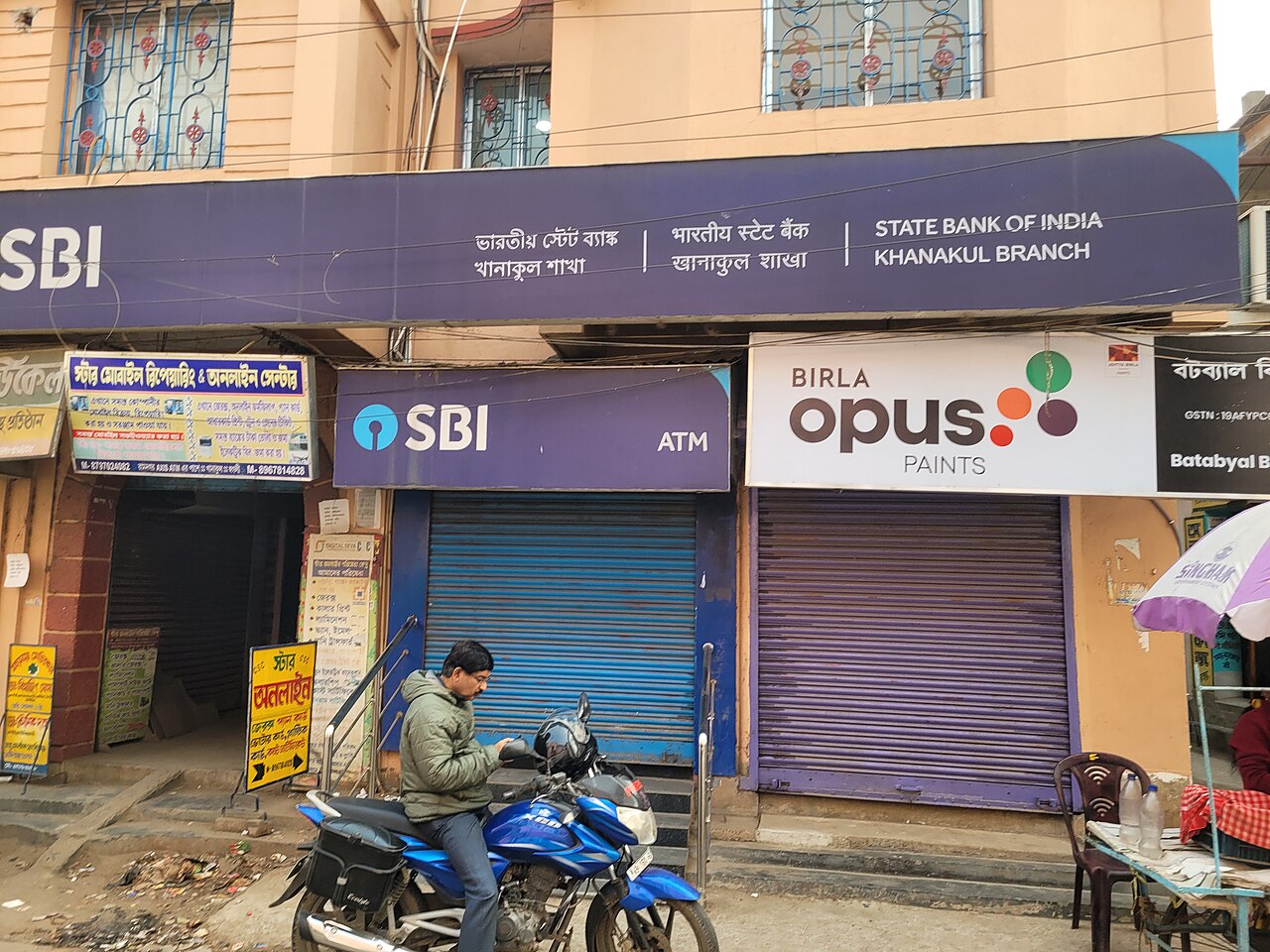
ఫోటో: WikiForRay / Wikimedia Commons (CC BY-SA 4.0)
How ATMs, debit cards and RuPay came to India — and how to use them safely
Once upon a time, to withdraw money, you had to go to the bank during business hours, fill out a withdrawal form, get a token, and stand in a queue. If you needed money after Saturday afternoon, you had to wait until Monday. Today, even in the middle of the night, we can withdraw cash from the ATM at the end of the street in seconds. This is the journey of change.
The world's first ATM
One of the world's first ATMs was installed in London in 1967. Interesting fact — its inventor, John Shepherd-Barron, was born in Shillong, India. The story is famous for being a four-digit PIN number, as he wanted the ATM PIN to be six digits, but his wife could only remember four digits.
First ATM in India (1987)
In 1987, HSBC Bank set up the first ATM in India in Mumbai. Initially, foreign banks and later private banks set up ATMs in cities. In the 2000s, government banks also expanded rapidly. Now there are millions of ATMs in the country. Interoperability is a big convenience, as you can use any bank's ATM with any bank card.
Debit and credit cards
• Debit card: Uses money from your bank account.
• Credit card: A short-term loan from a bank; high interest if not paid on time. For a long time, all cards in India operated on foreign networks like Visa and MasterCard. Fees were paid to those companies for each transaction.
RuPay — India's own card (2012)
To reduce this dependency, the National Payments Corporation of India (NPCI) launched the "RuPay" card network in 2012. The name is a combination of "rupee" and "payment". With the issuance of RuPay debit cards to all Jan Dhan account holders from 2014, crores of people got a card for the first time. Now RuPay credit cards can be linked to UPI and payments can be made. RuPay cards are also working in some countries.
Cash without card
Now, you can withdraw cash from most bank ATMs without a card by scanning the QR code with the UPI app. This is also a safe method as there is no risk of card skimming.
Free transaction limit
As per RBI rules, a certain number of transactions are free every month at your own bank's and other banks' ATMs. If you exceed that limit, you will be charged for each transaction. Check your bank's terms and conditions for exact limits and charges. Using a mobile app instead of an ATM to check your balance will save you on free transactions.
ATM Security — Must-Haves
1. Hide your PIN: Cover the keypad with your other hand while typing your PIN. There may be a hidden camera on the top.
2. Check the card slot: If you see an additional device (like a skimmer) installed in the card slot, or if the keypad is loose, do not use that ATM.
3. Don't ask for help from strangers: There are card replacement scams happening where people come and say "I'll help." If you have a problem, only call the bank's helpline.
4. SMS Alerts: Update your mobile number to receive an SMS for every transaction.
5. Change your PIN: Change your PIN regularly. Avoid easy PINs like birthday, 1234, etc. Don't write your PIN on your card or in your wallet.
6. Card Control: International transactions and online transactions can be turned off in the bank app when not needed, and the daily limit can be reduced.
7. If the card is lost: Immediately block the card through the bank app or helpline.
8. If money is not received and the account is debited: As per RBI regulations, the bank must deposit the money within the specified days; if there is a delay, compensation must also be paid. Complain to the bank; if not resolved, you can approach the RBI Ombudsman.
Conclusion
From ATM to UPI — banking has come into our pockets. As convenience increases, so does caution. The bank never asks for your PIN, OTP, or CVV over the phone — remembering this one thing can save you from many frauds.
Photo: WikiForRay / Wikimedia Commons (CC BY-SA 4.0)