
భారత్
సీజేపీ వంటి కొత్త ఉద్యమాల వైపు యువత ఎందుకు ఆకర్షితులవుతున్నారు?
లోక్సత్తా, ఆప్ నుంచి కాక్రోచ్ జనతా పార్టీ వరకు — కొత్త ఉద్యమాలు యువ ఓటర్లకు ఏం ఇస్తాయి, చాలావరకు ఎందుకు నిలవలేకపోతాయి.
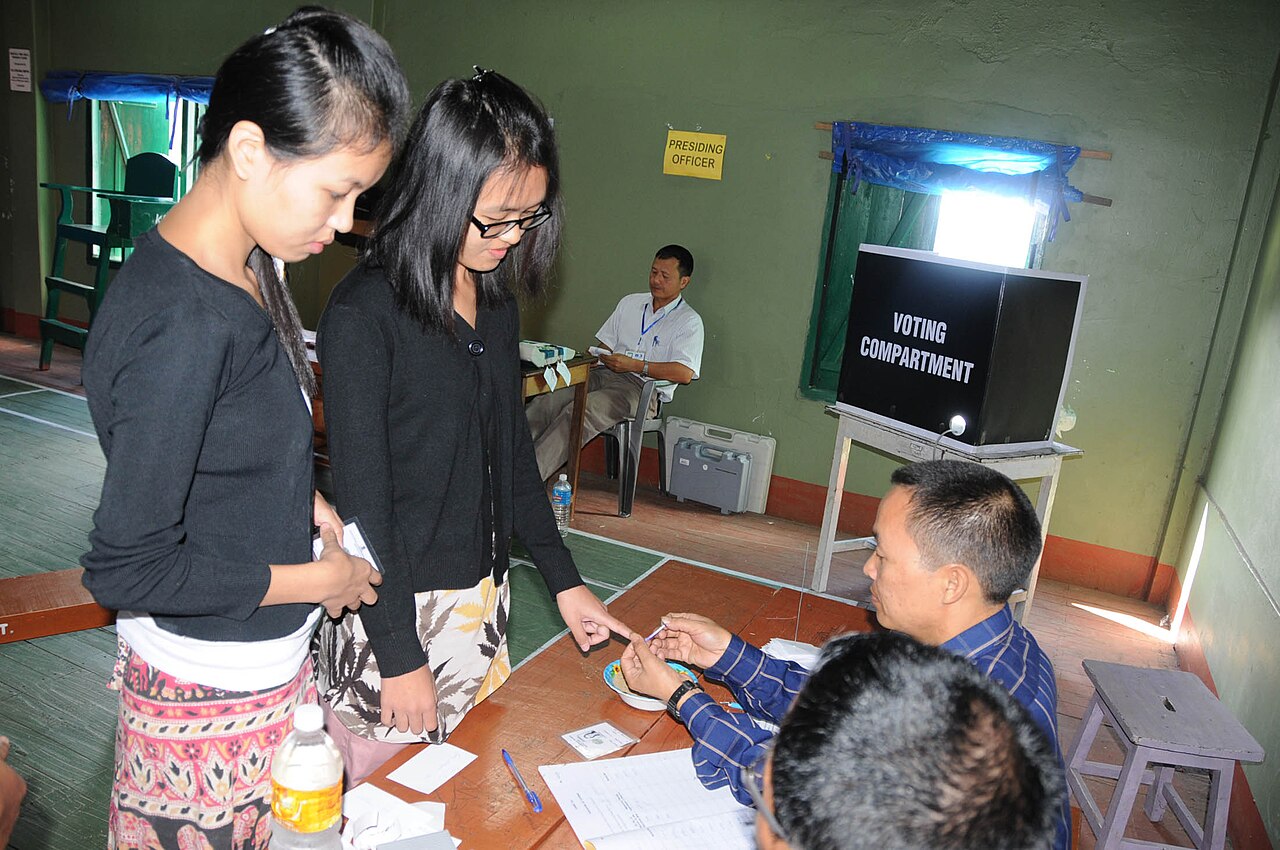
భారత జనాభాలో సగానికి పైగా ముప్పై ఐదేళ్ల లోపు వారే. ప్రపంచంలోనే అత్యంత యువ దేశాల్లో మనది ఒకటి. అయినా పార్లమెంటు, అసెంబ్లీల్లో యువ ప్రజాప్రతినిధుల సంఖ్య తక్కువే. ఈ అంతరమే ప్రతి కొన్నేళ్లకు ఒక కొత్త ఉద్యమాన్ని పుట్టిస్తోంది. 2026లో వైరల్ అయిన కాక్రోచ్ జనతా పార్టీ (సీజేపీ) దానికి తాజా ఉదాహరణ.
గతంలోని ఉదాహరణలు
ఇలాంటి ప్రయత్నాలు కొత్తవి కావు. తెలుగు రాష్ట్రాల్లో 2006లో మాజీ ఐఏఎస్ అధికారి జయప్రకాశ్ నారాయణ్ "లోక్సత్తా" పార్టీని స్థాపించారు. విద్యావంతులైన యువత, మధ్యతరగతి వర్గాల్లో ఆ పార్టీకి మంచి ఆదరణ వచ్చింది. 2009లో ఆయన కూకట్పల్లి నుంచి ఎమ్మెల్యేగా గెలిచారు. కానీ ఎన్నికల రాజకీయాల్లో పార్టీ విస్తరించలేకపోయింది.
జాతీయ స్థాయిలో 2011 అవినీతి వ్యతిరేక ఉద్యమం నుంచి 2012లో ఆమ్ ఆద్మీ పార్టీ (ఆప్) పుట్టింది. దిల్లీలో అధికారంలోకి వచ్చి, తర్వాత పంజాబ్లోనూ ప్రభుత్వం ఏర్పాటు చేసింది. ఉద్యమం నుంచి పార్టీగా, పార్టీ నుంచి ప్రభుత్వంగా మారిన అరుదైన ఉదాహరణ అది.
యువత ఎందుకు ఆకర్షితులవుతున్నారు?
1. ఉద్యోగ ఆందోళన: డిగ్రీలు ఉన్నా సరైన ఉద్యోగం దొరకకపోవడం, పోటీ పరీక్షల్లో పేపర్ లీకులు, నోటిఫికేషన్ల జాప్యం యువతలో తీవ్ర అసహనాన్ని పెంచుతున్నాయి.
2. భాష వ్యత్యాసం: సంప్రదాయ పార్టీల ప్రసంగాలు, పోస్టర్లు యువతకు దూరంగా అనిపిస్తాయి. మీమ్లు, వ్యంగ్యం, షార్ట్ వీడియోలు వారి భాష. సీజేపీ సరిగ్గా ఆ భాషలోనే మాట్లాడింది.
3. కుటుంబ రాజకీయాలపై విసుగు: చాలా పార్టీల్లో పదవులు కొన్ని కుటుంబాలకే పరిమితమవుతున్నాయన్న భావన యువతలో ఉంది.
4. తక్షణ భాగస్వామ్యం: ఒక పోస్ట్ షేర్ చేయడం, ఒక హ్యాష్ట్యాగ్ వాడటం ద్వారా ఉద్యమంలో భాగమైన అనుభూతి వెంటనే వస్తుంది.
5. అవమానానికి ప్రతిస్పందన: సీజేపీ విషయంలో, యువతను కించపరిచేలా ఉందని భావించిన ఒక వ్యాఖ్యే ఆ ఉద్యమానికి పుట్టుక. అవమానాన్ని గుర్తింపుగా మార్చుకోవడం ఎంతో శక్తివంతమైన భావోద్వేగం.
ఎందుకు ఎక్కువకాలం నిలవవు?
చరిత్ర చూస్తే చాలా కొత్త ఉద్యమాలు కొద్దికాలానికే బలహీనపడ్డాయి. కారణాలు:
• సంస్థాగత నిర్మాణం లేకపోవడం: ఆన్లైన్ ఫాలోయర్లు బూత్ స్థాయి కార్యకర్తలుగా మారడం చాలా కష్టం. ఎన్నికలు గెలవాలంటే ప్రతి గ్రామంలో మనుషులు కావాలి.
• స్పష్టమైన విధానాల కొరత: "దేనికి వ్యతిరేకం" అని చెప్పడం సులభం; "ఏం చేస్తాం" అని వివరంగా చెప్పడం కష్టం.
• నాయకత్వ విభేదాలు: వేగంగా పెరిగిన ఉద్యమాల్లో చీలికలు త్వరగా వస్తాయి.
• ఆర్థిక వనరులు: ఎన్నికల ఖర్చును తట్టుకోవడం కొత్త పార్టీలకు పెద్ద సవాలు.
ప్రధాన పార్టీలు నేర్చుకోవాల్సింది
కొత్త ఉద్యమం గెలిచినా, ఓడినా, అది ఒక సందేశం ఇస్తుంది — యువత మాట వినాలి. ఉద్యోగాలు, పరీక్షల పారదర్శకత, నైపుణ్య శిక్షణ, మానసిక ఆరోగ్యం వంటి అంశాలపై ప్రధాన పార్టీలు స్పష్టమైన ప్రణాళికలు ఇవ్వకపోతే, ఆ ఖాళీని ఎవరో ఒకరు భర్తీ చేస్తూనే ఉంటారు.
యువతకు ఒక సూచన
సోషల్ మీడియా ఆగ్రహం ఒక ప్రారంభం మాత్రమే. ఓటరుగా నమోదు చేసుకోవడం, ప్రతి ఎన్నికలో ఓటు వేయడం, స్థానిక సమస్యలపై గ్రామసభలు, వార్డు సభలకు వెళ్లడం, సమాచార హక్కు చట్టాన్ని వాడుకోవడం — ఇవే ప్రజాస్వామ్యంలో అసలైన మార్పుకు దారులు.
ముగింపు
సీజేపీ భవిష్యత్తు ఏమైనా, అది ఒక తరం మనసులో ఏముందో బయటపెట్టింది. ఆ గొంతును విస్మరించడం ఏ రాజకీయ వ్యవస్థకూ మంచిది కాదు.
ఫోటో: Election Commission of India / Wikimedia Commons (GODL-India)
Why young Indians are drawn to new political movements like CJP
More than half of India's population is under the age of thirty-five. We are one of the youngest countries in the world. Yet, the number of young people represented in Parliament and assemblies is low. This gap gives rise to a new movement every few years. The latest example is the Cockroach Janata Party (CJP), which went viral in 2026.
Examples from the past
Such attempts are not new. In the Telugu states, in 2006, former IAS officer Jayaprakash Narayan founded the "Lok Satta" party. The party gained popularity among the educated youth and middle class. In 2009, he won as an MLA from Kukatpally. But the party could not expand in electoral politics.
The Aam Aadmi Party (AAP) emerged from the 2011 national anti-corruption movement in 2012. It came to power in Delhi and later formed a government in Punjab. It is a rare example of a movement turning into a party and then a party turning into a government.
Why are young people attracted?
1. Job anxiety: Inability to find the right job despite degrees, paper leaks in competitive exams, and delays in notifications are increasing extreme impatience among the youth.
2. Language difference: The speeches and posters of traditional parties seem distant to the youth. Memes, satire, short videos are their language. CJP spoke exactly in that language.
3. Boredom over family politics: There is a feeling among the youth that positions in many parties are limited to a few families.
4. Instant sharing: Sharing a post, using a hashtag, instantly gives you the feeling of being part of a movement.
5. Response to Insult: In the case of CJP, the movement was born from a comment that was considered derogatory to the youth. Turning insult into recognition is a very powerful emotion.
Why don't you stay longer?
Historically, many new movements have weakened after a short period of time. Reasons:
• Lack of organizational structure: It is very difficult to convert online followers into booth level activists. To win elections, you need people in every village.
• Lack of clear policies: It is easy to say "what we are against"; it is difficult to detail "what we will do."
• Leadership differences: Splits can occur quickly in movements that have grown rapidly.
• Financial resources: Coping with the cost of elections is a major challenge for new parties.
What the major parties need to learn
Whether the new movement wins or loses, it sends a message — the youth must be listened to. If the main parties do not provide clear plans on issues like jobs, exam transparency, skills training, and mental health, someone else will keep filling the void.
A hint to the youth
Social media outrage is just the beginning. Registering as a voter, voting in every election, attending gram sabhas and ward sabhas on local issues, using the Right to Information Act — these are the paths to real change in a democracy.
Conclusion
Whatever the future of the CJP, it has revealed what is in the minds of a generation. Ignoring that voice is not good for any political system.
Photo: Election Commission of India / Wikimedia Commons (GODL-India)