
భారత్
సీజేపీ vs సంప్రదాయ పార్టీలు: అసలు తేడా ఏమిటి?
మేనిఫెస్టోల బదులు మీమ్లు, కార్యకర్తల బదులు ఫాలోయర్లు — కాక్రోచ్ జనతా పార్టీ ఎలా భిన్నంగా పనిచేస్తోంది, ఎక్కడ అవే పరిమితులు ఎదుర్కొంటోంది.
2026 మేలో పుట్టిన కాక్రోచ్ జనతా పార్టీ (సీజేపీ) తనను తాను "పార్టీ" అని పిలుచుకున్నా, అది భారత ఎన్నికల సంఘం వద్ద రిజిస్టర్ అయిన రాజకీయ పార్టీ కాదు. వ్యంగ్యం, సోషల్ మీడియా ఆధారంగా నడుస్తున్న యువ ఉద్యమం అది. అయితే దాని పనితీరును దేశంలోని సంప్రదాయ పార్టీలతో పోల్చి చూస్తే, భారత రాజకీయాల్లో వస్తున్న మార్పులు స్పష్టంగా అర్థమవుతాయి.
1. పుట్టుక
సంప్రదాయ పార్టీలు: ఒక సిద్ధాంతం, ఒక ఉద్యమం, లేదా ఒక బలమైన నాయకుడి చుట్టూ ఏర్పడతాయి. ఉదాహరణకు, టీడీపీ "తెలుగువారి ఆత్మగౌరవం" నినాదంతో, టీఆర్ఎస్ ప్రత్యేక రాష్ట్ర లక్ష్యంతో పుట్టాయి. సీజేపీ: ఒక వివాదాస్పద వ్యాఖ్యకు ప్రతిస్పందనగా, ఒక్క రోజులో పుట్టింది. అవమానాన్ని గుర్తింపుగా మార్చుకోవడమే దాని పునాది.
2. ప్రచార భాష
సంప్రదాయ పార్టీలు: బహిరంగ సభలు, పాదయాత్రలు, పోస్టర్లు, టీవీ ప్రకటనలు, పత్రికా సమావేశాలు. సీజేపీ: మీమ్లు, రీల్స్, వ్యంగ్య పోస్టులు, ఆన్లైన్ ట్రెండ్లు. కార్యక్రమాల్లో కూడా బొద్దింక వేషధారణ వంటి సృజనాత్మక పద్ధతులు. ప్రధాన పార్టీల ఇన్స్టాగ్రామ్ ఖాతాల కంటే ఎక్కువ ఫాలోయర్లు సంపాదించిందని వార్తలు వచ్చాయి.
3. సంస్థాగత నిర్మాణం
సంప్రదాయ పార్టీలు: జాతీయ కార్యవర్గం నుంచి బూత్ కమిటీ వరకు అంచెలంచెల నిర్మాణం. లక్షలాది కార్యకర్తలు, అనుబంధ సంఘాలు (యువజన, మహిళ, రైతు, విద్యార్థి విభాగాలు). సీజేపీ: వికేంద్రీకృత, ఆన్లైన్ ఆధారిత. ఇటీవల జాతీయ కన్వీనర్, కార్యవర్గం వంటి నిర్మాణం ఏర్పాటు చేసుకుందని వార్తలు వచ్చాయి, కానీ గ్రామస్థాయి నిర్మాణం ఇంకా లేదు.
4. ఎజెండా
సంప్రదాయ పార్టీలు: వ్యవసాయం నుంచి విదేశాంగ విధానం వరకు అన్ని అంశాలపై విస్తృత మేనిఫెస్టో. సీజేపీ: కొన్ని నిర్దిష్ట డిమాండ్లపై దృష్టి — పరీక్షల పారదర్శకత, పేపర్ లీకులపై చర్యలు, ఎన్నికల వ్యవస్థ సంస్కరణలు, మహిళలకు ఎక్కువ ప్రాతినిధ్యం, పార్టీ ఫిరాయింపులపై కఠిన నిబంధనలు వంటి అంశాలు. పరిమిత ఎజెండా స్పష్టతను ఇస్తుంది, కానీ పాలనకు అవసరమైన విస్తృతత లేదని విమర్శకులు అంటారు.
5. నిధులు
సంప్రదాయ పార్టీలు: విరాళాలు, సభ్యత్వ రుసుములు, కార్పొరేట్ నిధులు — ఎన్నికల కోసం భారీ వ్యయం. సీజేపీ: తక్కువ ఖర్చుతో నడిచే డిజిటల్ ప్రచారం. ఎన్నికల్లో పోటీ చేయాలంటే మాత్రం ఈ నమూనా సరిపోదు.
6. ఎన్నికల లక్ష్యం
సంప్రదాయ పార్టీలు: అధికారమే అంతిమ లక్ష్యం. సీజేపీ: ఇప్పటికి ఒత్తిడి సమూహంగా పనిచేస్తోంది. భవిష్యత్తులో ఎన్నికల్లో పోటీ చేసే అవకాశాన్ని కొట్టిపారేయలేమని దాని నాయకులు చెప్పినట్లు వార్తలు వచ్చాయి.
ఉమ్మడి సవాళ్లు
ఆసక్తికరమైన విషయం ఏమిటంటే, సీజేపీ కూడా సంప్రదాయ పార్టీలు ఎదుర్కొనే సమస్యలనే ఎదుర్కొంటోంది — అంతర్గత విభేదాలు, చీలిక వర్గాలు, ఇతర పార్టీలతో సంబంధాలపై ఆరోపణలు, ప్రభుత్వంతో ఘర్షణలు. సోషల్ మీడియా వేగంగా పెంచుతుంది, అంతే వేగంగా మరచిపోతుంది కూడా.
ఆప్ ఉదాహరణ
ఒక ఉద్యమం నుంచి పార్టీగా మారిన ఇటీవలి విజయ ఉదాహరణ ఆమ్ ఆద్మీ పార్టీ. అవినీతి వ్యతిరేక ఉద్యమం నుంచి పుట్టి రెండు రాష్ట్రాల్లో అధికారం చేపట్టింది. సీజేపీకి, ఆప్కు పోలికలు ఉన్నాయని విశ్లేషకులు అంటున్నారు. అయితే ఆప్ పుట్టినప్పుడు సోషల్ మీడియా ఇంత బలంగా లేదు; క్షేత్రస్థాయి ఉద్యమం ఉంది. సీజేపీ విషయంలో అది తలకిందులు.
ముగింపు
సీజేపీ ఒక కొత్త రాజకీయ ప్రయోగం. అది విజయవంతమవుతుందా లేదా అన్నదానికంటే, అది సంప్రదాయ పార్టీలను యువత భాషలో మాట్లాడేలా, యువత సమస్యలపై దృష్టి పెట్టేలా ఒత్తిడి చేస్తోందా అన్నదే ముఖ్యమైన ప్రశ్న. ప్రజాస్వామ్యానికి కొత్త గొంతులు ఎప్పుడూ మేలే.
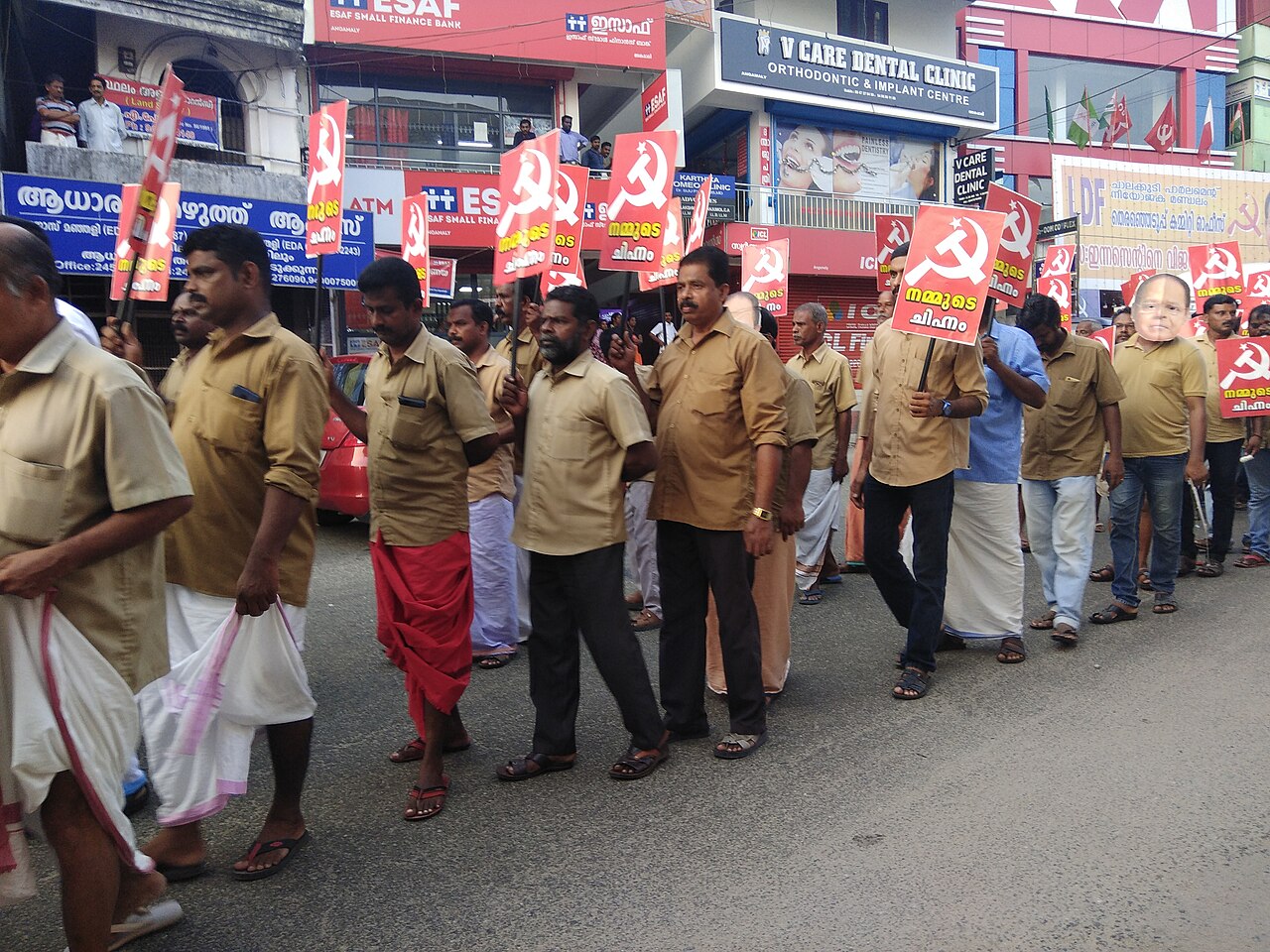
ఫోటో: ranjithsiji / Wikimedia Commons (CC BY-SA 3.0)
CJP vs traditional parties: What is really different?
Born in May 2026, the Cockroach Janata Party (CJP) calls itself a "party", but it is not a political party registered with the Election Commission of India. It is a youth movement based on irony and social media. However, if you compare its performance with the traditional parties of the country, it is clear that changes are taking place in Indian politics.
1. Birth
Traditional parties: Formed around an ideology, a movement, or a strong leader. For example, TDP was born with the slogan "Telugu people's self-respect", TRS with the goal of a separate state. CJP: Born in a single day, in response to a controversial comment. Its foundation is to transform shame into recognition.
2. Propaganda language
Traditional parties: Public meetings, marches, posters, TV ads, press conferences. CJP: Memes, reels, satirical posts, online trends. Creative methods like dressing up as cockroaches even at events. It is reported to have gained more followers than the Instagram accounts of the major parties.
3. Organizational structure
Traditional parties: Step-by-step structure from national executive to booth committee. Lakhs of activists, affiliated organizations (youth, women, farmers, students' sections). CJP: Decentralized, online-based. Recently, there were reports that a structure like a national convener and executive committee has been formed, but there is no village-level structure yet.
4. Agenda
Traditional parties: Broad manifesto on everything from agriculture to foreign policy. CJP: Focus on a few specific demands — transparency in exams, crackdown on paper leaks, electoral reforms, greater representation of women, stricter rules on party defection. The limited agenda provides clarity, but critics say it lacks the breadth needed for governance.
5. Funding
Traditional parties: Donations, membership fees, corporate funding — huge expenditure for elections. CJP: Low-cost digital campaign. However, this model is not enough to contest elections.
6. Election objective
Traditional parties: Power is the ultimate goal. CJP: Still functioning as a pressure group. Its leaders have reportedly said that they cannot rule out the possibility of contesting elections in the future.
Common challenges
Interestingly, the CJP is also facing the same problems that traditional parties face — internal divisions, factionalism, allegations of ties with other parties, clashes with the government. Social media grows fast, but it also forgets just as fast.
App example
A recent successful example of a movement becoming a party is the Aam Aadmi Party. It emerged from an anti-corruption movement and came to power in two states. Analysts say there are similarities between the CJP and the AAP. However, when the AAP was born, social media was not as strong; there was a grassroots movement. In the case of the CJP, that is the opposite.
Conclusion
The CJP is a new political experiment. The important question is not whether it will succeed, but whether it will force traditional parties to speak the language of the youth and focus on the issues of the youth. New voices are always good for democracy.
Photo: ranjithsiji / Wikimedia Commons (CC BY-SA 3.0)