
తెలంగాణ
తెలంగాణ నీటి కథ: భూగర్భ జలాలు, బోర్లు, రైతు కష్టం
తెలంగాణలో రెండు పెద్ద నదులు ఉన్నా, చాలా గ్రామాలు ఇప్పటికీ ప్రతి వేసవిలో ఎండిపోయే బోర్లపైనే ఆధారపడుతున్నాయి. ఎందుకు? ఏది పనిచేస్తోంది?
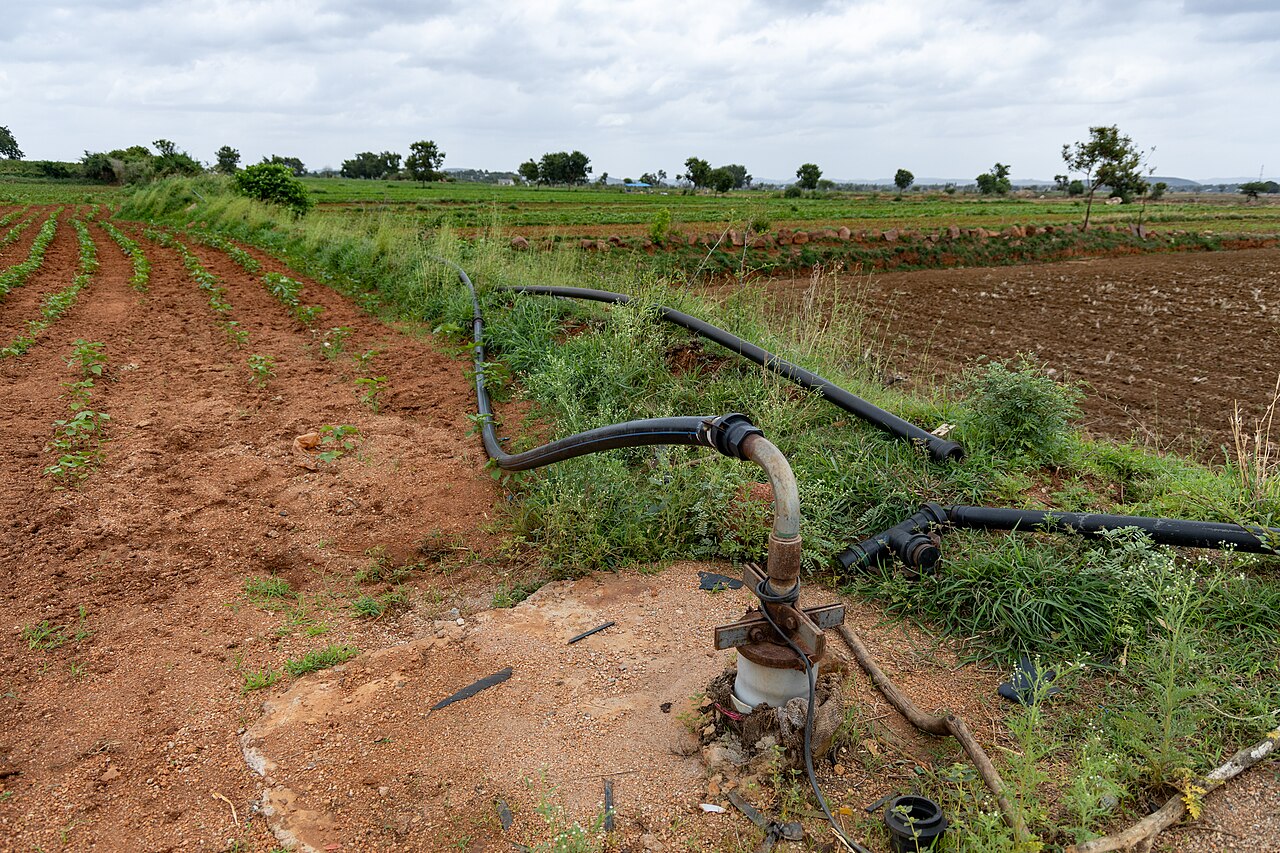
"నీళ్లు, నిధులు, నియామకాలు" — తెలంగాణ ఉద్యమ నినాదంలో మొదటి పదం నీళ్లే. గోదావరి, కృష్ణా వంటి పెద్ద నదులు ఈ రాష్ట్రం గుండా ప్రవహిస్తున్నా, ఎత్తైన దక్కన్ పీఠభూమిపై ఉండటం వల్ల ఆ నీటిని పొలాలకు చేర్చడం ఎప్పుడూ సవాలే. అందుకే తెలంగాణ రైతు దశాబ్దాలుగా బోరుబావులపై ఆధారపడ్డాడు.
బోరుబావుల రాష్ట్రం
తెలంగాణలో సాగునీటిలో పెద్ద భాగం భూగర్భ జలాల నుంచే వస్తుంది. లక్షలాది బోర్లు రాష్ట్రమంతా ఉన్నాయి. 1990ల్లో విద్యుత్ సదుపాయం పెరిగాక బోర్ల సంఖ్య విపరీతంగా పెరిగింది. ఒకప్పుడు 100–200 అడుగుల లోతులో దొరికిన నీరు, కొన్ని ప్రాంతాల్లో ఇప్పుడు 600–1000 అడుగుల లోతుకు వెళ్లినా దొరకని పరిస్థితి. ఒక్కో బోరుకు లక్షల రూపాయలు ఖర్చు చేసి, నీరు పడక అప్పుల పాలైన రైతుల కథలు ప్రతి జిల్లాలోనూ ఉన్నాయి.
రాతి నేల — ప్రత్యేక సమస్య
తెలంగాణలో ఎక్కువ భాగం గ్రానైట్ వంటి గట్టి రాతి పొరలపై ఉంది. ఈ రాళ్లలోని పగుళ్లలోనే నీరు నిలుస్తుంది. అందుకే భూగర్భ జలాలు పరిమితంగా ఉంటాయి, వర్షం తగ్గితే వేగంగా పడిపోతాయి. ఒకే ప్రాంతంలో ఎక్కువ బోర్లు వేస్తే ఒకదాని నీరు మరొకటి లాగేసుకుంటుంది.
చెరువుల సంస్కృతి
కాకతీయుల కాలం నుంచి తెలంగాణకు గొలుసుకట్టు చెరువుల సంప్రదాయం ఉంది. ఎగువ చెరువు నిండితే కింది చెరువుకు నీరు పారే ఈ వ్యవస్థ భూగర్భ జలాలను కూడా రీచార్జ్ చేసేది. కాలక్రమంలో పూడిక పేరుకుపోవడం, కాలువలు ఆక్రమణకు గురికావడంతో చాలా చెరువులు నిరుపయోగమయ్యాయి. 2015లో ప్రారంభమైన "మిషన్ కాకతీయ" వేలాది చెరువుల్లో పూడిక తీసి, వాటి నిల్వ సామర్థ్యాన్ని పెంచేందుకు ప్రయత్నించింది.
తాగునీరు — మిషన్ భగీరథ
నల్గొండ జిల్లాలో దశాబ్దాలుగా ఫ్లోరైడ్ సమస్య వేలాది మంది జీవితాలను దెబ్బతీసింది. ఎముకలు వంకర్లు పోయి, పళ్లు పాడైపోయిన బాధితుల చిత్రాలు దేశాన్ని కదిలించాయి. శుద్ధి చేసిన నదీజలాలను ఇంటింటికీ నల్లాల ద్వారా అందించేందుకు 2016లో "మిషన్ భగీరథ" ప్రారంభమైంది. ఫ్లోరైడ్ ప్రభావిత ప్రాంతాలకు సురక్షిత నీరు అందడం ఒక ముఖ్య మార్పు. అయితే పైపులైన్ల నిర్వహణ, చివరి ఇంటికి సమయానికి నీరు చేరడం వంటి అంశాలపై ఇంకా ఫిర్యాదులు వస్తున్నాయి.
భారీ ప్రాజెక్టులు
కాళేశ్వరం, పాలమూరు–రంగారెడ్డి వంటి ఎత్తిపోతల పథకాలు నదీజలాలను పైకి ఎత్తి పొలాలకు చేర్చే లక్ష్యంతో చేపట్టారు. వీటి వల్ల కొన్ని ప్రాంతాల్లో సాగు విస్తీర్ణం పెరిగిందని ప్రభుత్వాలు చెబితే, భారీ ఖర్చు, విద్యుత్ వినియోగం, నిర్మాణ లోపాలపై విమర్శలు కూడా వచ్చాయి. ఈ ప్రాజెక్టులపై వివరంగా మరో వ్యాసంలో చర్చిస్తాం.
ఏది పనిచేస్తోంది?
• బిందు, తుంపర సేద్యం: సంప్రదాయ పద్ధతితో పోలిస్తే చాలా తక్కువ నీటితో పంట పండించవచ్చు. ప్రభుత్వ సబ్సిడీలు అందుబాటులో ఉన్నాయి.
• పంట మార్పిడి: నీరు ఎక్కువ అవసరమైన వరికి బదులు కొన్ని సీజన్లలో పప్పుధాన్యాలు, నూనెగింజలు, చిరుధాన్యాలు వేయడం.
• ఇంకుడు గుంతలు, చెక్ డ్యాములు: వర్షపు నీటిని భూమిలోకి ఇంకించడం.
• గ్రామస్థాయి నీటి బడ్జెట్: ఎంత నీరు ఉంది, ఎంత వాడుతున్నాం అని గ్రామసభలో లెక్క వేసుకోవడం. దేశంలో కొన్ని గ్రామాలు ఈ పద్ధతితో అద్భుత ఫలితాలు సాధించాయి.
ముగింపు
నీరు అనంతం కాదు. ప్రభుత్వ ప్రాజెక్టులు ఎంత పెద్దవైనా, ప్రతి రైతు, ప్రతి కుటుంబం నీటిని పొదుపుగా వాడినప్పుడే తెలంగాణ నీటి భద్రత సాధ్యం. ఉద్యమ నినాదంలో మొదటి మాట నీళ్లు — ఆ నీటిని కాపాడుకోవడం ఇప్పుడు మనందరి బాధ్యత.
ఫోటో: User: Vraj Acharya, WELL Labs / Wikimedia Commons (CC BY-SA 4.0)
Telangana's water story: Groundwater, borewells and the farmer
"Water, Funds, Appointments" — The first word in the Telangana movement slogan is water. Although big rivers like Godavari and Krishna flow through this state, getting that water to the fields has always been a challenge due to its location on the high Deccan Plateau. That is why Telangana farmers have relied on borewells for decades.
The state of borewells
A large part of the irrigation water in Telangana comes from groundwater. There are lakhs of boreholes across the state. The number of boreholes increased exponentially after the increase in electricity supply in the 1990s. Water, which was once available at a depth of 100–200 feet, is now unavailable in some areas even after going to a depth of 600–1000 feet. There are stories in every district of farmers who spent lakhs of rupees on each borehole and got into debt because they did not get water.
Rocky soil — a special problem
Most of Telangana is located on hard rock layers like granite. Water accumulates in the cracks in these rocks. That is why groundwater is limited and drops rapidly when the rains stop. If more boreholes are dug in the same area, the water from one borehole will drain away from the other.
Pond culture
Telangana has had a tradition of chained tanks since the Kakatiya period. This system, where water would flow to the lower tank when the upper tank was full, also recharged the groundwater. Over time, siltation and encroachment of canals led to the desilting of thousands of tanks, leading to the collapse of many of them. "Mission Kakatiya", which was launched in 2015, has attempted to desilt thousands of tanks and increase their storage capacity.
Drinking Water — Mission Bhagiratha
For decades, the fluoride problem in Nalgonda district has affected the lives of thousands of people. Images of victims with crooked bones and decayed teeth have shaken the nation. "Mission Bhagiratha" was launched in 2016 to provide purified river water through pipes to every household. Providing safe water to fluoride-affected areas is a major change. However, complaints are still being received on issues such as maintenance of pipelines and timely delivery of water to the last household.
Huge projects
Lift irrigation schemes like Kaleshwaram and Palamuru-Ranga Reddy were undertaken with the aim of lifting river water uphill and bringing it to the fields. While governments claim that these have increased the area under cultivation in some areas, they have also drawn criticism for their high cost, power consumption, and construction flaws. We will discuss these projects in detail in another article.
What is working?
• Drip and sprinkler irrigation: Crops can be grown with much less water compared to the traditional method. Government subsidies are available.
• Crop rotation: Planting pulses, oilseeds, and small grains in some seasons instead of rice, which requires more water.
• Infiltration pits and check dams: Infiltration of rainwater into the ground.
• Village-level water budgeting: Calculating in the gram sabha how much water is available and how much is being used. Some villages in the country have achieved remarkable results with this method.
Conclusion
Water is not infinite. No matter how big the government projects are, Telangana's water security is possible only when every farmer and every family uses water economically. The first word in the movement's slogan is water — it is now the responsibility of all of us to protect that water.
Photo: User: Vraj Acharya, WELL Labs / Wikimedia Commons (CC BY-SA 4.0)