
తెలంగాణ
తెలుగు రాష్ట్రాల్లో మారుతున్న రుతుపవనాలు: రైతులకు అర్థం ఏమిటి?
తక్కువ వర్షపు రోజులు, ఎక్కువ కుండపోతలు, సుదీర్ఘ పొడి విరామాలు, తీవ్రమైన తుపానులు — రుతుపవనాలు ఎలా మారుతున్నాయి, రైతులు ఎలా సిద్ధం కావాలి.
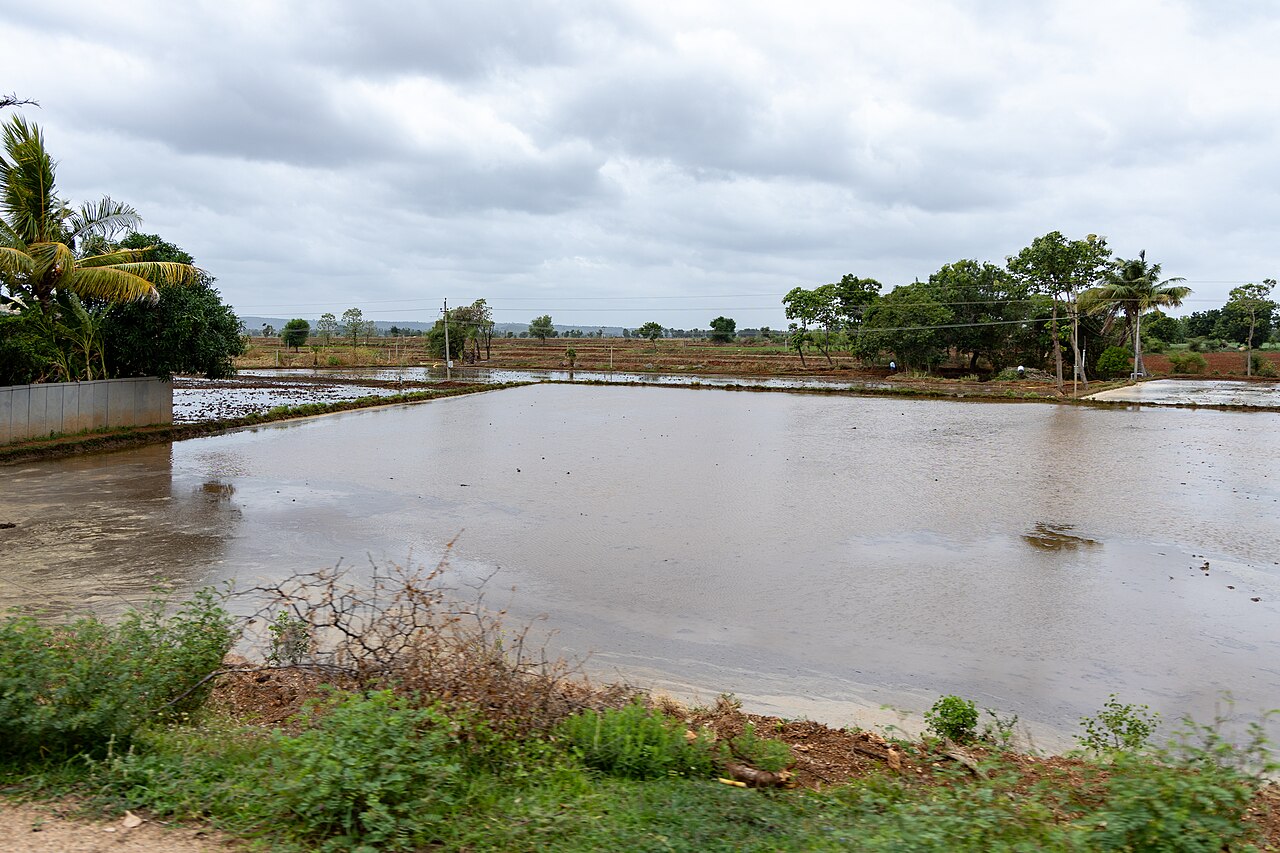
"వర్షం పడితేనే పంట" — తెలుగు రైతుకు రుతుపవనమే జీవనాడి. జూన్లో తొలకరి పడగానే దుక్కి దున్ని, విత్తనాలు వేసే సంప్రదాయం తరతరాలుగా వస్తోంది. కానీ గత కొన్నేళ్లుగా రైతులు ఒకే మాట చెబుతున్నారు — "వానలు మునుపటిలా లేవు." వాతావరణ శాస్త్రవేత్తల పరిశీలనలు కూడా ఈ మార్పును ధ్రువీకరిస్తున్నాయి.
మన రెండు రుతుపవనాలు
• నైరుతి రుతుపవనాలు (జూన్–సెప్టెంబర్): తెలంగాణకు, ఆంధ్రప్రదేశ్లో ఎక్కువ ప్రాంతాలకు ప్రధాన వర్షాకాలం. ఖరీఫ్ పంటలు దీనిపైనే ఆధారం.
• ఈశాన్య రుతుపవనాలు (అక్టోబర్–డిసెంబర్): దక్షిణ కోస్తాంధ్ర, రాయలసీమలోని కొన్ని ప్రాంతాలకు ముఖ్యం. బంగాళాఖాతంలో తుపానులు ఎక్కువగా ఈ కాలంలో వస్తాయి.
ఏం మారుతోంది?
1. మొత్తం వర్షం కాదు, దాని తీరు: ఏడాది మొత్తం వర్షపాతం సగటుకు దగ్గరగా ఉన్నా, అది పడే తీరు మారింది. కొన్ని రోజుల్లోనే భారీ వర్షం కురిసి, మిగతా రోజులు పొడిగా ఉంటున్నాయి.
2. కుండపోత వర్షాలు పెరగడం: ఒకే రోజు 10–20 సెంటీమీటర్ల వర్షం వంటి సంఘటనలు ఎక్కువయ్యాయి. హైదరాబాద్ 2020 వరదలు, ఇటీవలి సంవత్సరాల్లో ఖమ్మం, విజయవాడ వంటి ప్రాంతాల్లో వచ్చిన వరదలు దీనికి ఉదాహరణలు.
3. సుదీర్ఘ పొడి విరామాలు: విత్తనాలు వేసిన తర్వాత రెండు–మూడు వారాలు వర్షం రాకపోవడంతో మొలకలు ఎండిపోతున్నాయి. మళ్లీ విత్తనాలు వేయాల్సి వస్తోంది.
4. ఆలస్యమైన రాక, ఆలస్యమైన తిరోగమనం: రుతుపవనాల ఆరంభం, ముగింపు తేదీలు అస్థిరంగా మారాయి. అక్టోబర్లో కురిసే అకాల వర్షాలు కోతకు వచ్చిన పంటలను దెబ్బతీస్తున్నాయి.
5. తీవ్రమైన తుపానులు: బంగాళాఖాతం వేడెక్కడంతో తుపానులు వేగంగా తీవ్రరూపం దాల్చుతున్నాయని శాస్త్రవేత్తలు చెబుతున్నారు. 2014లో విశాఖపట్నాన్ని అతలాకుతలం చేసిన హుద్హుద్ తుపాను ఇప్పటికీ గుర్తే.
ఎందుకు?
భూమి వేడెక్కుతున్నకొద్దీ గాలిలో ఎక్కువ తేమ నిలుస్తుంది — దీంతో వర్షం పడినప్పుడు ఎక్కువగా పడుతుంది. సముద్రాల ఉష్ణోగ్రతలు, ఎల్నినో–లానినా వంటి పసిఫిక్ మహాసముద్ర పరిస్థితులు కూడా మన రుతుపవనాలను ప్రభావితం చేస్తాయి. స్థానికంగా అడవుల నరికివేత, నగరీకరణ కూడా ప్రభావం చూపుతాయి.
రైతులు ఎలా సిద్ధం కావాలి?
• వాతావరణ సమాచారం వాడండి: భారత వాతావరణ శాఖ (ఐఎండీ) హెచ్చరికలు, "మేఘదూత్", "మౌసమ్" వంటి ప్రభుత్వ యాప్లు, వ్యవసాయ విశ్వవిద్యాలయాల సలహాలు ఉచితంగా అందుబాటులో ఉన్నాయి.
• విత్తే సమయం: తొలకరి చినుకులకే విత్తకుండా, నేలలో తగినంత తేమ (సుమారు 50–60 మి.మీ. వర్షం) చేరాక విత్తడం మంచిదని వ్యవసాయ శాస్త్రవేత్తలు సూచిస్తారు.
• కరువును తట్టుకునే రకాలు: తక్కువ కాలంలో పండే, కరువును తట్టుకునే విత్తన రకాలు ఎంచుకోండి.
• అంతర పంటలు, మిశ్రమ పంటలు: ఒకే పంటపై ఆధారపడకుండా రెండు–మూడు పంటలు వేస్తే నష్టం తగ్గుతుంది.
• నీటి నిల్వ: పొలంలో కుంటలు (ఫార్మ్ పాండ్స్), ఇంకుడు గుంతలు, మల్చింగ్.
• పంట బీమా: ప్రధానమంత్రి ఫసల్ బీమా యోజన వంటి బీమా పథకాల్లో సకాలంలో నమోదు చేసుకోండి. ఈ-పంట/పంట నమోదు సరిగా చేయించుకోండి.
• ప్రత్యామ్నాయ ప్రణాళిక: వర్షం ఆలస్యమైతే ఏ పంట వేయాలో వ్యవసాయ శాఖ "కంటింజెన్సీ ప్లాన్లు" విడుదల చేస్తుంది — మండల వ్యవసాయ అధికారిని సంప్రదించండి.
ప్రభుత్వాలు ఏం చేయాలి?
గ్రామస్థాయి వాతావరణ కేంద్రాలు, సకాలంలో బీమా పరిహారం, నీటి నిల్వ నిర్మాణాలు, వరద ముంపు ప్రాంతాల్లో ముందస్తు హెచ్చరిక వ్యవస్థలు, వాతావరణ మార్పులకు తగిన పరిశోధన — ఇవి అత్యవసరం.
ముగింపు
రుతుపవనాలను మనం నియంత్రించలేం, కానీ వాటికి అనుగుణంగా మారగలం. సైన్స్ను, సంప్రదాయ అనుభవాన్ని కలిపి వ్యవసాయం చేస్తేనే మారుతున్న వాతావరణంలో తెలుగు రైతు నిలదొక్కుకోగలడు.
ఫోటో: Vraj Acharya, WELL Labs / Wikimedia Commons (CC BY-SA 4.0)
The changing monsoon in the Telugu states: What it means for farmers
"Only when there is rain, there is harvest" — The monsoon is the lifeblood of a Telugu farmer. The tradition of ploughing and sowing seeds as soon as the rains fall in June has been going on for generations. But for the past few years, farmers have been saying the same thing — "The rains are not like before." Observations by meteorologists also confirm this change.
Our two monsoons
• Southwest Monsoon (June–September): The main rainy season for Telangana and most parts of Andhra Pradesh. Kharif crops depend on this.
• Northeast Monsoon (October–December): Important for some parts of South Coastal Andhra and Rayalaseema. Cyclones in the Bay of Bengal are more common during this period.
What is changing?
1. Not the amount of rain, but its pattern: While the overall rainfall for the year is close to average, the pattern of rainfall has changed. Heavy rain falls on a few days, while the rest of the days remain dry.
2. Increase in torrential rains: There has been an increase in incidents of 10–20 cm of rain in a single day. Examples of this include the 2020 Hyderabad floods and floods in recent years in places like Khammam and Vijayawada.
3. Long dry spells: The seedlings are drying up due to lack of rain for two to three weeks after sowing. The seeds have to be sown again.
4. Late arrival, late withdrawal: The onset and end dates of the monsoon have become erratic. Untimely rains in October are damaging the crops that have been harvested.
5. Severe cyclones: Scientists say that cyclones are becoming more intense as the Bay of Bengal warms. Cyclone Hudhud, which devastated Visakhapatnam in 2014, is still remembered.
Why?
As the Earth warms, more moisture is held in the air — meaning more rain falls when it does. Ocean temperatures and Pacific Ocean conditions like El Niño-La Niña also affect our monsoons. Local deforestation and urbanization also have an impact.
How should farmers prepare?
• Use weather information: India Meteorological Department (IMD) alerts, government apps like "Meghdoot", "Mausam", and advisories from agricultural universities are available for free.
• Sowing time: Agricultural scientists suggest that it is better to sow after sufficient moisture has reached the soil (about 50–60 mm of rain) rather than sowing just before the first rain.
• Drought-tolerant varieties: Choose seed varieties that ripen in a short period and are drought-tolerant.
• Intercropping and mixed crops: Planting two to three crops instead of relying on a single crop can reduce losses.
• Water storage: farm ponds, irrigation ditches, mulching.
• Crop Insurance: Enroll in insurance schemes like Pradhan Mantri Fasal Bima Yojana on time. Get e-crop/crop registration done properly.
• Alternative plan: The Department of Agriculture releases "contingency plans" for what crops to plant if rain is delayed — contact the Mandal Agriculture Officer.
What should governments do?
Village-level weather stations, timely insurance compensation, water storage structures, early warning systems in flood-prone areas, and adequate research on climate change — these are essential.
Conclusion
We cannot control the monsoons, but we can adapt to them. Only by combining science and traditional experience in farming can the Telugu farmer survive in a changing environment.
Photo: Vraj Acharya, WELL Labs / Wikimedia Commons (CC BY-SA 4.0)