
రాజకీయాలు
ఫిబ్రవరి 2014: తెలంగాణ బిల్లు పార్లమెంటులో ఎలా ఆమోదం పొందింది?
లోక్సభలో పెప్పర్ స్ప్రే, నిలిచిపోయిన ప్రత్యక్ష ప్రసారం, ముఖ్యమంత్రి రాజీనామా — దేశ 29వ రాష్ట్రాన్ని సృష్టించిన ఉద్విగ్న రోజులు.
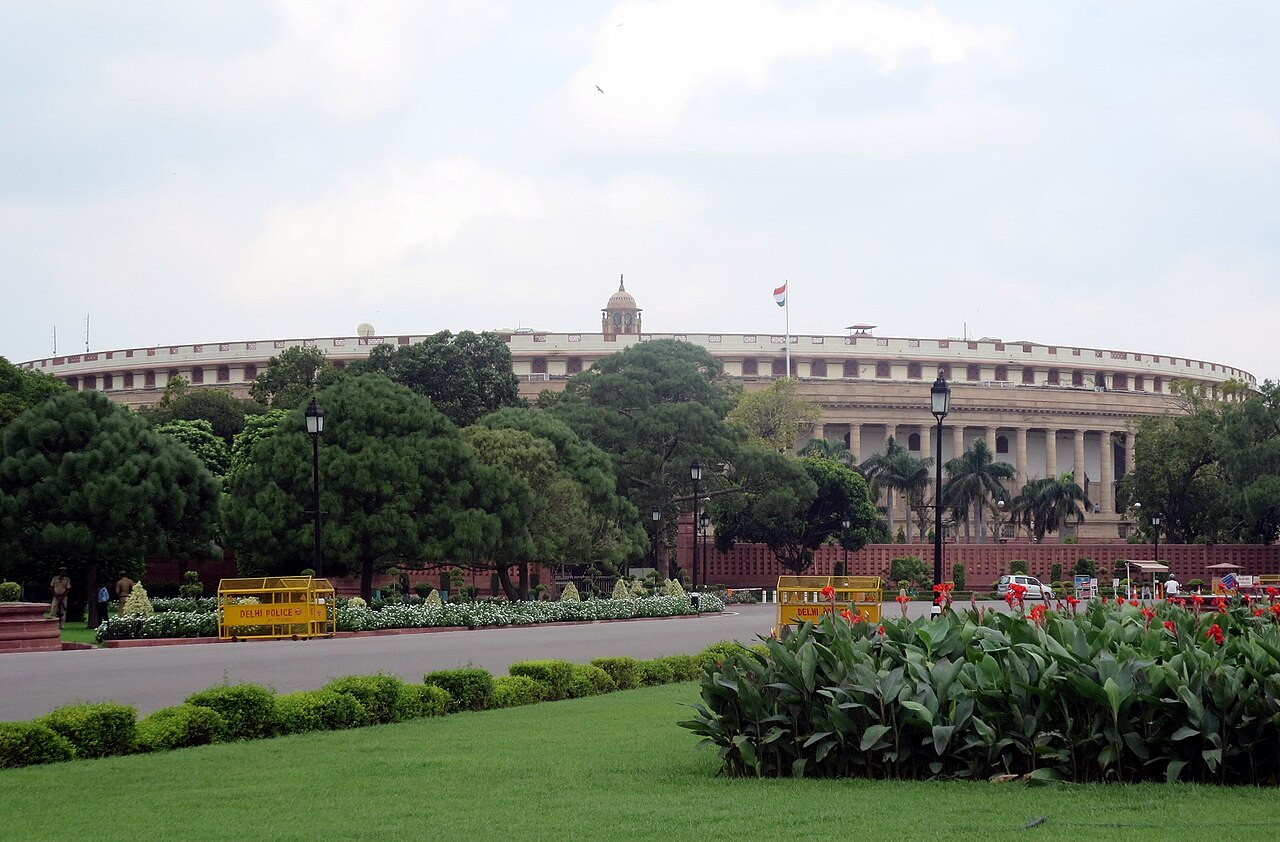
దశాబ్దాల ఉద్యమం తర్వాత తెలంగాణ రాష్ట్ర ఏర్పాటు చివరి అడుగు దిల్లీలోని పార్లమెంటులో పడింది. 2014 ఫిబ్రవరిలోని ఆ రెండు వారాలు భారత పార్లమెంటు చరిత్రలోనే అత్యంత ఉద్విగ్నభరితమైన రోజుల్లో కొన్ని. ఆ రోజు ఏం జరిగిందో క్రమంగా చూద్దాం.
నేపథ్యం
2013 జూలై 30న కాంగ్రెస్ వర్కింగ్ కమిటీ, యూపీఏ సమన్వయ కమిటీ తెలంగాణ ఏర్పాటుకు ఆమోదం తెలిపాయి. ఆ తర్వాత కేంద్ర మంత్రుల బృందం (జీవోఎం) విభజన అంశాలపై కసరత్తు చేసింది. ముసాయిదా బిల్లును రాష్ట్రపతి అభిప్రాయం కోసం ఉమ్మడి ఆంధ్రప్రదేశ్ శాసనసభకు పంపారు. శాసనసభ ఆ బిల్లును తిరస్కరిస్తూ తీర్మానం చేసింది. అయితే రాజ్యాంగంలోని 3వ అధికరణం ప్రకారం కొత్త రాష్ట్రాల ఏర్పాటు అధికారం పార్లమెంటుదే; రాష్ట్ర శాసనసభ అభిప్రాయం సలహా మాత్రమే.
ఫిబ్రవరి 13 — లోక్సభలో గందరగోళం
ఫిబ్రవరి 13న కేంద్ర హోంమంత్రి సుశీల్కుమార్ షిండే బిల్లును లోక్సభలో ప్రవేశపెట్టారు. విభజనను వ్యతిరేకిస్తున్న సీమాంధ్ర ప్రాంత ఎంపీలు తీవ్రంగా నిరసన తెలిపారు. ఈ క్రమంలో ఒక ఎంపీ సభలో పెప్పర్ స్ప్రే చల్లడం దేశాన్ని దిగ్భ్రాంతికి గురిచేసింది. పలువురు సభ్యులు అస్వస్థతకు గురయ్యారు. పలువురు ఎంపీలను సభ నుంచి సస్పెండ్ చేశారు. భారత పార్లమెంటుకు అది చీకటి రోజని అన్ని పార్టీలూ వ్యాఖ్యానించాయి.
ఫిబ్రవరి 18 — లోక్సభ ఆమోదం
ఫిబ్రవరి 18న నిరసనల మధ్యే లోక్సభ బిల్లుపై చర్చ చేపట్టింది. ప్రతిపక్ష బీజేపీ కొన్ని సవరణలతో బిల్లుకు మద్దతు ఇచ్చింది. ఓటింగ్ సమయంలో సభ ప్రత్యక్ష ప్రసారం నిలిచిపోవడం అప్పట్లో వివాదాస్పదమైంది. మూజువాణి ఓటుతో బిల్లు ఆమోదం పొందింది. తెలంగాణ అంతటా సంబరాలు మిన్నంటాయి, సీమాంధ్రలో నిరసనలు జరిగాయి.
ఫిబ్రవరి 19 — ముఖ్యమంత్రి రాజీనామా
విభజనను మొదటి నుంచీ వ్యతిరేకించిన అప్పటి ముఖ్యమంత్రి ఎన్. కిరణ్కుమార్ రెడ్డి, లోక్సభ ఆమోదం తర్వాత తన పదవికి, కాంగ్రెస్ పార్టీకి రాజీనామా చేశారు. తర్వాత ఆయన కొత్త పార్టీ పెట్టారు.
ఫిబ్రవరి 20 — రాజ్యసభ, ప్రత్యేక హోదా హామీ
ఫిబ్రవరి 20న రాజ్యసభలో బిల్లుపై చర్చ జరిగింది. ఈ సందర్భంగా ప్రధాని మన్మోహన్ సింగ్ విభజిత ఆంధ్రప్రదేశ్కు ఐదేళ్ల పాటు ప్రత్యేక కేటగిరీ హోదా ఇస్తామని సభలో ప్రకటించారు. పోలవరం ప్రాజెక్టును జాతీయ ప్రాజెక్టుగా చేపట్టడం, కొత్త రాజధానికి సహాయం వంటి హామీలు కూడా ఇచ్చారు. రాజ్యసభ కూడా బిల్లును ఆమోదించింది. (ప్రత్యేక హోదా హామీ చట్టంలో భాగం కాకపోవడం, తర్వాతి కాలంలో అది పెద్ద రాజకీయ వివాదంగా మారడం తెలిసిందే.)
మార్చి 1 — రాష్ట్రపతి ఆమోదం
2014 మార్చి 1న రాష్ట్రపతి ప్రణబ్ ముఖర్జీ ఆంధ్రప్రదేశ్ పునర్వ్యవస్థీకరణ చట్టం, 2014కు ఆమోదముద్ర వేశారు. అదే రోజు ఉమ్మడి రాష్ట్రంలో రాష్ట్రపతి పాలన విధించారు. 2014 జూన్ 2ను "అపాయింటెడ్ డే"గా నిర్ణయించారు.
చట్టంలోని ముఖ్యాంశాలు
• హైదరాబాద్ పదేళ్ల పాటు రెండు రాష్ట్రాలకు ఉమ్మడి రాజధాని.
• ఉద్యోగులు, ఆస్తులు, అప్పుల పంపకానికి నిబంధనలు.
• కృష్ణా, గోదావరి జలాల నిర్వహణకు నదీ యాజమాన్య బోర్డులు.
• ఖమ్మం జిల్లాలోని కొన్ని మండలాలు (పోలవరం ముంపు ప్రాంతాలు) తర్వాత ఆర్డినెన్స్ ద్వారా ఏపీలో కలిశాయి.
• షెడ్యూల్ 9, 10 సంస్థల విభజన — ఈ అంశాలు నేటికీ పూర్తిగా పరిష్కారం కాలేదు.
జూన్ 2, 2014
అపాయింటెడ్ డే నాడు తెలంగాణ దేశంలో 29వ రాష్ట్రంగా అవతరించింది. కె. చంద్రశేఖర్ రావు తొలి ముఖ్యమంత్రిగా ప్రమాణం చేశారు. గవర్నర్ ఈ.ఎస్.ఎల్. నరసింహన్ రెండు రాష్ట్రాలకూ గవర్నర్గా కొనసాగారు.
ముగింపు
పార్లమెంటులో జరిగిన గందరగోళం మీద విమర్శలు ఉన్నా, అంతిమంగా రాజ్యాంగ ప్రక్రియ ద్వారానే కొత్త రాష్ట్రం ఏర్పడింది. ఒక ప్రాంతానికి ఆనందం, మరో ప్రాంతానికి ఆవేదన కలిగించిన ఆ రోజులు తెలుగు ప్రజల చరిత్రలో శాశ్వతంగా నిలిచిపోయాయి. ఆ చట్టంలోని హామీల అమలుపై చర్చ ఇప్పటికీ కొనసాగుతోంది.
ఫోటో: Nikhilb239 / Wikimedia Commons (CC BY-SA 4.0)
February 2014: How the Telangana bill passed Parliament
After decades of agitation, the final step towards the formation of Telangana state took place in the Parliament in Delhi. Those two weeks in February 2014 were some of the most tense days in the history of the Indian Parliament. Let's take a look at what happened that day.
Background
On July 30, 2013, the Congress Working Committee and the UPA Coordination Committee approved the formation of Telangana. After that, the Union Group of Ministers (GoM) worked on the bifurcation issues. The draft bill was sent to the joint Andhra Pradesh Legislative Assembly for the President's opinion. The Assembly passed a resolution rejecting the bill. However, according to Article 3 of the Constitution, the power to form new states lies with Parliament; the opinion of the state legislature is only advisory.
February 13 — Chaos in the Lok Sabha
On February 13, Union Home Minister Sushilkumar Shinde introduced the bill in the Lok Sabha. MPs from the Seemandhra region, who were opposed to the division, protested vigorously. In this context, an MP used pepper spray in the House, shocking the country. Several members fell ill. Several MPs were suspended from the House. All parties commented that it was a dark day for the Indian Parliament.
February 18 — Lok Sabha approval
The Lok Sabha debated the bill on February 18 amid protests. The opposition BJP supported the bill with some amendments. The live broadcast of the House was stopped during the voting, which was controversial at the time. The bill was passed by voice vote. Celebrations were held across Telangana, and protests took place in Seemandhra.
February 19 — Chief Minister resigns.
The then Chief Minister N. Kiran Kumar Reddy, who had opposed the division from the beginning, resigned from his post and the Congress party after the Lok Sabha approved it. He later formed a new party.
February 20 — Rajya Sabha, special status guaranteed
The bill was debated in the Rajya Sabha on February 20. On this occasion, Prime Minister Manmohan Singh announced in the House that the divided Andhra Pradesh would be given special category status for five years. He also made promises like taking up the Polavaram project as a national project and helping with the new capital. The Rajya Sabha also passed the bill. (It is known that the special status was not part of the guarantee act, and it later became a major political controversy.)
March 1 — Presidential approval
On 1 March 2014, President Pranab Mukherjee gave his assent to the Andhra Pradesh Reorganisation Act, 2014. On the same day, President's Rule was imposed in the united state. 2 June 2014 was fixed as the "Appointed Day".
Highlights of the law
• Hyderabad was the joint capital of the two states for ten years.
• Rules for the distribution of employees, assets, and debts.
• River Management Boards for the management of Krishna and Godavari waters.
• Some mandals of Khammam district (Polavaram flood areas) were later merged into AP through an ordinance.
• Separation of Schedule 9 and 10 institutions — These issues have not been fully resolved to this day.
June 2, 2014
On the appointed day, Telangana became the 29th state in the country. K. Chandrasekhar Rao was sworn in as the first Chief Minister. Governor E.S.L. Narasimhan continued as the Governor of both the states.
Conclusion
Despite criticism over the chaos in Parliament, the new state was ultimately formed through the constitutional process. Those days, which brought joy to one region and sorrow to another, are forever etched in the history of the Telugu people. The debate over the implementation of the guarantees in that law is still ongoing.
Photo: Nikhilb239 / Wikimedia Commons (CC BY-SA 4.0)