
తెలంగాణ
తెలంగాణ సాయుధ రైతాంగ పోరాటం (1946–51): భూమి, భుక్తి, విముక్తి
చిట్యాల ఐలమ్మ, దొడ్డి కొమరయ్య, వేలాది గ్రామీణులు వెట్టిచాకిరీ, భూస్వాముల దోపిడీపై తిరగబడ్డారు — దేశంలోనే అతిపెద్ద రైతాంగ పోరాటాల్లో ఒకటి.
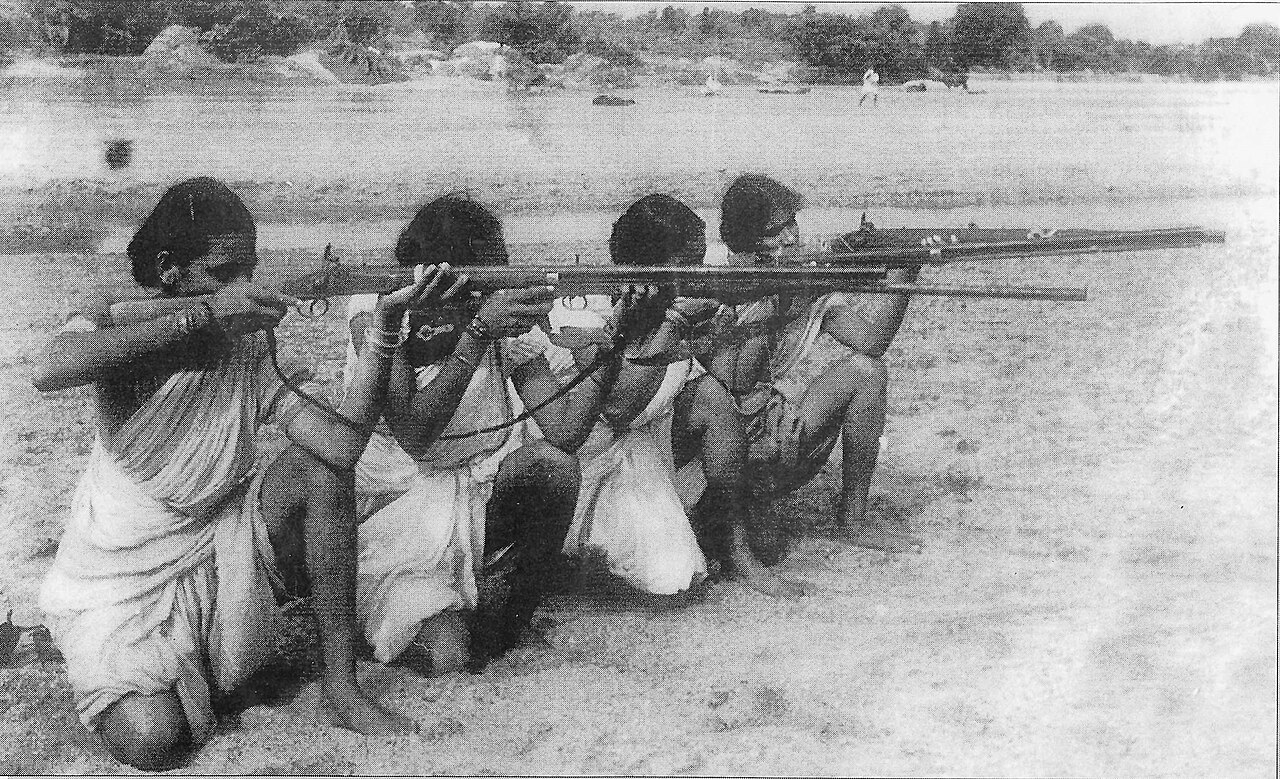
"భూమి కోసం, భుక్తి కోసం, వెట్టిచాకిరీ విముక్తి కోసం" — ఈ నినాదంతో 1946 నుంచి 1951 వరకు తెలంగాణ పల్లెలు తిరగబడ్డాయి. దాన్నే తెలంగాణ సాయుధ రైతాంగ పోరాటం అంటారు. భారత చరిత్రలో అతిపెద్ద రైతు ఉద్యమాల్లో ఇది ఒకటి.
నేపథ్యం — దొరల పాలన, వెట్టి
నిజాం పాలనలోని హైదరాబాద్ సంస్థానంలో భూమి ఎక్కువగా జాగీర్దార్లు, దేశ్ముఖ్లు, దొరల చేతుల్లో ఉండేది. కొందరు దొరల కింద వేల ఎకరాలు ఉండేవి. సామాన్య రైతులు, కూలీలు "వెట్టిచాకిరీ" — అంటే జీతం లేని బలవంతపు పని — చేయాల్సి వచ్చేది. దొర ఇంట్లో పెళ్లి అయినా, అధికారి గ్రామానికి వచ్చినా, ఉచితంగా సేవ చేయాల్సిందే. అధిక పన్నులు, అక్రమ వసూళ్లు, అవమానాలు గ్రామీణుల జీవితంలో భాగమయ్యాయి.
ఆంధ్ర మహాసభ — చైతన్యం
1930ల నుంచి "ఆంధ్ర మహాసభ" గ్రంథాలయాలు, రాత్రి పాఠశాలలు, సభల ద్వారా తెలుగు ప్రజల్లో చైతన్యం నింపింది. రావి నారాయణ రెడ్డి, బద్దం ఎల్లారెడ్డి, మగ్దూం మొహియుద్దీన్ వంటి నాయకులు కమ్యూనిస్ట్ పార్టీ ఆధ్వర్యంలో రైతులను సంఘటితం చేశారు. "సంఘం" అనే మాట గ్రామాల్లో ధైర్యానికి గుర్తుగా మారింది.
చిట్యాల ఐలమ్మ — ధిక్కార స్వరం
వరంగల్ జిల్లా పాలకుర్తికి చెందిన చిట్యాల (చాకలి) ఐలమ్మ కౌలుకు తీసుకున్న భూమిలో పండిన పంటను విసునూరు దేశ్ముఖ్ మనుషులు దౌర్జన్యంగా తీసుకెళ్లేందుకు ప్రయత్నించారు. సంఘం అండతో ఐలమ్మ ఎదురుతిరిగింది. ఒక సాధారణ బహుజన మహిళ ఒక శక్తివంతమైన దొరను ఎదిరించడం ఆ రోజుల్లో ఊహించలేని విషయం. ఆమె పోరాటం వేలాది మందికి ప్రేరణగా నిలిచింది.
దొడ్డి కొమరయ్య — తొలి అమరుడు
1946 జూలై 4న జనగామ ప్రాంతంలోని కడివెండి గ్రామంలో సంఘం ఊరేగింపుపై దేశ్ముఖ్ గూండాలు కాల్పులు జరిపారు. ఆ కాల్పుల్లో దొడ్డి కొమరయ్య అమరుడయ్యారు. ఆయన మరణంతో పోరాటం సాయుధ రూపం తీసుకుందని చరిత్రకారులు చెబుతారు.
గ్రామ రాజ్యాలు
పోరాటం ఉధృతంగా ఉన్న కాలంలో నల్గొండ, వరంగల్, ఖమ్మం ప్రాంతాల్లోని వేలాది గ్రామాల్లో దొరల పాలన అంతమై, గ్రామ కమిటీలు పాలన చేపట్టాయి. దొరల భూములను పేదలకు పంచారు. వెట్టి రద్దయింది. కనీస కూలీ రేట్లు అమలయ్యాయి. ఆరుట్ల కమలాదేవి, మల్లు స్వరాజ్యం వంటి మహిళలు సాయుధ దళాల్లో పాల్గొనడం ఈ ఉద్యమ ప్రత్యేకత.
రజాకార్ల దౌర్జన్యాలు
1947 తర్వాత నిజాం ప్రభుత్వం అండతో ఖాసిం రజ్వీ నాయకత్వంలోని రజాకార్లు గ్రామాలపై దాడులు చేశారు. బైరాన్పల్లి వంటి గ్రామాల్లో జరిగిన దారుణాలు ఇప్పటికీ ప్రజల జ్ఞాపకాల్లో ఉన్నాయి. నిజాం పాలనను, రజాకార్లను విమర్శించిన పాత్రికేయుడు షోయబుల్లా ఖాన్ 1948లో హత్యకు గురయ్యారు — పత్రికా స్వేచ్ఛ కోసం ప్రాణం ఇచ్చిన వీరుడిగా ఆయనను గుర్తుంచుకుంటారు.
ఆపరేషన్ పోలో తర్వాత
1948 సెప్టెంబర్లో భారత సైన్యం హైదరాబాద్ను విలీనం చేసింది. అయితే సాయుధ పోరాటం వెంటనే ఆగలేదు. భూమి పంపకం విషయంలో కొత్త ప్రభుత్వంతోనూ ఘర్షణ కొనసాగింది. చివరికి 1951 అక్టోబర్లో కమ్యూనిస్ట్ పార్టీ సాయుధ పోరాటాన్ని విరమించింది. ఈ పోరాటంలో వేలాది మంది ప్రాణాలు కోల్పోయారు.
వారసత్వం
ఈ పోరాటం ఫలితంగా తర్వాతి కాలంలో జాగీర్దారీ వ్యవస్థ రద్దు, కౌలుదారుల రక్షణ చట్టాలు, భూసంస్కరణలు వచ్చాయి. తెలుగు సాహిత్యంలో "మా భూమి" నాటకం, ఎన్నో పాటలు, నవలలు ఈ పోరాటాన్ని చిరస్థాయిగా నిలిపాయి. చిట్యాల ఐలమ్మ జయంతిని తెలంగాణ ప్రభుత్వం అధికారికంగా నిర్వహిస్తోంది.
ముగింపు
తెలంగాణ ఆత్మగౌరవ చరిత్రలో సాయుధ రైతాంగ పోరాటం ఒక ముఖ్యమైన అధ్యాయం. సామాన్యులు ఒక్కటైతే ఎంత బలమైన వ్యవస్థనైనా మార్చగలరని ఈ చరిత్ర చెబుతుంది.
ఫోటో: Unknown author / Wikimedia Commons (Public domain)
The Telangana armed peasant struggle (1946–51): Land, dignity and freedom
"For land, for livelihood, for freedom from bonded labour" — with this slogan, the villages of Telangana revolted from 1946 to 1951. That is called the Telangana Armed Peasant Struggle. It is one of the largest peasant movements in Indian history.
Background — Aristocracy, Vetti
In the Hyderabad state under the Nizam's rule, land was mostly in the hands of jagirdars, deshmukhs, and nobles. Some nobles owned thousands of acres. Ordinary farmers and laborers were forced to do "vettichakiri" — that is, unpaid forced labor. Even if they married into a noble's house or an official came to the village, they had to serve for free. High taxes, illegal collections, and humiliation became part of the life of the villagers.
Andhra Mahasabha — Chaitanya
From the 1930s, the "Andhra Mahasabha" energized the Telugu people through libraries, night schools, and meetings. Leaders like Ravi Narayana Reddy, Baddam Yella Reddy, and Magdum Mohiuddin organized the farmers under the auspices of the Communist Party. The word "Sangham" became a symbol of courage in the villages.
Chityala Ailamma — A voice of contempt
Visunur Deshmukh's men violently tried to take away the crops grown on the land rented by Chityala (Chakali) Ailamma of Palakurthi in Warangal district. Ailamma fought back with the support of the community. It was unthinkable in those days for an ordinary Bahujan woman to oppose a powerful aristocrat. Her struggle became an inspiration to thousands of people.
Doddi Komarayya — The First Immortal
On July 4, 1946, Deshmukh's goons opened fire on a community procession in Kadivendi village in Jangaon area. Doddi Komaraiah was martyred in the firing. Historians say that with his death, the struggle took an armed form.
Village kingdoms
During the height of the struggle, the rule of the nobility ended in thousands of villages in Nalgonda, Warangal and Khammam regions and village committees took over the rule. The lands of the nobility were distributed to the poor. The tax was abolished. Minimum wage rates were implemented. The speciality of this movement was the participation of women like Arutla Kamaladevi and Mallu Swarajyam in the armed forces.
Razakars' atrocities
After 1947, the Razakars, led by Qasim Razvi, supported by the Nizam's government, attacked villages. The atrocities committed in villages like Bairanpally are still fresh in people's memories. Shoaibullah Khan, a journalist who criticized the Nizam's rule and the Razakars, was assassinated in 1948 — he is remembered as a hero who gave his life for press freedom.
After Operation Polo
In September 1948, the Indian Army annexed Hyderabad. However, the armed struggle did not stop immediately. Conflicts with the new government over land distribution continued. Finally, in October 1951, the Communist Party called off the armed struggle. Thousands of people lost their lives in this struggle.
Inheritance
This struggle later resulted in the abolition of the Jagirdari system, tenant protection laws, and land reforms. The play "Maa Bhoomi" and many songs and novels in Telugu literature immortalized this struggle. The birth anniversary of Chityala Ailamma is officially celebrated by the Telangana government.
Conclusion
The armed peasant struggle is an important chapter in the history of Telangana's self-respect. This history shows that the common people, united, can change even the strongest system.
Photo: Unknown author / Wikimedia Commons (Public domain)