
తెలంగాణ
ఇంట్లో ఇంకుడు గుంత: హైదరాబాద్ కుటుంబాలకు ఆచరణాత్మక గైడ్
ఒక చదరపు మీటరు పైకప్పుపై ఒక మిల్లీమీటరు వర్షం పడితే ఒక లీటరు నీరు. దాన్ని ఎలా పట్టుకోవాలి, నిల్వ చేయాలి, బోరును ఎలా రీచార్జ్ చేయాలి.
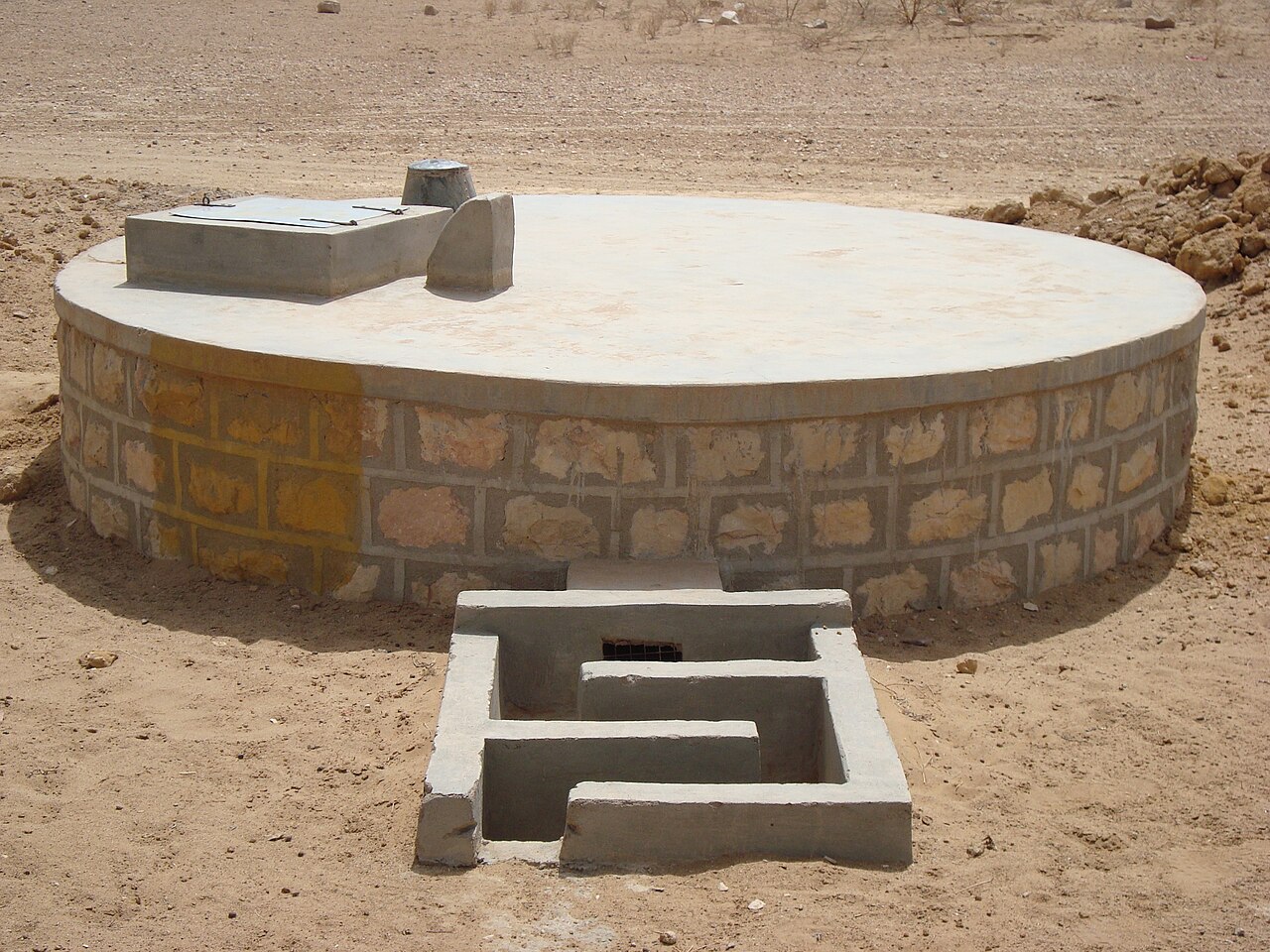
వేసవి వచ్చిందంటే హైదరాబాద్లో చాలా అపార్ట్మెంట్లు, ఇళ్లు ట్యాంకర్ల కోసం ఎదురుచూస్తాయి. బోర్లు ఎండిపోతాయి. కానీ వర్షాకాలంలో అదే నగరంలో రోడ్లు చెరువులవుతాయి. ఆ వర్షపు నీటిని కొంతైనా భూమిలోకి పంపగలిగితే ఈ రెండు సమస్యలూ తగ్గుతాయి. దానికి పరిష్కారమే రెయిన్ వాటర్ హార్వెస్టింగ్ — మన భాషలో ఇంకుడు గుంత.
ఎంత నీరు దొరుకుతుంది? — ఒక సులువైన లెక్క
నియమం సింపుల్: ఒక చదరపు మీటరు పైకప్పుపై ఒక మిల్లీమీటరు వర్షం పడితే, ఒక లీటరు నీరు వస్తుంది.
ఉదాహరణకు, మీ ఇంటి మేడ 100 చదరపు మీటర్లు (సుమారు 1,075 చదరపు అడుగులు) అనుకుందాం. హైదరాబాద్లో ఏడాదికి సగటున సుమారు 800 మిల్లీమీటర్ల వర్షం పడుతుంది. అంటే 100 × 800 = 80,000 లీటర్లు. ఆవిరి, వృథా పోగా సుమారు 60,000 లీటర్లు సేకరించవచ్చు. అది ఎన్నో ట్యాంకర్లతో సమానం!
రెండు పద్ధతులు
1. నిల్వ చేయడం (స్టోరేజ్): మేడపై నీటిని పైపుల ద్వారా ఒక ట్యాంకు లేదా సంపులోకి పంపి నేరుగా వాడుకోవడం. తోటకు, కార్లు కడగడానికి, టాయిలెట్లకు ఈ నీరు బాగా ఉపయోగపడుతుంది. తాగడానికి వాడాలంటే సరైన ఫిల్టరింగ్, శుద్ధి తప్పనిసరి.
2. భూమిలోకి ఇంకించడం (రీచార్జ్): నీటిని గుంత ద్వారా భూమిలోకి పంపి భూగర్భ జలాలను పెంచడం. మీ బోరు నీటి మట్టం మెరుగుపడుతుంది. నగర ఇళ్లకు ఇదే ఎక్కువగా సూచిస్తారు.
ఇంకుడు గుంత ఎలా కట్టాలి?
• స్థలం: ఇంటి పక్కన, బోరుకు దగ్గరగా, సెప్టిక్ ట్యాంకుకు దూరంగా (కనీసం 6–10 మీటర్లు) ఉండాలి.
• కొలతలు: సాధారణ ఇంటికి సుమారు 1 మీటరు పొడవు × 1 మీటరు వెడల్పు × 1.5–2 మీటర్ల లోతు గుంత సరిపోతుంది. మేడ పెద్దదైతే గుంత పెద్దది లేదా రెండు గుంతలు అవసరం.
• పొరలు: అడుగున పెద్ద రాళ్లు (బండరాళ్లు), మధ్యలో చిన్న కంకర, పైన ముతక ఇసుక వేయాలి. ఇవి నీటిని వడపోస్తాయి.
• పైపులు: మేడపై నుంచి వచ్చే డౌన్పైపులన్నింటినీ ఈ గుంతకు కలపాలి. మొదటి వర్షపు నీరు (మేడపై దుమ్ము, ఆకులతో కూడినది) బయటకు పోయేలా "ఫస్ట్ ఫ్లష్" ఏర్పాటు మంచిది.
• మూత: పిల్లలు, జంతువులు పడకుండా గుంతకు జాలీ లేదా రంధ్రాల మూత పెట్టాలి.
• బోరు రీచార్జ్: ఎండిపోయిన పాత బోరు ఉంటే, దాని చుట్టూ ఫిల్టర్తో గుంత కట్టి నేరుగా రీచార్జ్ చేయవచ్చు. దీనికి నిపుణుల సలహా తీసుకోవాలి.
ఖర్చు ఎంత?
ఇంటి పరిమాణం, మెటీరియల్, మట్టి రకాన్ని బట్టి ఖర్చు మారుతుంది. సాధారణ ఇంటికి సుమారు కొన్ని వేల రూపాయల నుంచి ఇరవై–ముప్పై వేల వరకు అవుతుందని స్థానిక కాంట్రాక్టర్లు చెబుతారు. అపార్ట్మెంట్లకు ఎక్కువ ఖర్చవుతుంది కానీ ఒక్కో ఫ్లాట్కు పంచితే చాలా తక్కువ. ఒక్క వేసవిలో ట్యాంకర్ల ఖర్చుతో పోలిస్తే ఇది తక్కువే.
నిర్వహణ
• వర్షాకాలానికి ముందు ఏటా ఒకసారి మేడ, గట్టర్లు శుభ్రం చేయాలి.
• రెండు–మూడేళ్లకు ఒకసారి పై ఇసుక పొర తీసి కొత్తది వేయాలి.
• గుంతలోకి వంటింటి నీరు, సబ్బు నీరు, రసాయనాలు వెళ్లకుండా చూడాలి.
నిబంధనలు
నగరాల్లో నిర్దిష్ట విస్తీర్ణం పైబడిన కొత్త భవనాలకు ఇంకుడు గుంతలు తప్పనిసరి చేస్తూ స్థానిక సంస్థలు, జలమండలి నిబంధనలు అమలు చేస్తున్నాయి. మీ ప్రాంతానికి వర్తించే నిబంధనలు, అందుబాటులో ఉన్న సాంకేతిక సహాయం కోసం మున్సిపల్ కార్యాలయాన్ని లేదా జలమండలిని సంప్రదించండి.
ముగింపు
ప్రతి ఇల్లు ఒక చిన్న చెరువులా పనిచేస్తే, నగరమే ఒక పెద్ద నీటి నిల్వ కేంద్రం అవుతుంది. ఈ వర్షాకాలానికి ముందే మీ ఇంట్లో ఇంకుడు గుంత కట్టండి — అది మీ బోరుకే కాదు, మీ పొరుగువారి బోరుకూ మేలు చేస్తుంది.
ఫోటో: Spiritualfade (talk) 09:37, 23 July 2009 (UTC) / Wikimedia Commons (Public domain)
Rainwater harvesting at home: A practical guide for Hyderabad households
When summer comes, many apartments and houses in Hyderabad wait for tankers. The boreholes dry up. But during the rainy season, the roads in the same city turn into ponds. If we can channel some of that rainwater into the ground, both these problems will be reduced. The solution to that is rainwater harvesting — in our language, Inkudu Guntha.
How much water is available? — A simple calculation
The rule is simple: if one millimeter of rain falls on one square meter of roof, one liter of water will fall.
For example, let's say your roof area is 100 square meters (about 1,075 square feet). Hyderabad receives an average of 800 millimeters of rain per year. That means 100 × 800 = 80,000 liters. About 60,000 liters can be collected as steam and waste. That's the equivalent of many tankers!
Two methods
1. Storage: The process of piping water from the rooftop into a tank or reservoir for direct use. This water is useful for gardening, washing cars, and flushing toilets. Proper filtration and purification are essential for drinking purposes.
2. Recharging: Pumping water into the ground through a well increases the groundwater level. This improves the water level in your borehole. This is mostly recommended for urban homes.
How to build a pond?
• Location: Next to the house, close to the borehole, and away from the septic tank (at least 6–10 meters).
• Dimensions: A pit measuring approximately 1 meter long × 1 meter wide × 1.5–2 meters deep is sufficient for a typical house. If the house is large, a larger pit or two pits are required.
• Layers: Large rocks (pebbles) should be placed at the bottom, small gravel in the middle, and coarse sand on top. These will filter the water.
• Pipes: All downpipes coming from the roof should be connected to this pit. It is a good idea to install a "first flush" so that the first rainwater (containing dust and leaves on the roof) can drain out.
• Cover: The pit should be covered with a net or hole cover to prevent children and animals from falling in.
• Borehole recharge: If you have an old, dry borehole, you can directly recharge it by building a pit with a filter around it. Expert advice should be sought for this.
How much does it cost?
The cost varies depending on the size of the house, the material, and the type of soil. Local contractors say that it will cost anywhere from a few thousand rupees to twenty-thirty thousand for a typical house. Apartments cost more, but when spread out per flat, it is very less. This is less than the cost of tankers in a single summer.
Management
• Roofs and gutters should be cleaned once a year before the rainy season.
• The top layer of sand should be removed and a new layer applied every two to three years.
• Make sure that kitchen water, soapy water, and chemicals do not enter the pit.
Terms
Local authorities and water boards are enforcing regulations in cities requiring septic tanks for new buildings above a certain size. Contact your municipal office or water board for the regulations that apply to your area and available technical assistance.
Conclusion
If every house acts as a small pond, the city itself will become a large water storage center. Before this rainy season, dig a cistern in your house — it will not only benefit your well, but also your neighbors' wells.
Photo: Spiritualfade (talk) 09:37, 23 July 2009 (UTC) / Wikimedia Commons (Public domain)