
తెలంగాణ
మూసీ పునరుజ్జీవం: ప్రణాళిక ఏమిటి, ఖర్చు ఎంత, చర్చ ఎందుకు?
దశాబ్దాలుగా మురుగు కాలువగా మారిన హైదరాబాద్ నది మళ్లీ ప్రాణం పోసుకోగలదా? దాని ఒడ్డున నివసించే ప్రజలకు దాని మూల్యం ఎంత?
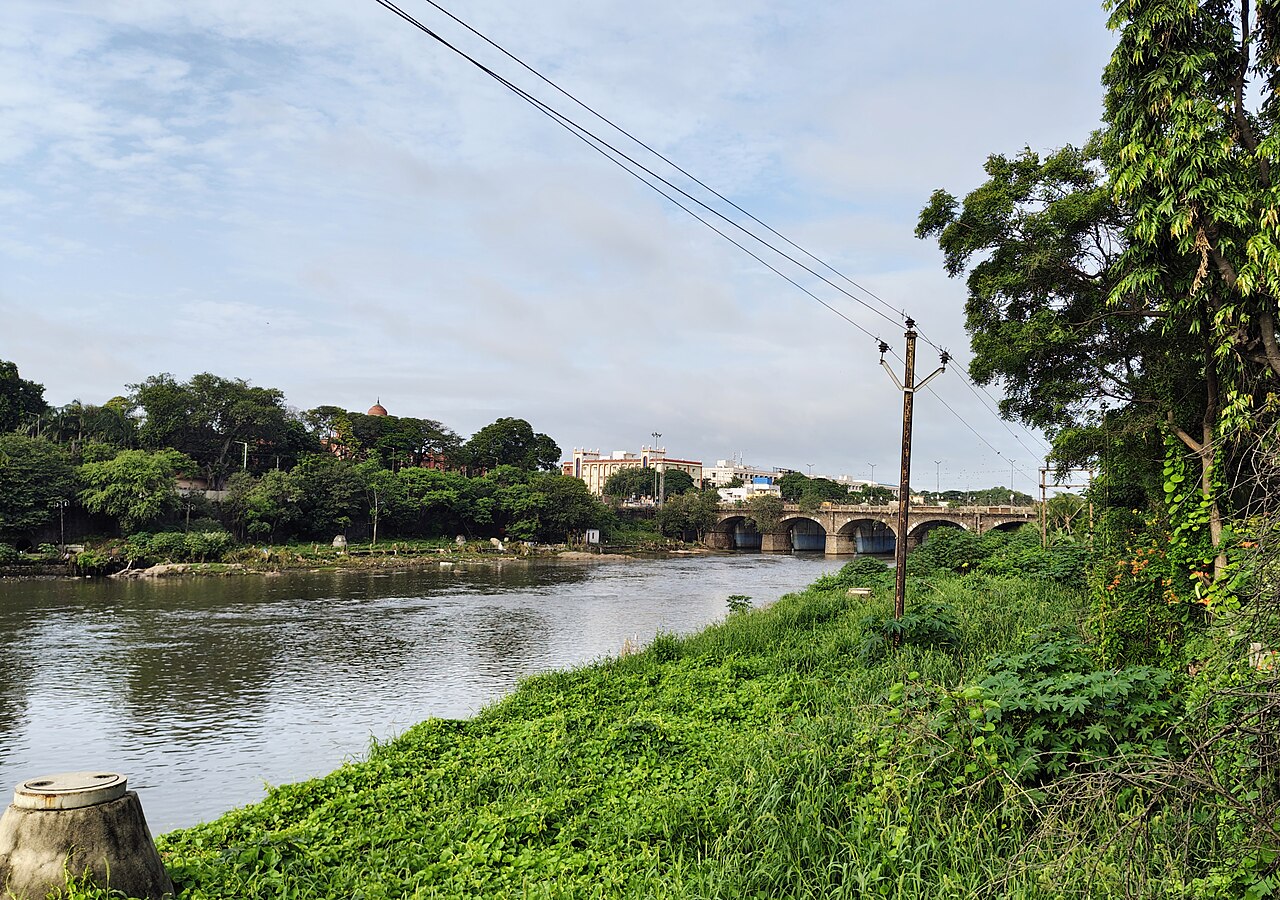
హైదరాబాద్ నగరం మూసీ నది ఒడ్డునే పుట్టింది. 1591లో కులీ కుతుబ్షా చార్మినార్ నిర్మించినప్పుడు, మూసీ స్వచ్ఛమైన నీటితో ప్రవహించేది. కానీ ఈ రోజు ఆ నది పేరు వింటే చాలామందికి దుర్వాసన, మురుగు, దోమలు గుర్తొస్తాయి. ఈ నదిని మళ్లీ బతికించాలనే ప్రణాళిక ఇప్పుడు తెలంగాణలో పెద్ద చర్చనీయాంశం.
మూసీ ఎలా మురుగు కాలువ అయింది?
వికారాబాద్ సమీపంలోని అనంతగిరి కొండల్లో పుట్టిన మూసీ, హైదరాబాద్ గుండా ప్రవహించి నల్గొండ జిల్లాలో కృష్ణా నదిలో కలుస్తుంది. 1908 వరద తర్వాత నిర్మించిన ఉస్మాన్ సాగర్, హిమాయత్ సాగర్ జలాశయాలు ఎగువ నీటిని నిలిపేయడంతో, నగరంలో నదికి సహజ ప్రవాహం తగ్గింది. నగరం పెరిగేకొద్దీ ఇళ్లు, పరిశ్రమల మురుగునీరు శుద్ధి చేయకుండానే నదిలోకి చేరింది. దేశంలోని అత్యంత కలుషిత నదుల్లో మూసీ ఒకటని కాలుష్య నియంత్రణ సంస్థల నివేదికలు పలుమార్లు పేర్కొన్నాయి.
దిగువ ప్రాంతాల బాధ
నగరం దాటిన తర్వాత ఈ కలుషిత నీటితోనే నల్గొండ, యాదాద్రి భువనగిరి జిల్లాల్లో వేలాది ఎకరాల్లో వరి, కూరగాయలు, పశుగ్రాసం పండిస్తున్నారు. ఈ నీటి వల్ల రైతుల ఆరోగ్యం, పంటల నాణ్యతపై ఆందోళనలు ఉన్నాయి. అంటే మూసీ సమస్య కేవలం హైదరాబాద్ది కాదు.
గత ప్రయత్నాలు
మూసీ శుద్ధి కోసం గతంలో పలు ప్రణాళికలు వచ్చాయి. మురుగునీటి శుద్ధి కేంద్రాలు (ఎస్టీపీలు) నిర్మించారు. 2017లో మూసీ రివర్ఫ్రంట్ డెవలప్మెంట్ కార్పొరేషన్ ఏర్పాటైంది. కొత్త ఎస్టీపీల నిర్మాణం కొనసాగుతోంది. అయినా నది పూర్తిగా మారలేదు.
కొత్త ప్రణాళిక — ఏముంది?
2024 నుంచి తెలంగాణ ప్రభుత్వం "మూసీ పునరుజ్జీవ ప్రాజెక్టు"ను ప్రతిష్ఠాత్మకంగా చేపట్టింది. ప్రభుత్వం చెబుతున్న ముఖ్యాంశాలు:
• నగరంలో సుమారు 55 కిలోమీటర్ల మేర నదీ పరీవాహకాన్ని అభివృద్ధి చేయడం.
• నదిలోకి వెళ్లే మురుగునంతా శుద్ధి చేయడం.
• గోదావరి జలాలను తెచ్చి జంట జలాశయాలను నింపి, నదిలో స్వచ్ఛమైన నీటి ప్రవాహం కల్పించడం.
• నది వెంట పార్కులు, నడక మార్గాలు, సాంస్కృతిక కేంద్రాలు, రవాణా సదుపాయాలు.
• ప్రపంచంలోని ఇతర నగరాల్లో నదుల పునరుద్ధరణ నమూనాల అధ్యయనం.
ఖర్చు — ప్రధాన ప్రశ్న
ఈ ప్రాజెక్టు వ్యయంపై వార్తల్లో భారీ అంచనాలు వినిపించాయి. ఇంత పెద్ద మొత్తాన్ని ఎలా సమకూరుస్తారు, ఇది రాష్ట్ర ఆర్థిక స్థితిపై ఎలాంటి భారం మోపుతుందని ప్రతిపక్షాలు ప్రశ్నిస్తున్నాయి. ప్రాజెక్టు దశలవారీగా ఉంటుందని, వివిధ ఆర్థిక సంస్థల నుంచి నిధులు సమీకరిస్తామని ప్రభుత్వం చెబుతోంది.
నిర్వాసితులు — మానవీయ కోణం
నది గర్భంలో, బఫర్ జోన్లో దశాబ్దాలుగా వేలాది కుటుంబాలు నివసిస్తున్నాయి. వీరిలో ఎక్కువ మంది పేదలు, దినసరి కూలీలు. సర్వేలు, ఇళ్ల తొలగింపు వార్తలు ఆ కుటుంబాల్లో ఆందోళన కలిగించాయి. నిర్వాసితులకు డబుల్ బెడ్రూం ఇళ్లు, పునరావాసం కల్పిస్తామని ప్రభుత్వం చెబుతుండగా, తమ జీవనోపాధి, పిల్లల చదువులు దూరమవుతాయని బాధితులు అంటున్నారు. ప్రతిపక్షాలు ఈ అంశంపై నిరసనలు చేశాయి.
నిపుణులు ఏమంటున్నారు?
చాలామంది పర్యావరణ నిపుణులు ఒక విషయంలో ఏకీభవిస్తారు — నది అందం కంటే ముందు, నదిలోకి మురుగు రాకుండా ఆపడమే అసలు పరిష్కారం. ఎస్టీపీలు పూర్తి సామర్థ్యంతో పనిచేయడం, పరిశ్రమల వ్యర్థాలపై కఠిన నియంత్రణ, నాలాల ఆక్రమణల తొలగింపు, వరద ప్రవాహానికి దారి — ఇవి లేకుండా సుందరీకరణ మాత్రమే చేస్తే ఫలితం ఉండదని హెచ్చరిస్తున్నారు.
ముగింపు
మూసీని బతికించడం హైదరాబాద్ భవిష్యత్తుకు అవసరమే. కానీ అది పారదర్శకంగా, ప్రజల భాగస్వామ్యంతో, నిర్వాసితులకు న్యాయం చేస్తూ జరగాలి. ఒక నది పునరుజ్జీవం అంటే కేవలం నీటి పునరుద్ధరణ కాదు; దాని ఒడ్డున ఉన్న జీవితాల పునరుద్ధరణ కూడా.
ఫోటో: Kavali Chandrakanth KCK / Wikimedia Commons (CC BY-SA 4.0)
Musi River rejuvenation explained: The plan, the cost and the debate
The city of Hyderabad was born on the banks of the Musi River. When Quli Qutub Shah built the Charminar in 1591, the Musi flowed with clean water. But today, the name of the river brings to mind stench, sewage, and mosquitoes. A plan to revive this river is now a big topic of discussion in Telangana.
How did Musi become a sewer?
The Musi, which originates in the Anantagiri hills near Vikarabad, flows through Hyderabad and joins the Krishna River in Nalgonda district. The Usman Sagar and Himayat Sagar reservoirs, built after the 1908 floods, have reduced the natural flow of the river in the city. As the city grew, sewage from homes and industries entered the river untreated. Reports by pollution control agencies have repeatedly stated that the Musi is one of the most polluted rivers in the country.
Lower back pain
After passing through the city, this polluted water is used to grow rice, vegetables, and animal fodder on thousands of acres in Nalgonda, Yadadri, and Bhuvanagiri districts. There are concerns about the health of farmers and the quality of crops due to this water. This means that the Musi problem is not just a Hyderabad problem.
Past attempts
There have been several plans in the past to clean up the Musi. Sewage Treatment Plants (STPs) have been built. In 2017, the Musi Riverfront Development Corporation was formed. Construction of new STPs is ongoing. However, the river has not been completely transformed.
New plan — what's up?
The Telangana government has ambitiously undertaken the "Moosi Revival Project" from 2024. Highlights of what the government is saying:
• Developing approximately 55 kilometers of river basin in the city.
• Treating all sewage that goes into the river.
• Bringing Godavari waters and filling the twin reservoirs, ensuring clean water flow in the river.
• Parks, walkways, cultural centers, and transportation facilities along the river.
• Study of river restoration models in other cities around the world.
Cost — the main question
There have been huge estimates in the news about the cost of this project. The opposition is questioning how such a huge amount will be raised and what kind of burden it will put on the state's finances. The government says that the project will be implemented in phases and funds will be raised from various financial institutions.
Displaced people — a humanitarian perspective
Thousands of families have been living in the riverbed and buffer zone for decades. Most of them are poor and daily wage laborers. Surveys and news of evictions have caused concern among those families. While the government says it will provide double-bedroom houses and rehabilitation to the displaced, the victims say their livelihood and children's education will be taken away. The opposition has protested on this issue.
What do the experts say?
Many environmental experts agree on one thing — before beautifying the river, the real solution is to stop sewage from entering the river. They warn that without STPs operating at full capacity, strict control over industrial waste, removal of encroachments on the canals, and flood control — beautification alone will not yield results.
Conclusion
Reviving the Musi is essential for Hyderabad's future. But it must be done transparently, with public participation, and with justice for the displaced. Reviving a river is not just about restoring water; it is also about restoring the lives on its banks.
Photo: Kavali Chandrakanth KCK / Wikimedia Commons (CC BY-SA 4.0)