
ఆరోగ్యం
చిరుధాన్యాలు మళ్లీ వచ్చాయి: తెలంగాణ పాత ధాన్యాలు ఇప్పుడు ఎందుకు ముఖ్యం?
జొన్న, సజ్జ, రాగి, కొర్రలు తక్కువ నీటితో పండుతాయి, మెట్ట భూములకు సరిపోతాయి, పోషకాలు ఎక్కువ. అవి ఎందుకు మరుగున పడ్డాయి, మళ్లీ మీ కంచంలోకి ఎలా తేవాలి.
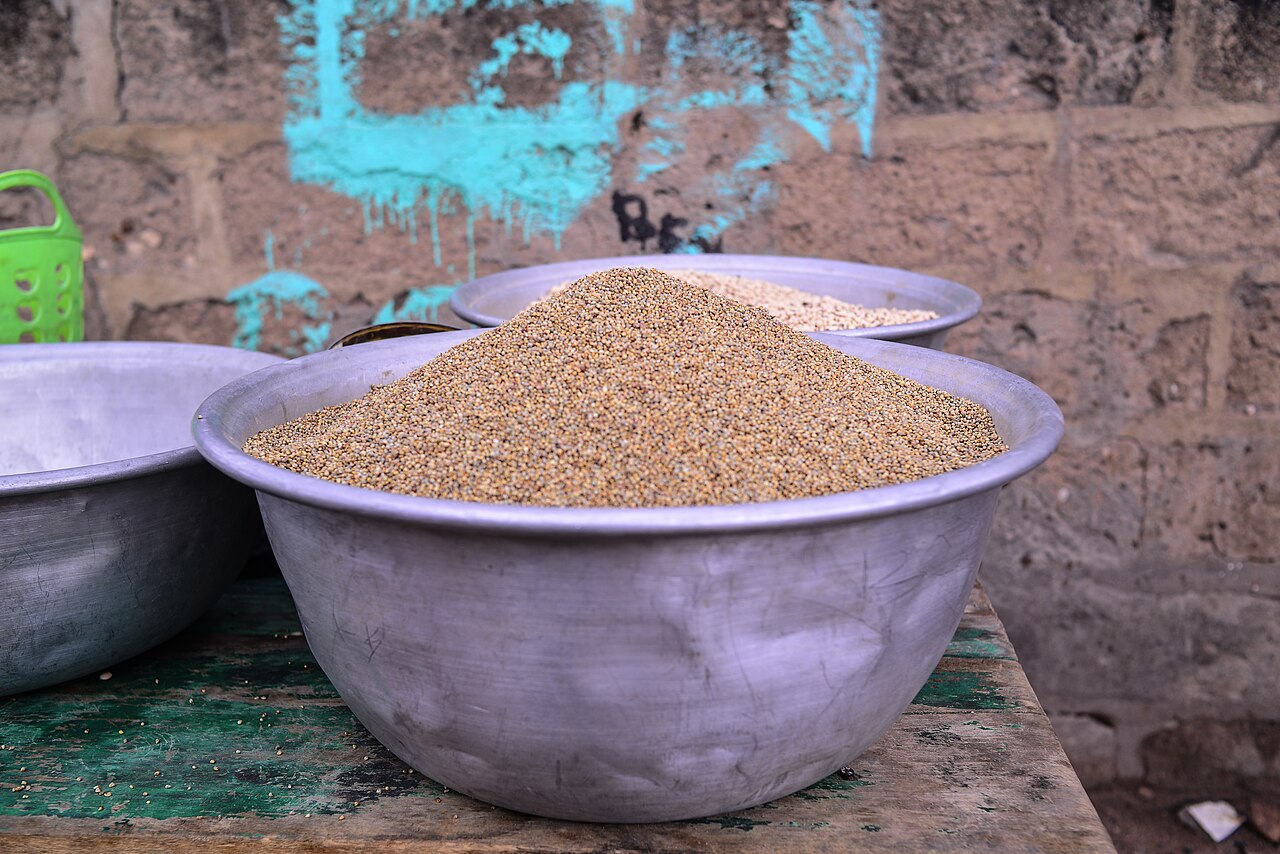
మన తాతల తరంలో తెలంగాణ, రాయలసీమ పల్లెల్లో రోజువారీ భోజనం జొన్న రొట్టె, సజ్జ అన్నం, రాగి సంగటి, కొర్ర బువ్వ. బియ్యం అన్నం పండుగలకే పరిమితం. కాలక్రమంలో పరిస్థితి తలకిందులైంది — వరి అన్నం రోజువారీ ఆహారమైంది, చిరుధాన్యాలు "పేదల తిండి"గా మరుగున పడ్డాయి. ఇప్పుడు అదే చిరుధాన్యాలు "సూపర్ ఫుడ్"గా మళ్లీ వస్తున్నాయి. ఎందుకు?
చిరుధాన్యాలు అంటే?
చిన్న గింజలు గల తృణధాన్యాలు — ఇంగ్లీష్లో "మిల్లెట్స్".
• జొన్న (సోర్గమ్)
• సజ్జ (పెర్ల్ మిల్లెట్ / బాజ్రా)
• రాగి (ఫింగర్ మిల్లెట్)
• కొర్రలు (ఫాక్స్టెయిల్ మిల్లెట్)
• సామలు (లిటిల్ మిల్లెట్)
• అరికెలు (కోడో మిల్లెట్)
• ఊదలు (బార్న్యార్డ్ మిల్లెట్)
• అండుకొర్రలు (బ్రౌన్టాప్ మిల్లెట్)
ఎందుకు మరుగున పడ్డాయి?
1960ల హరిత విప్లవం తర్వాత అధిక దిగుబడి వరి, గోధుమ రకాలు, సాగునీటి విస్తరణ, ప్రజా పంపిణీ వ్యవస్థలో చౌక బియ్యం సరఫరా వల్ల చిరుధాన్యాల సాగు, వినియోగం తగ్గింది. వండడానికి ఎక్కువ సమయం పడటం, "పాతకాలపు తిండి" అనే భావన కూడా కారణాలు.
ఆరోగ్య ప్రయోజనాలు
• పీచు పదార్థం (ఫైబర్) ఎక్కువ: జీర్ణక్రియకు మంచిది, ఎక్కువసేపు ఆకలి వేయదు.
• రక్తంలో చక్కెర నెమ్మదిగా పెరగడం: తెల్ల బియ్యంతో పోలిస్తే చాలా చిరుధాన్యాల గ్లైసెమిక్ ఇండెక్స్ తక్కువ — మధుమేహం ఉన్నవారికి వైద్యులు తరచూ సూచిస్తారు.
• ఖనిజాలు: రాగిలో కాల్షియం పుష్కలం — పిల్లల ఎముకలకు, వృద్ధులకు మంచిది. సజ్జలో ఐరన్ ఎక్కువ — రక్తహీనత నివారణకు సహాయం.
• గ్లూటెన్ లేనివి: గోధుమ సరిపడని వారికి ప్రత్యామ్నాయం. (ఆరోగ్య సమస్యలు ఉన్నవారు ఆహార మార్పులకు ముందు వైద్యుడిని సంప్రదించాలి.)
రైతులకు, పర్యావరణానికి ప్రయోజనాలు
• తక్కువ నీరు: వరితో పోలిస్తే చాలా తక్కువ నీటితో పండుతాయి. వర్షాధార మెట్ట భూములకు సరిపోతాయి.
• కరువును తట్టుకుంటాయి: వాతావరణ మార్పుల యుగంలో ఇది పెద్ద బలం.
• తక్కువ పెట్టుబడి: ఎరువులు, పురుగుమందుల అవసరం తక్కువ.
• పశుగ్రాసం: జొన్న, సజ్జ చొప్ప పశువులకు మేత.
జహీరాబాద్ మహిళల కథ
సంగారెడ్డి జిల్లా జహీరాబాద్ ప్రాంతంలో దక్కన్ డెవలప్మెంట్ సొసైటీ వంటి స్వచ్ఛంద సంస్థల సహకారంతో దళిత మహిళా రైతులు దశాబ్దాలుగా చిరుధాన్యాల సాగు, సంప్రదాయ విత్తనాల పరిరక్షణ చేస్తున్నారు. మిశ్రమ పంటల పద్ధతితో ఆహార భద్రత సాధించారు. ఏటా నిర్వహించే "జీవవైవిధ్య జాతర" ద్వారా చిరుధాన్యాల ప్రాముఖ్యాన్ని ప్రచారం చేస్తున్నారు. వారి కృషి అంతర్జాతీయ గుర్తింపు పొందింది.
ప్రపంచ గుర్తింపు
భారత ప్రతిపాదన మేరకు ఐక్యరాజ్యసమితి 2023ను "అంతర్జాతీయ చిరుధాన్యాల సంవత్సరం"గా ప్రకటించింది. భారత ప్రభుత్వం చిరుధాన్యాలను "శ్రీ అన్న" అని పిలుస్తూ ప్రోత్సహిస్తోంది. హైదరాబాద్లోని భారతీయ చిరుధాన్యాల పరిశోధనా సంస్థ (ఐఐఎంఆర్) ఈ రంగంలో దేశంలోనే ప్రముఖ పరిశోధనా కేంద్రం.
మీ కంచంలోకి ఎలా తేవాలి?
1. నెమ్మదిగా మొదలుపెట్టండి: రోజూ ఒక పూట — ఉదయం అల్పాహారంలో రాగి జావ, కొర్రల ఉప్మా, జొన్న దోశ.
2. నానబెట్టండి: వండే ముందు కొన్ని గంటలు నానబెడితే త్వరగా ఉడుకుతాయి, జీర్ణం సులువు.
3. అన్నం బదులు: కొర్రలు, సామలు, అరికెలను బియ్యంలాగే అన్నం వండుకోవచ్చు — పెరుగన్నం, పులిహోర, బిర్యానీ కూడా!
4. పిల్లల కోసం: రాగి లడ్డు, జొన్న బిస్కెట్లు, సజ్జ రొట్టెలు.
5. మారుస్తూ ఉండండి: ఒకే రకం కాకుండా వేర్వేరు చిరుధాన్యాలు మార్చి వాడండి.
6. నీరు తాగండి: పీచు ఎక్కువ కాబట్టి తగినంత నీరు తాగాలి.
ముగింపు
చిరుధాన్యాలు మన పూర్వీకుల జ్ఞానం — ఆరోగ్యానికి, రైతులకు, భూమికి మేలు చేసే ఆహారం. "పేదల తిండి" కాదు, "తెలివైన వారి తిండి". ఈ వారం మీ ఇంట్లో ఒక చిరుధాన్యం వంటకం ప్రయత్నించండి.
ఫోటో: Amuzujoe / Wikimedia Commons (CC BY-SA 4.0)
Millets are back: Why Telangana's old grains matter again
During our grandparents' generation, the daily meals in the villages of Telangana and Rayalaseema were jowar roti, sajja annam, ragi sangati, and korra buvva. Rice was limited to festivals. Over time, the situation turned upside down — rice became the daily food, and small grains were forgotten as "food for the poor." Now the same small grains are making a comeback as a "super food." Why?
What are small grains?
Small-grained cereals — "millets" in English.
• Sorghum
• Sajja (Pearl Millet/Bajra)
• Ragi (Finger Millet)
• Foxtail millet
• Samalu (Little Millet)
• Arikela (Kodo millet)
• Barnyard millet
• Andukorral (browntop millet)
Why did they disappear?
After the Green Revolution of the 1960s, the introduction of high-yielding varieties of rice and wheat, the expansion of irrigation, and the availability of cheap rice in the public distribution system led to a decline in the cultivation and consumption of small grains. The longer cooking time and the perception of "seasonal food" are also factors.
Health benefits
• High in fiber: Good for digestion, keeps you full for longer.
• Slower rise in blood sugar: Many whole grains have a lower glycemic index than white rice — doctors often recommend them for people with diabetes.
• Minerals: Copper is rich in calcium — good for children's bones and the elderly. Marrow is rich in iron — helps prevent anemia.
• Gluten-free: An alternative for those who are intolerant to wheat. (Those with health concerns should consult a doctor before making dietary changes.)
Benefits for farmers and the environment
• Less water: They are grown with very less water compared to rice. They are suitable for rainfed lowlands.
• Drought tolerant: This is a big strength in the era of climate change.
• Low investment: Less need for fertilizers and pesticides.
• Animal feed: Sorghum and millet are fodder for livestock.
The story of the women of Zaheerabad
In the Zaheerabad area of Sangareddy district, Dalit women farmers, with the help of NGOs like Deccan Development Society, have been cultivating small grains and conserving traditional seeds for decades. They have achieved food security through mixed cropping. They are promoting the importance of small grains through the "Biodiversity Fair" organized annually. Their efforts have received international recognition.
Global recognition
The United Nations has declared 2023 as the "International Year of Small Grains" on the proposal of India. The Indian government is promoting small grains by calling them "Sri Anna". The Indian Institute of Small Grains Research (IIMR) in Hyderabad is the leading research centre in the country in this field.
How to bring it into your heart?
1. Start slowly: One meal a day — Ragi Java, Korrala Upma, and Joanna Dosa for breakfast.
2. Soak: Soaking them for a few hours before cooking makes them cook faster and easier to digest.
3. Instead of rice: You can cook lentil, lentil, and chickpeas like rice — even perugannam, pulihora, and biryani!
4. For children: Ragi Laddu, Jowar Biscuits, Sajja Roti.
5. Keep it varied: Use different grains instead of just one type.
6. Drink water: Since it is high in fiber, drink enough water.
Conclusion
Grains are the wisdom of our ancestors — a food that is good for health, farmers, and the earth. Not "food for the poor," but "food for the wise." Try a grain recipe at home this week.
Photo: Amuzujoe / Wikimedia Commons (CC BY-SA 4.0)