
తెలంగాణ
హైదరాబాద్ చెరువులు ఎక్కడికి పోయాయి? ఆక్రమణలు, వరదలు, రక్షణ పోరాటం
ఒకప్పుడు "చెరువుల నగరం"గా పేరొందిన హైదరాబాద్ ఎన్నో జలవనరులను కోల్పోయింది. 1908 వరద, 2020 జలప్రళయం, హైడ్రా ప్రయత్నాలు.
కుతుబ్షాహీలు, అసఫ్జాహీల కాలంలో హైదరాబాద్ను "చెరువుల నగరం" అనేవారు. దక్కన్ పీఠభూమిలో వర్షపు నీటిని పట్టుకోవడానికి నిర్మించిన వందలాది చెరువులు నగరానికి తాగునీరు, సాగునీరు, చల్లదనం ఇచ్చేవి. ఒక చెరువు నిండితే మిగులు నీరు మరో చెరువుకు వెళ్లే గొలుసు వ్యవస్థ వరదలను కూడా నియంత్రించేది. కానీ గత కొన్ని దశాబ్దాల్లో వీటిలో చాలా చెరువులు కనుమరుగయ్యాయి లేదా కుంచించుకుపోయాయి.
చరిత్రలో చెరువులు
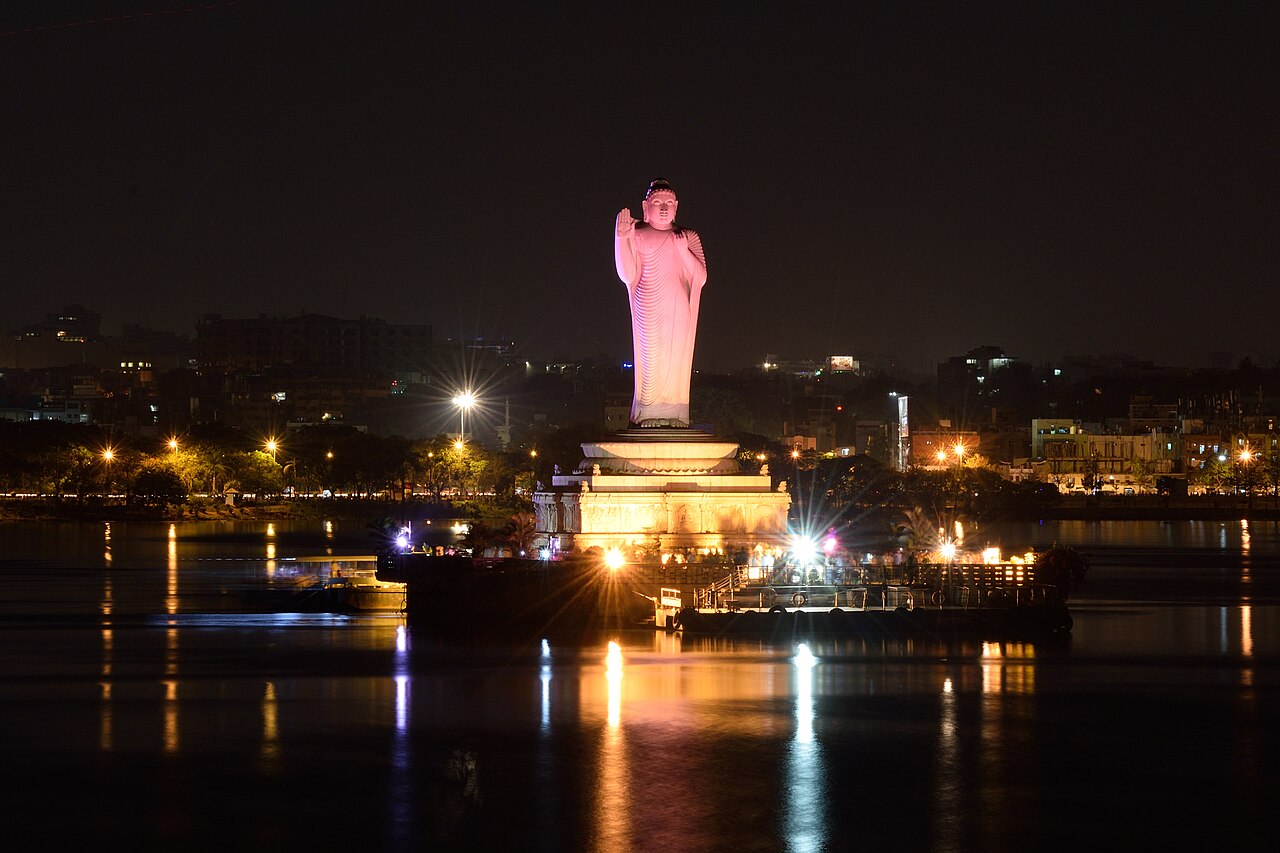
నగరం నడిబొడ్డున ఉన్న హుస్సేన్ సాగర్ను 1562లో ఇబ్రహీం కులీ కుతుబ్షా కాలంలో హుస్సేన్ షా వలీ నిర్మించారు. ఇది హైదరాబాద్, సికింద్రాబాద్ జంట నగరాలను కలిపే సరస్సు. ఇప్పుడు దాని మధ్యలో ఉన్న బుద్ధ విగ్రహం నగరానికి గుర్తు.
1908 వరద — ఒక గుణపాఠం
1908 సెప్టెంబర్ 28న కుండపోత వర్షాలకు మూసీ నది పొంగిపొర్లింది. వేలాది మంది ప్రాణాలు కోల్పోయారు, వేలాది ఇళ్లు కొట్టుకుపోయాయి. అఫ్జల్గంజ్ ప్రాంతంలోని ఒక చింతచెట్టు ఎక్కి వందమందికి పైగా ప్రాణాలు దక్కించుకున్నారని చెబుతారు — ఆ చెట్టు ఇప్పటికీ ఉస్మానియా ఆసుపత్రి ప్రాంగణంలో ఉంది. ఈ విపత్తు తర్వాత నిజాం ప్రభుత్వం ప్రఖ్యాత ఇంజినీర్ సర్ ఎం. విశ్వేశ్వరయ్య సలహా తీసుకుంది. ఆయన సూచనలతో మూసీ, ఈసీ నదులపై ఉస్మాన్ సాగర్ (గండిపేట), హిమాయత్ సాగర్ జలాశయాలు నిర్మించారు. ఇవి వరదలను అడ్డుకోవడమే కాక, దశాబ్దాలపాటు నగరానికి తాగునీరు అందించాయి.
చెరువులు ఎలా మాయమయ్యాయి?
నగరం వేగంగా విస్తరించిన క్రమంలో చెరువుల పూర్తి నీటి మట్టం (ఎఫ్టీఎల్), బఫర్ జోన్లలో ఇళ్లు, అపార్ట్మెంట్లు, వాణిజ్య భవనాలు వెలిశాయి. చెరువులను కలిపే కాలువలు (నాలాలు) ఆక్రమణకు గురై, కుంచించుకుపోయాయి లేదా పూర్తిగా మూసుకుపోయాయి. మురుగునీరు, పారిశ్రామిక వ్యర్థాలు, చెత్త చెరువుల్లోకి చేరాయి. కొన్ని చెరువులు కాగితాల్లో మాత్రమే మిగిలాయి.
2020 వరదలు — మరో హెచ్చరిక
2020 అక్టోబర్లో కురిసిన భారీ వర్షాలకు హైదరాబాద్లోని చాలా కాలనీలు నీట మునిగాయి. కొన్ని ప్రాంతాల్లో రోజుల తరబడి నీరు నిలిచింది. ప్రాణనష్టం, ఆస్తినష్టం జరిగింది. ఎక్కువగా ప్రభావితమైన ప్రాంతాలు గతంలో చెరువుల ఎఫ్టీఎల్, నాలాల వెంట ఉన్నవేనని నిపుణులు గుర్తించారు. నీటికి దారి ఇవ్వకపోతే, అది తన దారి తానే వెతుక్కుంటుందని ఈ వరదలు మరోసారి చెప్పాయి.
హైడ్రా — కొత్త ప్రయత్నం
2024లో తెలంగాణ ప్రభుత్వం "హైడ్రా" (హైదరాబాద్ డిజాస్టర్ రెస్పాన్స్ అండ్ అసెట్స్ ప్రొటెక్షన్ ఏజెన్సీ)ని ఏర్పాటు చేసింది. చెరువులు, ప్రభుత్వ భూముల ఆక్రమణలను తొలగించడం, విపత్తు సమయాల్లో సహాయక చర్యలు దీని బాధ్యతలు. ఎఫ్టీఎల్ పరిధిలోని పలు నిర్మాణాల కూల్చివేతలు వార్తల్లో నిలిచాయి. ఒకవైపు చెరువుల రక్షణకు ఇది అవసరమని పర్యావరణవేత్తలు స్వాగతిస్తే, మరోవైపు అనుమతులతో ఇళ్లు కొన్న సామాన్యులకు నష్టం జరుగుతోందని, చర్యల్లో పారదర్శకత ఉండాలని బాధితులు, ప్రతిపక్షాలు ప్రశ్నిస్తున్నాయి.
ఆశాకిరణాలు
అమీన్పూర్ చెరువును 2016లో రాష్ట్రంలో తొలి జీవవైవిధ్య వారసత్వ ప్రదేశంగా ప్రకటించారు. వందలాది వలస పక్షులు అక్కడికి వస్తాయి. దుర్గం చెరువు చుట్టూ అభివృద్ధి, కొన్ని కాలనీల ప్రజలు స్వచ్ఛందంగా చెరువులు శుభ్రం చేయడం వంటి ఉదాహరణలు ఆశ కలిగిస్తున్నాయి.
ఇల్లు కొనే ముందు జాగ్రత్తలు
• ప్లాట్ లేదా ఫ్లాట్ చెరువు ఎఫ్టీఎల్ లేదా బఫర్ జోన్లో ఉందో లేదో అధికారిక రికార్డుల్లో తనిఖీ చేయండి.
• భవన అనుమతులు, లేఅవుట్ అనుమతులు నిజమైనవో కాదో సంబంధిత శాఖల్లో నిర్ధారించుకోండి.
• పాత ఉపగ్రహ చిత్రాలు (గూగుల్ ఎర్త్ హిస్టారికల్ ఇమేజరీ) చూస్తే గతంలో అక్కడ నీరు ఉందో లేదో తెలుస్తుంది.
• వర్షాకాలంలో ఆ ప్రాంతం ఎలా ఉంటుందో స్థానికులను అడగండి.
ముగింపు
చెరువులు హైదరాబాద్ ఊపిరితిత్తులు, వరదల నుంచి రక్షణ కవచం. వాటిని కాపాడుకోవడం ప్రభుత్వ బాధ్యత మాత్రమే కాదు; ప్రతి పౌరుడి బాధ్యత.
ఫోటో: Nikhilb239 / Wikimedia Commons (CC BY-SA 4.0)
Hyderabad's lost lakes: Encroachment, floods and the fight to save them
During the Qutub Shahis and Asaf Jahis, Hyderabad was known as the "City of Tanks". Hundreds of tanks built on the Deccan Plateau to catch rainwater provided drinking water, irrigation water, and cooling for the city. A chain system of canals, where the excess water flowed from one tank to another when it was full, also controlled floods. But in the last few decades, many of these tanks have disappeared or shrunk.
Ponds in history
Hussain Sagar, located in the heart of the city, was built by Hussain Shah Wali in 1562 during the reign of Ibrahim Quli Qutub Shah. It is a lake that connects the twin cities of Hyderabad and Secunderabad. The Buddha statue in its middle is now a symbol of the city.
The 1908 Flood — A Lesson
On September 28, 1908, the Musi River overflowed its banks due to torrential rains. Thousands of people lost their lives and thousands of houses were washed away. It is said that more than a hundred people saved their lives by climbing a fig tree in the Afzalganj area — that tree still stands in the Osmania Hospital premises. After this disaster, the Nizam's government took the advice of the renowned engineer Sir M. Visvesvaraya. On his advice, the Usman Sagar (Gandipet) and Himayat Sagar reservoirs were built on the Musi and Esi rivers. These not only prevented floods, but also provided drinking water to the city for decades.
How did the ponds disappear?
As the city expanded rapidly, houses, apartments, and commercial buildings sprang up in the buffer zones of the tanks, above their full water level (FTL). The canals (nalas) connecting the tanks were encroached upon, shrunk, or completely blocked. Sewage, industrial waste, and garbage entered the tanks. Some tanks remained only on paper.
2020 floods — another warning
Heavy rains in October 2020 submerged many colonies in Hyderabad. In some areas, water remained for days. There was loss of life and property. Experts have identified that the most affected areas were along the FTLs and drains of tanks in the past. These floods have once again shown that if water is not given a path, it will find its own way.
Hydra — A New Attempt
In 2024, the Telangana government set up "HYDRA" (Hyderabad Disaster Response and Assets Protection Agency). Its responsibilities include clearing ponds, removing encroachments on government lands, and providing relief during disasters. The demolition of several structures within the FTL area has been in the news. On the one hand, environmentalists have welcomed this as necessary for the protection of ponds, but on the other hand, victims and opposition parties have questioned the need for transparency in the actions and the harm it is causing to the common man who bought houses with permits.
Rays of hope
Ameenpur Lake was declared the first biodiversity heritage site in the state in 2016. Hundreds of migratory birds flock there. Development around Durgam Lake and people from some colonies volunteering to clean the lakes are promising examples.
Precautions before buying a house
• Check in official records whether the plot or flat pond is within the FTL or buffer zone.
• Check with the relevant departments to ensure that building permits and layout permits are genuine.
• Looking at old satellite images (Google Earth Historical Imagery) will reveal whether there was water there in the past.
• Ask locals what the area is like during the rainy season.
Conclusion
Tanks are the lungs of Hyderabad, a shield against floods. Protecting them is not just the responsibility of the government; it is the responsibility of every citizen.
Photo: Nikhilb239 / Wikimedia Commons (CC BY-SA 4.0)