రాజకీయాలు
బీజేపీలో మోదీ యుగం: 2014 నుంచి కీలక నిర్ణయాలు
జన్ ధన్, జీఎస్టీ, నోట్ల రద్దు, ఆర్టికల్ 370, వ్యవసాయ చట్టాలు, మూడు సార్వత్రిక ఎన్నికలు — దశాబ్దాన్ని నిర్వచించిన నిర్ణయాల కాలరేఖ.
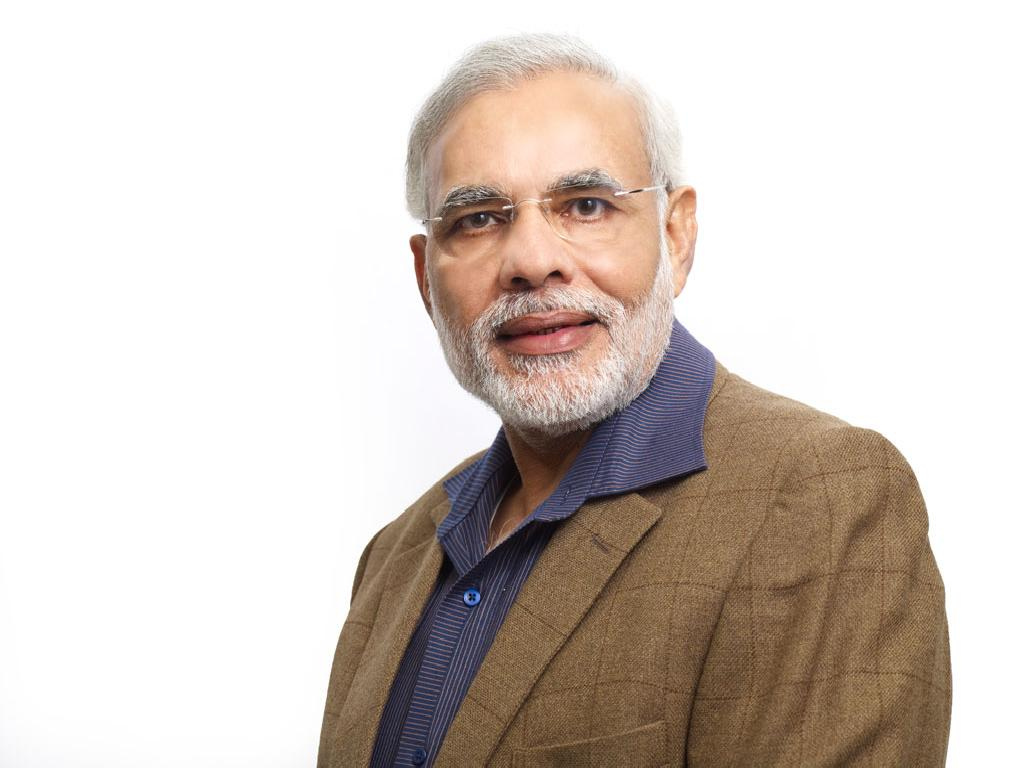
2014 మే 26న నరేంద్ర మోదీ దేశ 15వ ప్రధానిగా ప్రమాణం చేశారు. అప్పటి నుంచి వరుసగా మూడు లోక్సభ ఎన్నికల్లో బీజేపీ నాయకత్వంలోని ఎన్డీఏ అధికారంలోకి వచ్చింది. ఈ కాలంలో తీసుకున్న ముఖ్య నిర్ణయాలు, వాటిపై జరిగిన చర్చలను కాలక్రమంలో, సమతుల్యంగా చూద్దాం.
2014–2016: ఆర్థిక చేరిక, స్వచ్ఛత
• జన్ ధన్ యోజన (2014): కోట్లాది మందికి జీరో బ్యాలెన్స్ బ్యాంకు ఖాతాలు. తర్వాత ప్రభుత్వ సబ్సిడీలను నేరుగా ఖాతాల్లోకి పంపే "డీబీటీ" వ్యవస్థకు ఇది పునాది అయింది.
• స్వచ్ఛ భారత్ (2014): బహిరంగ మలవిసర్జన నిర్మూలనకు కోట్లాది మరుగుదొడ్ల నిర్మాణం.
• ఉజ్వల (2016): పేద మహిళలకు ఉచిత గ్యాస్ కనెక్షన్లు. అయితే రీఫిల్ ధరలు ఎక్కువై కొందరు మళ్లీ కట్టెల పొయ్యికి మళ్లారన్న నివేదికలూ వచ్చాయి.
2016: నోట్ల రద్దు
2016 నవంబర్ 8 రాత్రి ₹500, ₹1000 నోట్లను రద్దు చేస్తున్నట్లు ప్రధాని ప్రకటించారు. నల్లధనం, నకిలీ నోట్లు, ఉగ్రవాద నిధులను అరికట్టడం లక్ష్యమని ప్రభుత్వం చెప్పింది. బ్యాంకుల వద్ద పొడవైన క్యూలు, చిన్న వ్యాపారాలపై ప్రభావం తీవ్ర విమర్శలకు దారితీశాయి. రద్దైన నోట్లలో దాదాపు అన్నీ తిరిగి బ్యాంకులకు చేరాయని రిజర్వ్ బ్యాంక్ తర్వాత వెల్లడించింది. డిజిటల్ చెల్లింపుల వేగం మాత్రం పెరిగింది.
2017: జీఎస్టీ
2017 జూలై 1న వస్తు సేవల పన్ను (జీఎస్టీ) అమలులోకి వచ్చింది. దేశవ్యాప్తంగా ఒకే పన్ను వ్యవస్థ దిశగా ఇది పెద్ద సంస్కరణ. అయితే ప్రారంభంలో సాంకేతిక సమస్యలు, అనేక పన్ను శ్లాబులు, రాష్ట్రాలకు పరిహారం వంటి అంశాలపై చర్చ జరిగింది.
2018–2019: ఆరోగ్యం, భద్రత
• ఆయుష్మాన్ భారత్ (2018): పేద కుటుంబాలకు ఆసుపత్రి చికిత్స కోసం ఆరోగ్య బీమా.
• సర్జికల్ స్ట్రైక్స్ (2016), బాలాకోట్ వైమానిక దాడులు (2019): ఉగ్రదాడులకు ప్రతిస్పందనగా సరిహద్దు ఆవల సైనిక చర్యలు.
• 2019 ఎన్నికలు: బీజేపీ సొంతంగా 303 స్థానాలతో మరింత బలంగా తిరిగి వచ్చింది.
2019: ఆర్టికల్ 370, సీఏఏ
2019 ఆగస్టు 5న జమ్మూ–కశ్మీర్కు ప్రత్యేక హోదా కల్పించిన ఆర్టికల్ 370ని రద్దు చేసి, రాష్ట్రాన్ని రెండు కేంద్రపాలిత ప్రాంతాలుగా విభజించారు. సుప్రీంకోర్టు తర్వాత ఈ నిర్ణయాన్ని సమర్థించింది. అదే ఏడాది పౌరసత్వ సవరణ చట్టం (సీఏఏ) దేశవ్యాప్త నిరసనలకు దారితీసింది.
2020–2021: కోవిడ్, వ్యవసాయ చట్టాలు
కోవిడ్ మహమ్మారి సమయంలో దేశవ్యాప్త లాక్డౌన్, వలస కూలీల కష్టాలు, రెండో వేవ్ విషాదం దేశాన్ని కుదిపేశాయి. తర్వాత భారీ వ్యాక్సినేషన్ కార్యక్రమం చేపట్టారు. 2020లో తెచ్చిన మూడు వ్యవసాయ చట్టాలకు వ్యతిరేకంగా దిల్లీ సరిహద్దుల్లో రైతులు ఏడాదికి పైగా ఉద్యమించారు. 2021 నవంబర్లో ప్రభుత్వం ఆ చట్టాలను ఉపసంహరించుకుంది.
2023–2024: ప్రపంచ వేదిక, అయోధ్య
2023లో భారత్ జీ20 అధ్యక్షత వహించింది. చంద్రయాన్-3 విజయం దేశానికి గర్వకారణమైంది. 2024 జనవరి 22న అయోధ్య రామాలయంలో ప్రాణప్రతిష్ఠ జరిగింది. మహిళలకు చట్టసభల్లో 33% రిజర్వేషన్ కల్పించే చట్టం 2023లో ఆమోదం పొందింది (అమలు జనగణన, పునర్విభజన తర్వాత).
2024: సంకీర్ణ యుగం మళ్లీ
2024 ఎన్నికల్లో బీజేపీకి 240 స్థానాలు వచ్చాయి — సొంత మెజారిటీకి తక్కువ. టీడీపీ, జేడీయూ వంటి మిత్రపక్షాల మద్దతుతో మోదీ మూడోసారి ప్రధాని అయ్యారు. నెహ్రూ తర్వాత వరుసగా మూడుసార్లు ప్రధాని అయిన నేత ఆయనే. సంకీర్ణ భాగస్వాముల ప్రాధాన్యం పెరగడం ఆంధ్రప్రదేశ్ వంటి రాష్ట్రాలకు బేరమాడే శక్తిని ఇచ్చింది.
రెండు వైపులా వాదనలు
మద్దతుదారులు: మౌలిక వసతుల విస్తరణ, డిజిటల్ ఇండియా, సంక్షేమ పథకాల నేరుగా బదిలీ, బలమైన నాయకత్వం, ప్రపంచంలో భారత్ ప్రతిష్ఠ పెరగడం. విమర్శకులు: నిరుద్యోగం, ధరల పెరుగుదల, రాజ్యాంగ సంస్థల స్వతంత్రతపై ప్రశ్నలు, మత ధ్రువీకరణ, సమాఖ్య వ్యవస్థలో రాష్ట్రాల హక్కులు.
ముగింపు
మోదీ యుగం భారత రాజకీయాల్లో బీజేపీని కేంద్రబిందువుగా మార్చింది. ఈ దశాబ్దపు నిర్ణయాలు దేశాన్ని దీర్ఘకాలం ప్రభావితం చేస్తాయి. వాటిని ఎలా చూడాలన్నది ప్రతి పౌరుడి విచక్షణ. చరిత్ర తన తీర్పును కాలక్రమంలో ఇస్తుంది.
ఫోటో: Narendra Modi / Wikimedia Commons (CC BY 2.0)
The Modi era of the BJP: Key decisions since 2014
Narendra Modi was sworn in as the 15th Prime Minister of the country on May 26, 2014. Since then, the BJP-led NDA has come to power in three consecutive Lok Sabha elections. Let us look at the key decisions taken during this period and the discussions that took place on them in a chronological and balanced manner.
2014–2016: Financial inclusion, cleanliness
• Jan Dhan Yojana (2014): Zero balance bank accounts for crores of people. This later became the foundation for the "DBT" system, which transfers government subsidies directly into accounts.
• Swachh Bharat (2014): Construction of crores of toilets to eliminate open defecation.
• Ujjwala (2016): Free gas connections for poor women. However, there were reports that some people returned to wood-burning stoves due to high refill prices.
2016: Demonetization
On the night of November 8, 2016, the Prime Minister announced the demonetization of ₹500 and ₹1000 notes. The government said the aim was to curb black money, fake notes and terror funding. Long queues at banks and the impact on small businesses led to severe criticism. The Reserve Bank later revealed that almost all of the demonetized notes had been returned to banks. However, the pace of digital payments has increased.
2017: GST
The Goods and Services Tax (GST) came into effect on July 1, 2017. It was a major reform towards a single tax system across the country. However, initially there were discussions on issues like technical issues, multiple tax slabs, and compensation for states.
2018–2019: Health and Safety
• Ayushman Bharat (2018): Health insurance for hospital treatment for poor families.
• Surgical Strikes (2016), Balakot Airstrikes (2019): Military actions across the border in response to terrorist attacks.
• 2019 elections: BJP returned stronger with 303 seats on its own.
2019: Article 370, CAA
On August 5, 2019, Article 370, which gave special status to Jammu and Kashmir, was abrogated and the state was bifurcated into two Union Territories. The Supreme Court later upheld the decision. The Citizenship Amendment Act (CAA) that same year led to nationwide protests.
2020–2021: COVID, agricultural laws
During the Covid pandemic, the nationwide lockdown, the plight of migrant workers, and the second wave of tragedy shook the country. Then a massive vaccination campaign was undertaken. Farmers protested for more than a year on the borders of Delhi against three agricultural laws brought in in 2020. The government withdrew those laws in November 2021.
2023–2024: World Forum, Ayodhya
India chaired the G20 in 2023. The success of Chandrayaan-3 made the country proud. The Prana Pratishtha was held at the Ayodhya Ram Temple on 22 January 2024. The law providing 33% reservation for women in the legislatures was passed in 2023 (to be implemented after census and delimitation).
2024: The coalition era returns
In the 2024 elections, the BJP won 240 seats — short of its own majority. With the support of allies like the TDP and JDU, Modi became the Prime Minister for the third time. He is the first leader after Nehru to serve three consecutive terms as Prime Minister. The increasing importance of coalition partners has given bargaining power to states like Andhra Pradesh.
Arguments on both sides
Supporters: Infrastructure expansion, Digital India, direct transfer of welfare schemes, strong leadership, increasing India's prestige in the world. Critics: Unemployment, rising prices, questions on the independence of constitutional institutions, religious certification, rights of states in a federal system.
Conclusion
The Modi era has made the BJP the centerpiece of Indian politics. The decisions of this decade will affect the country for a long time. It is up to each citizen to decide how to view them. History will give its verdict in due course.
Photo: Narendra Modi / Wikimedia Commons (CC BY 2.0)