
ఆంధ్రప్రదేశ్
అమరావతి: ఆంధ్రప్రదేశ్ రాజధాని కథ ఇప్పటివరకు
29 గ్రామాల నుంచి భూసమీకరణ, ఘనమైన శంకుస్థాపన, మూడు రాజధానుల మలుపు, ఏళ్ల తరబడి రైతుల ఉద్యమం, 2024 తర్వాత పునఃప్రారంభం.
2014లో రాష్ట్ర విభజన తర్వాత ఆంధ్రప్రదేశ్ ముందున్న అతిపెద్ద ప్రశ్న — "మన రాజధాని ఎక్కడ?" హైదరాబాద్ పదేళ్లు ఉమ్మడి రాజధానిగా ఉన్నా, కొత్త రాష్ట్రానికి సొంత రాజధాని నిర్మించుకోవాల్సిందే. ఆ ప్రశ్నకు సమాధానంగా వచ్చిన అమరావతి కథ ఎన్నో మలుపులు తిరిగింది.
ఎంపిక (2014)
రాజధాని ఎంపిక కోసం కేంద్రం నియమించిన శివరామకృష్ణన్ కమిటీ పలు ప్రత్యామ్నాయాలను పరిశీలించింది. అప్పటి ముఖ్యమంత్రి చంద్రబాబు నాయుడు ప్రభుత్వం గుంటూరు జిల్లాలో కృష్ణా నది ఒడ్డున, విజయవాడ–గుంటూరు మధ్య ప్రాంతాన్ని ఎంపిక చేసింది. రాష్ట్రానికి మధ్యలో ఉండటం, నదీ తీరం, చారిత్రక ప్రాధాన్యం దీనికి కారణాలుగా చెప్పారు. శాతవాహనుల కాలం నాటి బౌద్ధ క్షేత్రం "అమరావతి" పేరునే రాజధానికి పెట్టారు.
భూసమీకరణ — దేశానికే నమూనా
భూసేకరణకు బదులు "ల్యాండ్ పూలింగ్" పద్ధతిని ఎంచుకున్నారు. 29 గ్రామాల రైతులు సుమారు 33 వేల ఎకరాలకు పైగా భూమిని స్వచ్ఛందంగా ప్రభుత్వానికి ఇచ్చారు. బదులుగా అభివృద్ధి చేసిన ప్లాట్లు, ఏటా కౌలు, ఇతర ప్రయోజనాలు ఇస్తామని ప్రభుత్వం ఒప్పందం చేసుకుంది. ఇంత పెద్ద స్థాయిలో రైతులు స్వచ్ఛందంగా భూమి ఇవ్వడం దేశంలోనే అరుదు.
శంకుస్థాపన (2015)
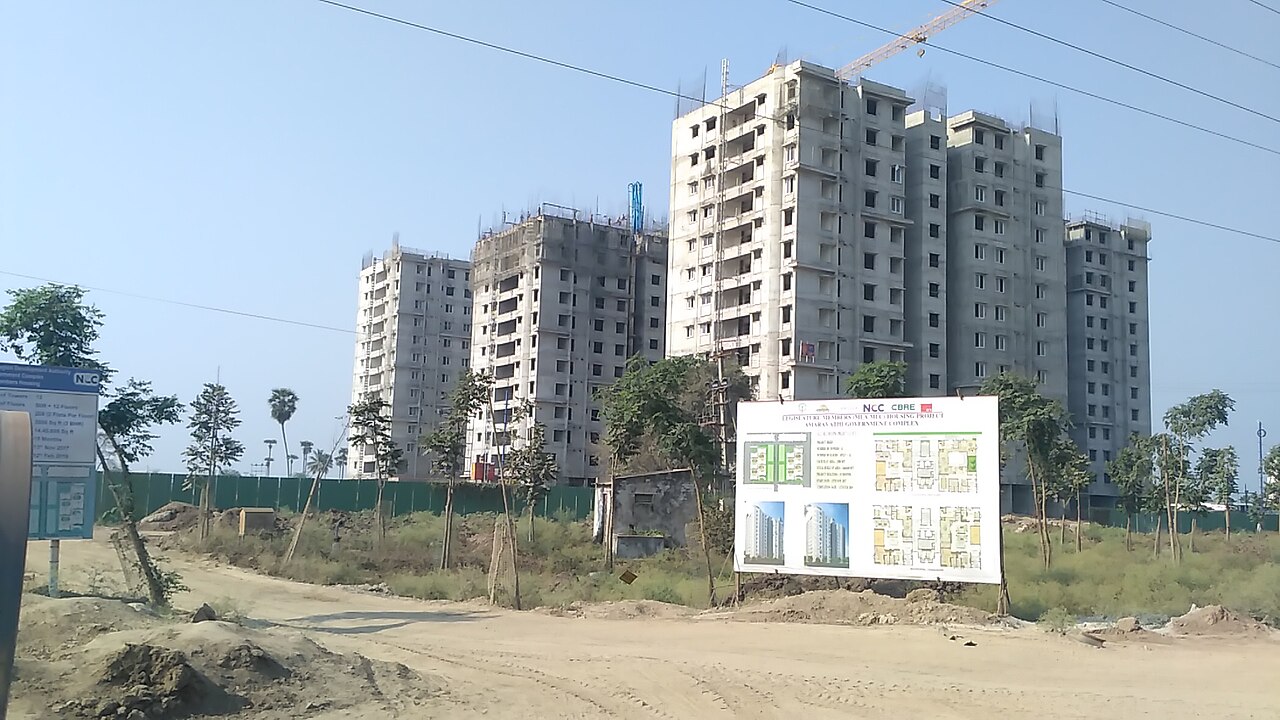
2015 అక్టోబర్ 22న ప్రధాని నరేంద్ర మోదీ అమరావతికి శంకుస్థాపన చేశారు. దేశంలోని పుణ్యక్షేత్రాల మట్టి, నదుల నీటిని తెచ్చి శంకుస్థాపనలో ఉపయోగించారు. సింగపూర్ సంస్థలు మాస్టర్ ప్లాన్ రూపొందించాయి. తాత్కాలిక సచివాలయం, శాసనసభ, హైకోర్టు భవనాలు నిర్మించారు. రోడ్లు, ప్రభుత్వ ఉద్యోగుల నివాస భవనాల పనులు మొదలయ్యాయి.
మూడు రాజధానుల మలుపు (2019)
2019లో అధికారంలోకి వచ్చిన వైఎస్ఆర్సీపీ ప్రభుత్వం "అభివృద్ధి వికేంద్రీకరణ" పేరుతో మూడు రాజధానుల ప్రతిపాదన తెచ్చింది — విశాఖపట్నం కార్యనిర్వాహక రాజధాని, అమరావతి శాసన రాజధాని, కర్నూలు న్యాయ రాజధాని. ఒకే ప్రాంతంలో భారీ పెట్టుబడి పెట్టడం కంటే అన్ని ప్రాంతాలకు అభివృద్ధి పంచాలనేది ఆ ప్రభుత్వ వాదన. అమరావతిలో నిర్మాణ పనులు దాదాపు నిలిచిపోయాయి.
రైతుల ఉద్యమం
భూములిచ్చిన రైతులు ఈ నిర్ణయాన్ని తీవ్రంగా వ్యతిరేకించారు. తమతో చేసుకున్న ఒప్పందాన్ని ప్రభుత్వం ఉల్లంఘిస్తోందని, తమ జీవితాలు అనిశ్చితిలో పడ్డాయని ఆవేదన వ్యక్తం చేశారు. "అమరావతి రైతుల ఉద్యమం" వందలాది రోజులు కొనసాగింది. మహిళలు ముందుండి దీక్షలు, పాదయాత్రలు చేశారు — అమరావతి నుంచి తిరుపతి వరకు, అమరావతి నుంచి అరసవల్లి వరకు యాత్రలు జరిగాయి. ఈ అంశంపై న్యాయపోరాటం కూడా జరిగింది. రాష్ట్ర హైకోర్టు 2022లో అమరావతిని ఒప్పందం ప్రకారం అభివృద్ధి చేయాలని తీర్పు ఇచ్చింది. తర్వాత ప్రభుత్వం మూడు రాజధానుల చట్టాన్ని ఉపసంహరించుకుంది, అయితే వికేంద్రీకరణ వైఖరిని కొనసాగించింది.
2024 — పునఃప్రారంభం
2024 ఎన్నికల్లో టీడీపీ–జనసేన–బీజేపీ కూటమి గెలవడంతో అమరావతి మళ్లీ ప్రాధాన్యం పొందింది. "అమరావతే ఏకైక రాజధాని" అని కొత్త ప్రభుత్వం ప్రకటించింది. కేంద్ర బడ్జెట్లో అంతర్జాతీయ ఆర్థిక సంస్థల ద్వారా రుణ సహాయానికి కేంద్రం మద్దతు ప్రకటించింది. ప్రపంచ బ్యాంకు, ఆసియా అభివృద్ధి బ్యాంకు వంటి సంస్థల నుంచి నిధుల సమీకరణ జరిగింది. నిలిచిపోయిన పనులు పునఃప్రారంభమయ్యాయి.
ముందున్న సవాళ్లు
• నిధులు: ఒక కొత్త నగరాన్ని పూర్తిగా నిర్మించడానికి భారీ నిధులు అవసరం.
• పెట్టుబడిదారుల నమ్మకం: విధానాలు మారతాయనే భయం పోవాలి — రాజకీయ ఏకాభిప్రాయం అవసరం.
• ఆర్థిక కార్యకలాపాలు: ప్రభుత్వ భవనాలు మాత్రమే కాదు, ఉద్యోగాలు ఇచ్చే పరిశ్రమలు, విద్యా సంస్థలు, ఆసుపత్రులు రావాలి.
• వరద భద్రత: కృష్ణా నది ఒడ్డున ఉండటం వల్ల వరద నిర్వహణ ప్రణాళికలు కీలకం.
• ప్రాంతీయ సమతుల్యం: ఉత్తరాంధ్ర, రాయలసీమ అభివృద్ధి ఆకాంక్షలను కూడా గౌరవించాలి.
ముగింపు
అమరావతి కథ ఒక రాజధాని కథ మాత్రమే కాదు — భూమిని నమ్మకంతో ఇచ్చిన రైతుల కథ, రాజకీయ నిర్ణయాలు ప్రజల జీవితాలను ఎలా ప్రభావితం చేస్తాయో చెప్పే కథ. ప్రభుత్వాలు మారినా విధాన స్థిరత్వం ఉండాలనేదే ఈ కథ చెప్పే అసలు పాఠం.
ఫోటో: IM3847 / Wikimedia Commons (CC BY-SA 4.0)
Amaravati: The story of Andhra Pradesh's capital so far
The biggest question facing Andhra Pradesh after the bifurcation of the state in 2014 — "Where is our capital?" Even though Hyderabad was the joint capital for ten years, the new state had to build its own capital. The story of Amaravati, which came as an answer to that question, has taken many twists and turns.
Choice (2014)
The Sivaramakrishnan Committee appointed by the Centre to select the capital examined several alternatives. The then Chief Minister Chandrababu Naidu government selected the area between Vijayawada and Guntur on the banks of the Krishna river in Guntur district. The reasons for this were its location in the middle of the state, the river bank and historical importance. The capital was named after the Buddhist site of the Satavahana period, "Amaravati".
Land consolidation — a model for the country
Instead of land acquisition, the "land pooling" method was chosen. Farmers from 29 villages voluntarily gave over 33,000 acres of land to the government. In return, the government agreed to provide developed plots, annual rent, and other benefits. Such a large-scale voluntary donation of land by farmers is rare in the country.
Groundbreaking (2015)
On October 22, 2015, Prime Minister Narendra Modi laid the foundation stone for Amaravati. Soil from shrines and river water from across the country were used in the foundation stone laying. Singaporean companies prepared the master plan. The temporary secretariat, legislative assembly, and high court buildings were constructed. Work on roads and residential buildings for government employees has begun.
The Turn of the Three Capitals (2019)
The YSRCP government, which came to power in 2019, proposed three capitals under the banner of "development decentralization" — Visakhapatnam as the executive capital, Amaravati as the legislative capital, and Kurnool as the judicial capital. The government's argument was to spread development across all regions rather than investing heavily in one area. Construction work in Amaravati has almost come to a standstill.
Farmers' movement
The farmers who had been given the lands strongly opposed this decision. They expressed their grief that the government was violating the agreement made with them and that their lives were in uncertainty. The "Amaravati Farmers' Movement" continued for hundreds of days. Women led the agitations and marches — marches were held from Amaravati to Tirupati, from Amaravati to Arasavalli. There was also a legal battle on this issue. The state High Court ruled in 2022 that Amaravati should be developed as per the agreement. Later, the government withdrew the Three Capitals Act, but continued its stance of decentralization.
2024 — Reopening
Amaravati regained prominence after the TDP-Jana Sena-BJP alliance won the 2024 elections. The new government announced that "Amaravati is the only capital". The Center announced support for loan assistance through international financial institutions in the Union Budget. Funds were raised from institutions like the World Bank and the Asian Development Bank. Stalled works were resumed.
Challenges ahead
• Funding: Huge funds are required to fully build a new city.
• Investor confidence: Fear of policy change must go away — political consensus is needed.
• Economic activities: Not just government buildings, but also industries, educational institutions, and hospitals that provide jobs should come up.
• Flood safety: Being on the banks of the Krishna River, flood management plans are crucial.
• Regional balance: The development aspirations of Uttarandhra and Rayalaseema should also be respected.
Conclusion
The story of Amaravati is not just a story of a capital city — it is a story of farmers who gave their land in trust, a story of how political decisions affect people's lives. The real lesson of this story is that there should be policy stability even when governments change.
Photo: IM3847 / Wikimedia Commons (CC BY-SA 4.0)