
సినిమా
దూరదర్శన్ నుంచి ఓటీటీ వరకు: తెలుగు టీవీ ప్రయాణం
ఒకే చానల్, మేడపై యాంటెనా, 1990ల శాటిలైట్ విప్లవం, 24 గంటల వార్తలు, ఇప్పుడు తెలుగు ఓటీటీ — నాలుగు దశాబ్దాల తెలుగు టీవీ.
1980ల్లో ఆదివారం సాయంత్రం అంటే తెలుగు ఇళ్లలో ఒక ప్రత్యేక దృశ్యం. ఊరంతా టీవీ ఉన్న ఒక్క ఇంటి ముందు చేరేది. మేడపై యాంటెనాను ఎవరో ఒకరు తిప్పుతుంటే, కింద నుంచి "ఇప్పుడు బాగా వచ్చింది!" అని అరుపులు. ఆ రోజుల నుంచి ఈ రోజు ఫోన్లోనే ఓటీటీ సినిమాలు చూసే వరకు తెలుగు టీవీ ప్రయాణం ఆసక్తికరం.
దూరదర్శన్ యుగం
1970ల చివర్లో హైదరాబాద్ దూరదర్శన్ కేంద్రం ప్రారంభమైంది. మొదట్లో కొన్ని గంటలు మాత్రమే ప్రసారాలు. వార్తలు, వ్యవసాయ కార్యక్రమాలు, ఆదివారం తెలుగు సినిమా, చిత్రలహరి వంటి పాటల కార్యక్రమాలు ప్రజాదరణ పొందాయి. 1982 ఆసియా క్రీడల సమయంలో కలర్ టీవీ ప్రసారాలు మొదలయ్యాయి. రామాయణం, మహాభారతం వంటి జాతీయ సీరియల్స్ ప్రసారమయ్యే సమయంలో వీధులు ఖాళీ అయ్యేవి. టీవీ కొనడం అప్పట్లో ఒక హోదా చిహ్నం.
శాటిలైట్ విప్లవం (1990లు)
1991 ఆర్థిక సంస్కరణలు, గల్ఫ్ యుద్ధం సమయంలో వచ్చిన అంతర్జాతీయ చానళ్లు భారత టీవీ రంగాన్ని మార్చేశాయి. కేబుల్ ఆపరేటర్లు గల్లీ గల్లీలో వైర్లు లాగారు. 1990ల మధ్యలో తెలుగులో ప్రైవేట్ శాటిలైట్ చానళ్లు వచ్చాయి. రామోజీ గ్రూప్ "ఈటీవీ", సన్ గ్రూప్ "జెమిని టీవీ" వంటి చానళ్లు తెలుగు వినోద రంగాన్ని పూర్తిగా మార్చాయి. రోజువారీ సీరియల్స్, రియాలిటీ షోలు, సినిమా ఆధారిత కార్యక్రమాలు ఇంటింటా చేరాయి. తర్వాత మా టీవీ, జీ తెలుగు వంటి చానళ్లు పోటీలోకి వచ్చాయి.
సీరియల్స్ సంస్కృతి
రాత్రి ఏడు గంటల నుంచి పది గంటల వరకు తెలుగు ఇళ్లలో సీరియల్స్ సమయం. అత్తా–కోడళ్ల కథలు, కుటుంబ నాటకాలు వందలాది ఎపిసోడ్లు నడిచాయి. చాలామంది నటీనటులు, దర్శకులు టీవీ నుంచి సినిమాలకు ఎదిగారు. పాటల పోటీలు, డాన్స్ షోలు, క్విజ్ కార్యక్రమాలు కొత్త ప్రతిభను వెలికితీశాయి.
24 గంటల వార్తా చానళ్లు (2000లు)
2000ల్లో తెలుగులో 24 గంటల వార్తా చానళ్లు వరుసగా వచ్చాయి. బ్రేకింగ్ న్యూస్, లైవ్ చర్చలు, స్టింగ్ ఆపరేషన్లు రాజకీయాలను, సమాజాన్ని ప్రభావితం చేశాయి. తెలంగాణ ఉద్యమం, రాష్ట్ర విభజన వంటి సంఘటనల సమయంలో వార్తా చానళ్ల పాత్ర చాలా పెద్దది. అయితే పార్టీలకు అనుబంధమైన చానళ్లు, సంచలనాత్మక వార్తలు, టీఆర్పీ రేసు వంటి విమర్శలూ వచ్చాయి.
డీటీహెచ్, డిజిటలైజేషన్
2000ల చివర్లో డైరెక్ట్-టు-హోమ్ (డీటీహెచ్) సేవలు గ్రామాలకు కూడా వందలాది చానళ్లను చేర్చాయి. కేబుల్ డిజిటలైజేషన్ తప్పనిసరి అయింది. చిత్ర నాణ్యత పెరిగింది, హెచ్డీ చానళ్లు వచ్చాయి.
ఓటీటీ యుగం (2016 నుంచి)
జియో తెచ్చిన చౌక డేటా తర్వాత వీడియో వినియోగం విపరీతంగా పెరిగింది. నెట్ఫ్లిక్స్, అమెజాన్ ప్రైమ్, హాట్స్టార్ వంటి ఓటీటీ వేదికలు తెలుగు సినిమాలు, వెబ్ సిరీస్ల హక్కుల కోసం పోటీ పడ్డాయి. 2020లో తెలుగు కంటెంట్కు మాత్రమే అంకితమైన ఓటీటీ వేదిక "ఆహా" ప్రారంభమైంది. కోవిడ్ లాక్డౌన్ సమయంలో థియేటర్లు మూతపడటంతో కొన్ని తెలుగు సినిమాలు నేరుగా ఓటీటీలో విడుదలయ్యాయి. తెలుగు వెబ్ సిరీస్లు కొత్త కథనాలు, కొత్త నటులకు అవకాశాలు ఇచ్చాయి.
యూట్యూబ్ — అందరికీ ఒక చానల్
ఇప్పుడు ఒక స్మార్ట్ఫోన్ ఉన్న ఎవరైనా తమ సొంత "చానల్" నడపవచ్చు. వంటల నుంచి వ్యవసాయ సలహాల వరకు, కామెడీ నుంచి స్టడీ మెటీరియల్ వరకు తెలుగు యూట్యూబ్ చానళ్లు లక్షలాది వ్యూస్ సంపాదిస్తున్నాయి. గ్రామీణ యూట్యూబర్లు కూడా తమ ప్రతిభతో ఆదాయం సంపాదిస్తున్నారు.
ముగింపు
మేడపై యాంటెనా నుంచి జేబులోని ఫోన్ వరకు — తెలుగు టీవీ ప్రయాణం సాంకేతికత ఎంత వేగంగా మారుతుందో చూపిస్తుంది. ఎన్ని వేదికలు మారినా, మంచి కథకు, నిజమైన వార్తకు తెలుగు ప్రేక్షకులు ఎప్పుడూ పట్టం కడతారు.
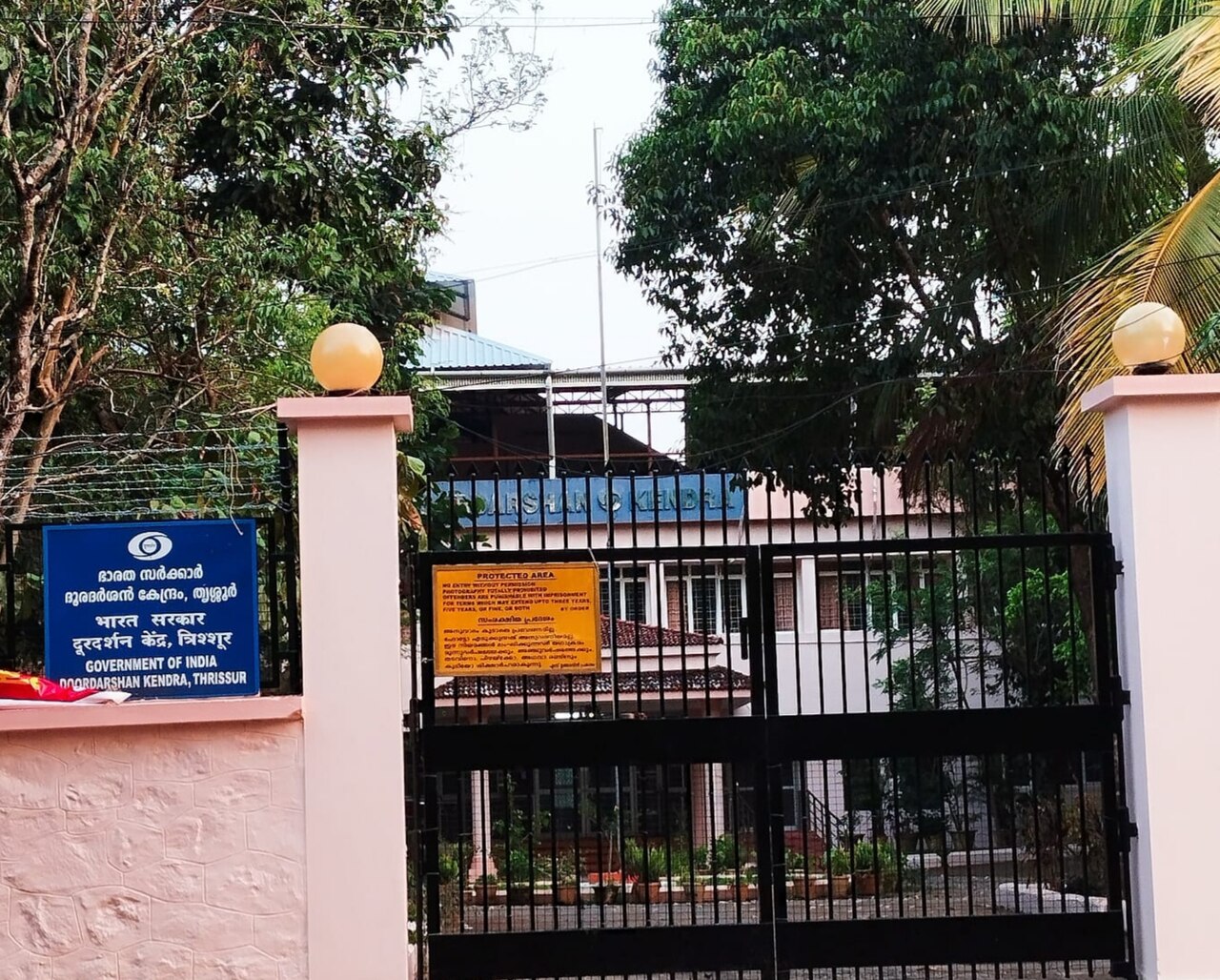
ఫోటో: Krishnachandranvn / Wikimedia Commons (CC0)
From Doordarshan to OTT: How Telugu people watch TV
Sunday evenings in the 1980s were a special scene in Telugu homes. The entire village would gather in front of a single house with a TV. As someone on the rooftop turned the antenna, shouts would be heard from below, "Now it's good!" From those days to today, the journey of Telugu TV to watching OTT movies on your phone is interesting.
The era of Doordarshan
The Hyderabad Doordarshan Kendra was started in the late 1970s. Initially, it broadcasted for only a few hours. News, agricultural programs, Sunday Telugu cinema, and song programs like Chitralahari became popular. Color TV broadcasts began during the 1982 Asian Games. The streets would be empty when national serials like Ramayana and Mahabharata were broadcast. Buying a TV was a status symbol at that time.
Satellite revolution (1990s)
The 1991 economic reforms and the arrival of international channels during the Gulf War changed the Indian TV sector. Cable operators laid wires in every nook and cranny. Private satellite channels came into existence in Telugu in the mid-1990s. Channels like Ramoji Group's "ETV" and Sun Group's "Gemini TV" completely changed the Telugu entertainment sector. Daily serials, reality shows, and movie-based programs reached every household. Later, channels like Maa TV and Zee Telugu entered the competition.
Serials culture
Serials are the time in Telugu homes from seven to ten in the evening. Stories of in-laws and daughters-in-law, family dramas have run for hundreds of episodes. Many actors and directors have risen from TV to films. Singing competitions, dance shows, and quiz shows have brought out new talent.
24-hour news channels (2000s)
In the 2000s, 24-hour news channels came into being in Telugu. Breaking news, live discussions, and sting operations influenced politics and society. News channels played a huge role during events like the Telangana movement and the bifurcation of the state. However, there were also criticisms of channels affiliated with parties, sensational news, and TRP races.
DTH, digitalization
In the late 2000s, direct-to-home (DTH) services brought hundreds of channels to villages. Cable digitization became mandatory. Picture quality improved, and HD channels became available.
OTT era (since 2016)
Video consumption has increased exponentially after the cheap data brought by Jio. OTT platforms like Netflix, Amazon Prime, and Hotstar competed for the rights of Telugu movies and web series. In 2020, an OTT platform dedicated only to Telugu content, "Aha", was launched. As theaters were closed during the Covid lockdown, some Telugu movies were released directly on OTT. Telugu web series have given new stories and opportunities to new actors.
YouTube — A channel for everyone
Now anyone with a smartphone can run their own "channel". From cooking to farming tips, from comedy to study material, Telugu YouTube channels are garnering millions of views. Even rural YouTubers are earning an income from their talent.
Conclusion
From the antenna on the roof to the phone in your pocket — the journey of Telugu TV shows how fast technology is changing. No matter how many platforms change, Telugu audiences will always be loyal to a good story and real news.
Photo: Krishnachandranvn / Wikimedia Commons (CC0)